



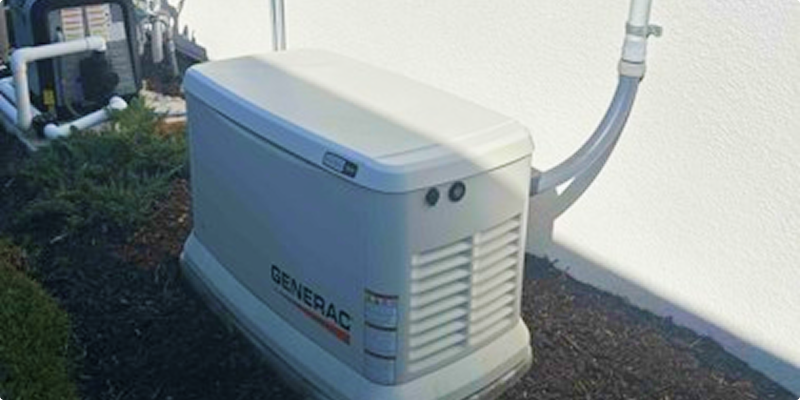
All About Generators — Answers to Top Questions
Living in Florida means dealing with an uncomfortable reality: power outages happen, and they happen often. Hurricane season brings devastating storms that knock out electricity for days or even weeks. Beyond the dramatic weather events, aging grid infrastructure and surging demand during peak cooling seasons can leave homes in the dark when you need power most.
Home generators in Florida aren’t just convenient—they’re essential for maintaining safety, comfort, and protecting your property during extended outages. When temperatures soar and refrigerated food spoils within hours, or when medical equipment requires continuous power, a reliable backup generator becomes a lifeline.
Many Florida homeowners recognize the need for backup power but feel overwhelmed by the technical decisions involved. What size generator actually powers your home? Which fuel type makes the most sense for your situation? Where should it be installed, and how do you ensure safe operation?
This guide from the electrical experts at Best Home Services answers the most critical questions about home generators, helping you make informed decisions about protecting your family and property when the grid fails.
1. What Size Generator Do I Need?
Determining the right generator size for your Florida home starts with creating a detailed inventory of what you need to power during an outage. Walk through your home and list every essential appliance and circuit you want operational—think air conditioning, refrigerator, well pump, medical equipment, lighting, and security systems.
Understanding Wattage Calculations
To calculate wattage for each appliance, use this simple formula: watts = volts x amps. Check the nameplate on each device for voltage and amperage ratings. Most household appliances run on 120V or 240V circuits. For example, a refrigerator drawing 6 amps at 120 volts requires 720 watts to operate.
Typical Power Requirements
For a standard 2,000 square foot Florida home, expect these general guidelines:
- 11 kW generator: Powers essential circuits including refrigeration, select lighting, fans, and critical outlets
- 16-20 kW generator: Adds one AC unit, more lighting, and additional appliances
- 22-25 kW generator: Provides true whole-home coverage with multiple AC units, all appliances, and full lighting
Why Sizing Matters
Choosing the correct capacity protects your investment and home. An undersized unit causes voltage drops that damage sensitive electronics and motors. Oversizing wastes money on unnecessary capacity and higher fuel consumption. Professional load calculations ensure your generator matches your actual needs while maintaining safe, efficient operation during Florida’s unpredictable storm season.
2. What About Fuel Options?
Selecting the right fuel type for your generator impacts everything from operating costs to reliability during emergencies. Florida homeowners typically choose between natural gas, liquid propane, or gasoline/diesel options, each with distinct advantages and limitations worth considering.
Natural Gas Generators
Natural gas stands out as one of the most convenient fuel options for residential generators in Florida. Connected directly to your home’s existing gas line, these systems eliminate the need for fuel storage or refilling concerns.
Advantages of Natural Gas:
- Cost-effective operation – Natural gas typically costs less per unit compared to other fuel types, reducing long-term operating expenses
- Zero tank maintenance – Pipeline delivery means you’ll never worry about monitoring fuel levels or scheduling refills
- Unlimited fuel supply – As long as the gas line remains intact, your generator can run indefinitely without interruption
- Cleaner burning – Produces fewer emissions compared to gasoline or diesel alternatives
Drawbacks to Consider:
- Pipeline dependency – Major hurricanes or natural disasters can damage gas infrastructure, cutting off your fuel supply when you need it most
- Geographic limitations – Not all Florida properties have access to natural gas lines, particularly in rural areas
- Installation requirements – Requires professional gas line installation if your home isn’t already equipped
Liquid Propane (LP) Generators
Liquid propane offers an excellent alternative for homeowners seeking fuel independence. Stored in tanks on your property, LP provides reliable backup power without relying on external infrastructure.
Benefits of Propane Systems:
- On-site fuel storage – Your fuel supply stays accessible even when utilities fail
- Extended shelf life – Propane remains stable for years without degradation, unlike gasoline
- Infrastructure independence – No reliance on pipelines that could be damaged during storms
- Versatile tank sizing – Choose tank capacity based on your anticipated usage needs
Potential Downsides:
- Higher fuel costs – Propane typically runs more expensive than natural gas per BTU
- Tank maintenance – Requires periodic inspections and occasional refilling
- Space requirements – Propane tanks need adequate clearance and proper placement
Gasoline and Diesel Portable Generators
Gasoline and diesel fuel power most portable generator units, making them popular choices for Florida homeowners seeking temporary backup solutions. These fuel options offer distinct characteristics that affect their practicality during power outages.
Gasoline generators provide the most accessible fuel option since gas stations are widespread throughout Florida. They’re typically less expensive to purchase upfront and work well for short-term power needs. The main drawback centers on storage challenges—gasoline degrades within 3-6 months without stabilizers, creating potential engine problems. During widespread storm damage, gas stations may lose power or run out of fuel quickly, leaving homeowners scrambling for supplies when they need them most.
Diesel generators deliver better fuel efficiency and longer engine life compared to gasoline models. Diesel fuel stores more safely than gasoline with a lower flammability risk. However, diesel units cost more initially and produce louder operation. Both fuel types require careful outdoor storage in approved containers, creating fire hazards if mishandled.
Runtime Limitations
The runtime limitations present another consideration—portable units typically run 8-12 hours per tank, requiring frequent refueling during extended outages common after Florida hurricanes. This manual refueling process means waking up in the middle of the night to keep power flowing, unlike automated standby systems.
3. Where Should I Install My Generator
Outdoor Installation Requirements
All standby generators must be installed outdoors in weather-resistant enclosures. Florida’s humid climate and frequent storms demand durable housing that can withstand rain, wind, and salt air exposure. The generator should sit on a concrete pad to prevent shifting during operation and flooding during heavy rains.
Position your unit close to your home’s utility connections and transfer switch to minimize wiring runs and installation costs. Most manufacturers recommend placing the generator at least 5 feet from windows, doors, and air intake vents to prevent exhaust fumes from entering your home.
Ventilation and Noise Considerations
Proper airflow around the generator prevents overheating and ensures safe exhaust dispersion. Leave adequate clearance on all sides—typically 18-36 inches depending on your model’s specifications. Consider how operational noise affects your household and neighbors. Strategic placement away from bedroom windows and property lines helps maintain good relationships while meeting your power needs.
Code Compliance is Non-Negotiable
Florida building codes and local ordinances dictate specific requirements for generator installation location. These regulations cover setback distances from property lines, fuel line specifications, and electrical connections. Homeowners associations may impose additional restrictions on placement and enclosure appearance. Licensed professionals from Best Home Services understand these requirements and ensure your installation passes inspection the first time.
4. Pros and Cons of Whole Home vs Portable Generators
Whole-Home Standby Generators Pros and Cons
Advantages of Standby Systems:
- Automatic operation: kicks in within 10-15 seconds of detecting a power loss—no manual intervention needed when you’re away from home or sleeping
- Powers hardwired systems like central air conditioning, well pumps, security systems, and garage door openers without risky extension cord setups
- Extended runtime capability allows operation for days or weeks during major storms, with natural gas or propane fuel sources requiring no manual refilling
- Seamless integration with your home’s electrical panel through a transfer switch prevents dangerous backfeeding
- Weather-resistant construction designed specifically for Florida’s humid, storm-prone climate
Drawbacks to Consider:
- Higher upfront investment ranging from $3,000 to $15,000+ depending on capacity and fuel type
- Required professional installation adds labor costs but ensures code compliance and safety
- Ongoing maintenance expenses for annual servicing and potential repairs
- Permanent footprint on your property requires dedicated space and proper placement
Portable Generators Pros and Cons
Benefits of Portable Units:
- Lower initial cost–between $500-$2,000–makes them accessible for budget-conscious homeowners
- Mobility allows use at different locations, from tailgating to camping trips
- No installation fees since they’re plug-and-play devices
- Storage flexibility when not in use
Limitations:
- manual startup required means you must be home to activate the unit during outages
- Limited wattage capacity (typically 1,000-8,000W) restricts which appliances can run simultaneously
- Extension cord dependency creates tripping hazards and limits placement options
- Frequent refueling needed every 8-12 hours during operation
5. How Do I Use My Home Generator Safely?
Generator safety in Florida homes requires attention to several critical hazards that can turn a helpful backup power source into a dangerous liability. Understanding these risks and taking proper precautions protects your family, your property, and utility workers in your community.
1. Carbon Monoxide Poisoning
Generators produce deadly carbon monoxide gas that’s colorless and odorless. Never operate a generator indoors, in garages, or near windows and doors where exhaust can enter your home. Even outdoor placement requires careful consideration—position the unit at least 20 feet from your house with the exhaust directed away from living spaces. Install battery-operated CO detectors throughout your home as an additional safety measure.
2. Electrical Backfeeding Dangers
Connecting a generator directly to your home’s wiring without a proper transfer switch creates a backfeeding situation where electricity flows back into utility lines. This poses a fatal risk to utility workers attempting to restore power in your neighborhood. A licensed electrician like the team at Best Home Services must install an approved transfer switch to isolate your home’s electrical system from the grid during generator operation.
3. Fuel Storage Hazards
Gasoline and diesel fuel require careful handling and storage away from living areas in approved containers. These fuels degrade over time and present fire risks, especially in Florida’s heat. Store only the amount you’ll use within a few months and add fuel stabilizers to extend shelf life.
4. Regular Maintenance Requirements
Generators need routine professional servicing to operate safely when you need them most. Oil changes, filter replacements, battery checks, and system tests prevent malfunctions that could leave you without power or create dangerous operating conditions during an outage.
6. Do I Really Need a Generator for My Florida Home?
Whether Florida homeowners need a generator or not depends largely on your specific situation and how much risk you’re willing to take. Florida’s weather patterns and old infrastructure create conditions that make power outages more than just an inconvenience.
Key factors to consider when deciding:
- Outage frequency in your area – Coastal regions and areas with older grid infrastructure experience more frequent disruptions during hurricane season and summer thunderstorms
- Duration of typical outages – Some neighborhoods lose power for hours, while others may go days or weeks without electricity after major storms
- Medical needs – Homes with residents requiring powered medical equipment, refrigerated medications, or climate control for health conditions
- Home office requirements – Remote workers who depend on reliable power for income
- Property protection – Sump pumps, security systems, and climate control preventing mold growth in Florida’s humid climate
Benefits of uninterrupted power supply
The advantages extend beyond basic comfort. A generator keeps refrigerators running to prevent food spoilage, maintains air conditioning during Florida’s oppressive heat, powers well pumps for water access, and keeps communication devices charged for emergency updates. For many homeowners, calculating how much power their home needs to function safely reveals that essential systems draw more electricity than expected.
The upfront investment in a home generator balances against the cumulative costs of spoiled food, temporary housing during extended outages, and potential property damage from lack of climate control or security systems.
Why You Should Hire Experts for Generator Installation and Maintenance
When it comes to installing a generator in your Florida home, it’s important to prioritize safety and avoid cutting corners. Hiring licensed electricians like the team at Best Home Services who have specialized knowledge and experience in this field can help prevent potential hazards and costly mistakes.
What Licensed Professionals Handle:
- Transfer switch setup – Ensures seamless power switching without dangerous backfeeding into utility lines
- Fuel line connections – Properly installs natural gas or propane lines meeting all safety codes
- Load calculations – Accurately determines your home’s power requirements to prevent overloading
- Permit acquisition – Navigates local building codes and inspection requirements
- Electrical compliance – Guarantees all wiring meets National Electrical Code standards
Why Professional Generator Maintenance Matters:
Your generator sits idle most of the year, waiting for that critical moment when storms knock out power. Routine professional generator maintenance with Best Home Services keeps your system ready to perform when you need it most. Licensed technicians inspect fuel systems, test battery health, verify automatic transfer switches, and identify potential issues before they become failures.
DIY installations might seem cost-effective initially, but improper setup risks carbon monoxide exposure, electrical fires, equipment damage, and voided warranties. Insurance companies may also deny claims related to unpermitted or improperly installed generators.
Ready to protect your Florida home with reliable backup power? Contact the licensed electricians at Best Home Services who specialize in generator installation and maintenance to ensure your system operates safely and efficiently during the next power outage.
