



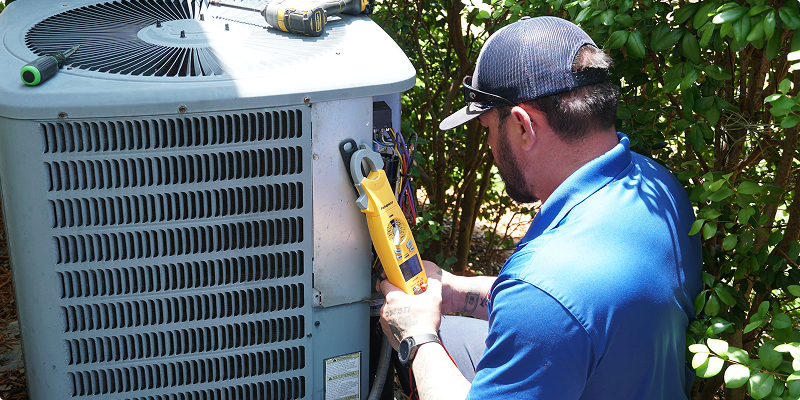
Your HVAC system works tirelessly to maintain a comfortable home environment, making regular maintenance essential for both your wallet and well-being. A well-maintained HVAC system can slash utility bills, prevent costly repairs, and create a healthier living space for your family.
Did you know? Simple maintenance tasks can reduce your energy costs by up to 30% while extending your system’s lifespan.
A properly functioning HVAC system:
- Maintains optimal indoor air quality
- Reduces allergens and airborne particles
- Creates consistent temperature zones
- Prevents excess humidity issues
- Lowers monthly utility expenses
This guide from the HVAC team at Best Home Services reveals practical, budget-friendly HVAC maintenance tips you can implement right away. You’ll learn essential techniques for:
- Cleaning and replacing filters effectively
- Maintaining clean ducts and vents
- Optimizing thermostat settings
- Improving home insulation
- Scheduling professional inspections
By following these proven maintenance strategies, you’ll protect your HVAC investment while creating a more comfortable, energy-efficient home environment.
1. Cleaning or Replacing Filters
Clean HVAC filters are essential for maintaining the efficiency of your heating and cooling system. They act as a barrier, preventing dust, allergens, and other debris from entering your home while also protecting your system from potential damage.
A well-maintained filter can reduce your energy costs by 5-15% and prolong the lifespan of your HVAC system. Here’s why clean filters matter:
- Improved Indoor Air Quality: Clean filters prevent dust, pet dander, and other allergens from circulating in your home, promoting a healthier living environment.
- Reduced Strain on Your System: When filters are clogged with dirt and debris, your HVAC system has to work harder to push air through. This increased strain can lead to mechanical issues and a shorter lifespan for your equipment.
- Consistent Airflow: Clean filters ensure that air flows freely throughout your home, maintaining comfortable temperatures in every room.
- Lower Energy Bills: By keeping your system running efficiently, clean filters can help lower your monthly energy bills.
DIY Filter Replacement Steps
Replacing filters is a simple task that you can do yourself. Follow these steps:
- Turn off your HVAC system to ensure safety during the process.
- Locate the filter compartment in your system. This is usually found near the air handler or furnace.
- Note the size of the filter and the direction in which it should be installed (indicated by arrows on the filter).
- Carefully remove the old filter from its compartment.
- Insert the new filter into the compartment, making sure to follow the directional arrows.
- Close the compartment securely to prevent any air leaks.
Safety Tips
When handling filters, it’s important to prioritize safety. Here are some tips to keep in mind:
- Wear gloves and a dust mask to protect yourself from allergens and dust particles.
- Avoid bending or damaging the filter during removal and installation.
- Double-check the orientation of the filter before closing the compartment to ensure proper airflow.
- Dispose of old filters in sealed bags to prevent any dust or allergens from escaping.
Recommended Replacement Schedule
To maintain optimal performance, it’s essential to replace filters regularly. Here’s a general guideline for when to replace different types of filters:
- Basic 1-inch filters: Every 1-3 months
- High-end pleated filters: Every 6-12 months
- Homes with pets: Monthly replacement
- During peak seasons (summer and winter): Check filters every 2-4 weeks
The Cost of Neglecting Filter Maintenance
Ignoring filter maintenance can have a significant impact on both your energy bills and the lifespan of your HVAC system. A clogged filter forces your system to work harder, resulting in increased energy consumption.
On average, this extra strain can add $20-50 to your monthly energy bill. By investing just a few minutes each month into cleaning or replacing your filters, you can offset this cost and enjoy long-term savings on your energy expenses.
Remember, regular filter maintenance is a small task that yields big rewards – improved efficiency, reduced energy consumption, and ultimately lower utility bills!
2. Keeping Ducts and Vents Clean
Clean ducts and vents play a vital role in maintaining your HVAC system’s efficiency. Dust, debris, and allergens accumulating in your ductwork can:
- Restrict airflow by up to 40%
- Increase energy consumption
- Circulate pollutants throughout your home
- Trigger allergies and respiratory issues
- Create unpleasant odors
DIY Duct Maintenance Options:
- Remove and clean visible vent covers with warm soapy water
- Vacuum vent openings with a hose attachment
- Wipe accessible ductwork with a damp microfiber cloth
- Change air filters regularly to prevent debris buildup
When to Call Professional Duct Cleaners:
- Every 3-5 years for routine maintenance
- After home renovation projects
- Following water damage or mold discovery
- When moving into a new home
- If you notice visible mold or debris coming from vents
Best Home Services’ professional duct cleaning services use specialized equipment to reach deep into your ductwork, removing built-up contaminants that DIY methods can’t reach. This thorough cleaning can improve your HVAC system’s efficiency by 25-40%, resulting in lower energy bills and cleaner indoor air.
Expected Benefits After Professional Cleaning:
- Reduced energy costs
- Improved airflow
- Enhanced indoor air quality
- Extended HVAC system lifespan
- Fewer allergy symptoms
- Elimination of musty odors
3. Optimizing Thermostat Settings
Smart temperature management can slash your energy bills while maintaining home comfort. Here’s how to set your thermostat for maximum savings:
Recommended Temperature Settings:
- Summer: 78°F when you’re home
- Winter: 68°F during occupied hours
- Night/Away: Adjust 7-10°F from your standard settings
These small adjustments can reduce your energy costs by 10-15% annually.
Smart Thermostat Benefits:
- Automatic temperature adjustments based on your schedule
- Remote control via smartphone apps
- Energy usage reports and optimization suggestions
- Learning capabilities to adapt to your preferences
- Integration with other smart home devices
A programmable or smart thermostat takes the guesswork out of temperature management. These devices create customized schedules that align with your daily routines:
- Wake-up time: Comfortable temperatures as you start your day
- Work hours: Energy-saving mode while the house is empty
- Evening: Return to comfort settings before you get home
- Bedtime: Optimal sleeping temperatures
Many utility companies offer rebates for smart thermostat installations, making them an even more attractive investment. The device typically pays for itself within two years through reduced energy costs.
4. Ensuring Proper Insulation
Think of insulation as your home’s cozy blanket — it creates a protective barrier that keeps conditioned air inside while blocking unwanted outdoor temperatures. Proper insulation dramatically reduces your HVAC system’s workload, leading to significant energy savings throughout the year.
Key Areas for Home Insulation:
- Attic spaces
- Exterior walls
- Floors over crawl spaces
- Basement walls
- Around doors and windows
- Ductwork in unconditioned spaces
Popular Insulation Materials:
Fiberglass
- Most common and cost-effective
- Available in batts or loose-fill
- R-value of 2.2-3.8 per inch
Cellulose
- Made from recycled paper products
- Excellent for retrofitting existing walls
- R-value of 3.1-3.8 per inch
Spray Foam
- Creates an air-tight seal
- Higher initial cost but superior performance
- R-value of 3.5-6.5 per inch
A well-insulated home can reduce heating and cooling costs by 15-20%. Professional energy audits can identify areas where insulation needs improvement. Adding insulation in key areas creates a more consistent indoor temperature, reduces cold spots, and prevents your HVAC system from working overtime to maintain comfort levels.
Signs your home needs better insulation include high energy bills, rooms that feel too hot or cold, and drafty areas near windows or doors. Upgrading your insulation is a one-time investment that pays dividends through reduced energy costs and improved home comfort.
5. Scheduling Regular HVAC Inspections
Regular professional HVAC inspections from Best Home Services are your best defense against expensive system breakdowns. A certified technician can identify subtle signs of wear and tear that might go unnoticed during routine DIY maintenance.
Key inspection benefits include:
- Detection of refrigerant leaks and electrical issues
- Performance testing of crucial components
- Calibration of thermostats and controls
- Assessment of motor function and belt tension
- Evaluation of heat exchanger integrity
Professional inspections should occur twice a year — typically in spring and fall. These strategic timing points allow technicians to prepare your system for the demanding summer and winter seasons.
What technicians check during inspections:
- Electrical connections and voltage levels
- Moving parts that require lubrication
- Condensate drain functionality
- Air filter condition and replacement needs
- Thermostat accuracy and programming
The data speaks for itself — homes with regular HVAC inspections report up to 30% lower energy bills and significantly fewer emergency repairs. These routine checks help maintain optimal system efficiency while extending your equipment’s lifespan by several years.
The Importance of Professional Help for Florida Homeowners
Florida’s unique climate demands special attention to HVAC systems. While DIY maintenance can save money, knowing when to call professionals is crucial for system longevity and efficiency.
DIY-Friendly Tasks:
- Changing air filters monthly
- Cleaning visible dust from vents
- Programming your thermostat
- Basic insulation maintenance
- Keeping outdoor units clear of debris
Professional Service Requirements:
- Deep duct cleaning and sanitization
- Electrical component repairs
- Refrigerant handling and recharging
- Complex system diagnostics
- Annual comprehensive inspections
Warning Signs to Call a Professional:
- Unusual sounds or odors
- Inconsistent cooling or heating
- Sudden spike in energy bills
- Water leaks around the unit
- System short cycling
The high humidity and heat in Florida can accelerate HVAC wear and tear. Best Home Services’ professional HVAC technicians have specialized tools and expertise to handle complex issues safely and effectively. Regular professional maintenance is a small investment compared to major repairs or full system replacement.
Conclusion
Your HVAC system is a vital investment in your home’s comfort and your family’s well-being. These affordable maintenance strategies can lead to significant long-term savings while creating a healthier living environment.
Start implementing these money-saving tips today:
- Replace or clean filters regularly
- Keep ducts and vents debris-free
- Set smart thermostat schedules
- Check insulation quality
- Schedule professional inspections
The combination of DIY maintenance and professional expertise ensures your HVAC system runs efficiently year-round. By taking these proactive steps, you’re not just saving money – you’re investing in your home’s comfort and your family’s health. Make these HVAC maintenance practices part of your regular home care routine to enjoy consistent comfort and reduced utility bills throughout the seasons.
If you’re experiencing any HVAC issues or are overdue for an inspection, give Best Home Services a call or book an appointment online today.
