



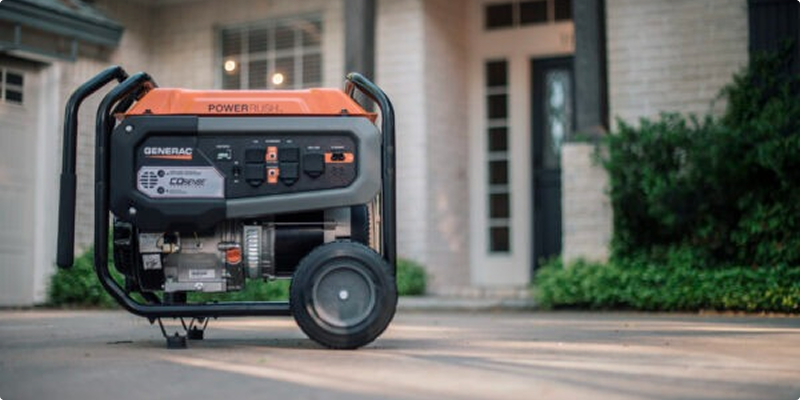
Hurricane season is in full swing. Are you ready for a long power outage? A generator interlock kit can make all the difference in keeping your home safe and comfortable during a severe weather event. This guide from the electrical professionals at Best Home Services will walk you through everything you need to know about these powerful little devices.
Understanding Generator Interlock Kits
A generator interlock kit is a safety device installed directly on your home’s electrical panel. It works as a manual transfer device that physically blocks your main breaker and generator breaker from being on at the same time. This simple but effective mechanism serves a critical purpose: it prevents back-feeding electricity into utility lines during outages.
Back-feeding happens when electricity from your generator flows backward into power lines. This creates a serious hazard for utility workers who might be repairing those lines, thinking they’re de-energized. The electricity can travel through transformers and be stepped up to thousands of volts, potentially causing severe injury or death to workers.
Unlike complex transfer switches, an interlock kit is straightforward. It typically consists of a metal or plastic plate that mounts over your electrical panel’s breakers. When positioned correctly, it makes it physically impossible to have both the main breaker and generator breaker on simultaneously.
How a Generator Interlock Kit Works
The operation of an interlock kit follows a simple principle. When you need to switch to generator power, you first turn off your main breaker. The interlock plate then allows you to slide it into position to access your generator breaker. Once the main breaker is off and locked in that position, you can turn on the generator breaker.
This mechanical blocking system ensures only one power source can feed your home at any time. Most kits come with clear labels and instructions to minimize mistakes during operation. The design is intentionally simple, making it easier to use during stressful emergency situations when power is out.
One important point to remember is that your portable generator has power limits. You’ll need to be selective about which circuits you turn on. Start with essential items like refrigerators, some lights, and heating systems before adding other appliances.
Benefits of Installing a Generator Interlock Kit
There are several key advantages to having a generator interlock kit installed in your home:
Safety First
The primary benefit is safety. By preventing back-feeding, you protect not just utility workers but also your family, neighbors, and electrical system. Without proper isolation between your generator and the grid, you risk creating dangerous situations and potential liability issues.
Convenient Power Management
With an interlock kit, you can power entire rooms or specific circuits rather than just individual appliances. This means no more running extension cords through windows or doors, which can create tripping hazards and weather sealing problems during storms.
Cost-Effective Solution
Compared to automatic transfer switches or whole-house generators, interlock kits are much more affordable. Installation typically costs a few hundred dollars, while providing similar functionality for powering essential circuits during outages.
Code Compliance
Most local electrical codes require some form of transfer equipment when connecting a generator to your home’s wiring. An interlock kit meets these requirements when properly installed, keeping you compliant with building regulations.
Using Your Generator Interlock Kit
Using your interlock kit during a power outage follows a specific procedure for safety. When the power goes out, first turn off all branch circuits in your panel. Then turn off the main breaker and slide the interlock plate to allow access to the generator breaker.
Start your generator outside (never in an enclosed space), connect it properly, and then turn on the generator breaker. Once generator power is flowing to your panel, you can selectively turn on circuits one at a time, being careful not to exceed your generator’s capacity.
When utility power returns, reverse the process. Turn off all branch circuits, turn off the generator breaker, and slide the interlock plate back to its normal position. Then you can turn on the main breaker and gradually restore power to your circuits.
Professional Installation Matters
While interlock kits themselves are simple devices, their installation requires professional expertise. A licensed electrician like the pros at Best Home Services will ensure the kit is compatible with your specific electrical panel, properly installed, and meets all local code requirements.
Don’t wait for a storm—having a generator interlock kit installed before you need it ensures you’re prepared for unexpected power outages. The peace of mind alone is worth the investment, knowing you can safely power your home during emergencies.
Safety Benefits and Regulatory Compliance
A generator interlock kit offers critical protection for utility workers. When a power outage occurs, line workers are often out repairing damaged power lines. Without an interlock kit, electricity from your generator can flow backward into these supposedly “dead” power lines. This backfeed can be deadly, as your generator’s electricity can travel through transformers and be stepped up to thousands of volts.
Your family’s safety is equally important. The interlock mechanism makes it physically impossible to have both your main breaker and generator breaker on at the same time. This simple mechanical design prevents dangerous situations where power from two different sources could flow into your home simultaneously, potentially causing electrical fires or damaging your appliances.
Speaking of appliances, an interlock kit helps protect your valuable electronics. During power restoration, sudden surges can damage sensitive equipment. The proper switching procedure with an interlock kit creates a clean break between power sources, reducing the risk of damaging power fluctuations.
Most areas require some form of transfer equipment to legally connect a generator to your home’s wiring. An interlock kit meets the National Electrical Code (NEC) requirements when properly installed. Many homeowners don’t realize that improper generator connections can violate local building codes and potentially void insurance coverage if an electrical fire occurs.
Quality interlock kits carry UL (Underwriters Laboratories) listings or other recognized safety certifications. These ratings ensure the device has been tested and meets established safety standards. When shopping for an interlock kit, always verify it has the appropriate safety certifications for your peace of mind. The professional electricians at Best Home Services can provide expert guidance to help you find the right kit for your home.
Step-by-Step Operation During a Power Outage
When the power goes out, follow a specific sequence to safely use your generator interlock kit. First, turn off the main circuit breaker completely. This step disconnects your home from the utility grid and is essential for safety. Next, turn off all branch circuits in your electrical panel to prevent overloading your generator when power is restored.
After disconnecting from the grid, adjust the interlock plate according to your specific model’s instructions. This typically involves sliding the plate up or down to allow access to the generator breaker. The interlock design ensures you cannot turn on the generator breaker without first turning off the main breaker.
Start your portable generator following the manufacturer’s guidelines. Place it outdoors in a well-ventilated area at least 20 feet from doors and windows to prevent carbon monoxide poisoning. Connect the generator to your home using the appropriate power cord and inlet.
Once your generator is running smoothly, flip the generator breaker to the ON position. Now you can selectively turn on branch circuits one at a time. Start with essential appliances like refrigerators and some lighting before adding other devices. Allow each appliance to start and stabilize before turning on the next circuit.
Avoid turning on all circuits at once, as this can overload your generator. Most portable generators can’t power an entire house simultaneously. By turning on circuits gradually, you prevent the generator from shutting down due to excessive load and protect the generator from damage.
Appliance and Circuit Management with an Interlock Kit
With an interlock kit installed, you gain the ability to power entire rooms rather than just individual appliances. This means you can keep your refrigerator, some lights, and even AC systems running during an outage. The key is understanding your generator’s capacity and planning accordingly.
Load planning
Load planning starts with knowing your generator’s wattage rating. A typical 5,000-watt generator can run a refrigerator, furnace fan, some lights, and perhaps a microwave or small appliance. However, high-demand appliances like electric water heaters, clothes dryers, or central air conditioning often exceed what most portable generators can handle.
Prioritize essential systems
Prioritize circuits that power essential systems first. Your refrigerator prevents food spoilage, while heating systems may be crucial during winter outages. Medical equipment should always take priority if someone in your home depends on powered devices.
Clear labeling
Clear labeling on your electrical panel makes power management much easier during an outage. Take time to identify and mark each circuit with what it controls. This simple step eliminates guesswork when you need to quickly restore power to important areas of your home.
Smart usage
Smart usage techniques can maximize your generator’s effectiveness. For example, run your refrigerator for an hour, then switch to a different appliance like a space heater. This rotation lets you meet multiple needs without overloading your generator. With proper circuit management, a modest generator can provide significant comfort during extended power outages.
Generator Interlock Kits Compared to Transfer Switches
When deciding how to connect your portable generator to your home’s electrical system, you’ll likely come across two main options: generator interlock kits and transfer switches. Both serve the same basic purpose, but they differ in several important ways.
Interlock kits provide a budget-friendly solution compared to dedicated transfer switches. A typical interlock kit costs between $50 and $150, while transfer switches often run $300 to $1,000 or more. This significant price difference makes interlock kits popular for homeowners who want safety without breaking the bank.
The installation process also sets these options apart. Interlock kits work with your existing electrical panel, requiring only the addition of a generator breaker and the interlock device itself. This simpler approach usually takes a licensed electrician just 2-3 hours to complete. In contrast, transfer switches often require installing a separate sub-panel alongside your main panel, making the job more complex, time-consuming, and expensive.
One key difference is how they operate during a power outage. Interlock kits require manual operation–you’ll need to physically switch between power sources by moving the interlock plate. Transfer switches come in both manual and automatic versions. Automatic transfer switches can detect power outages and switch to generator power without you lifting a finger, but this convenience comes with a much higher price tag.
For most homes using portable generators during occasional outages, interlock kits provide the perfect balance of safety, functionality, and affordability. Transfer switches become more attractive when you have a permanent standby generator or need hands-off operation. Ask the professional electricians at Best Home Services what type of generator interlock kit is best for you.
Professional Installation Requirements
While some handy homeowners might be tempted to install an interlock kit themselves, professional installation by a licensed electrician from Best Home Services is strongly recommended and often required by local building codes. Working inside your main electrical panel involves serious safety risks that shouldn’t be underestimated.
Professional installation ensures your system meets the National Electrical Code (NEC) requirements and passes inspection by local authorities. Many areas require permits for this type of electrical work, and inspectors will check that the installation complies with all safety standards. A failed inspection could mean costly corrections or even having to remove non-compliant equipment.
Licensed electricians like the team at Best Home Services bring valuable expertise to the job. They can verify that your chosen interlock kit is compatible with your specific electrical panel, as not all kits work with all panel brands or models. They’ll also ensure proper alignment of the interlock plate – a critical safety feature that prevents backfeeding.
The installation process itself requires several precise steps: turning off power to the panel, installing the generator breaker, mounting the interlock kit, making proper wiring connections, and testing the system thoroughly. Electricians have the proper tools, training, and experience to complete these steps safely.
Many manufacturers void warranties on interlock kits installed by non-professionals. This means if something goes wrong, you could be stuck with repair costs or liability issues. Professional installation typically includes a warranty on both parts and labor, providing additional peace of mind.
Maintenance and Long-Term Considerations
Generator interlock kits require minimal maintenance compared to more complex transfer switch systems. Since they have few moving parts, they rarely fail when properly installed. However, it’s smart to check the mechanical operation of your interlock kit before each storm season to ensure the plate moves freely and locks properly.
The simplicity of interlock kits makes troubleshooting straightforward. If issues arise, they’re usually related to the generator itself rather than the interlock mechanism. This means fewer service calls and lower long-term ownership costs compared to automatic systems with electronic components that can fail.
While both solutions provide code-compliant ways to connect generators to your home, your specific needs should guide your choice. If you live in an area with frequent outages or have family members who would struggle with the manual operation of an interlock kit, the additional cost of a transfer switch might be justified. For most homeowners, however, the interlock kit provides excellent value.
Portable generator owners often find that an interlock kit meets all their needs while making the best use of their existing equipment. They can power their entire electrical panel (up to the generator’s capacity) and choose which circuits to turn on as needed, rather than being limited to a few pre-selected circuits as with some basic transfer switches.
Conclusion
When preparing for power outages, a generator interlock kit offers a safe, affordable, and code-compliant solution for connecting your portable generator to your home’s electrical system. By preventing dangerous backfeeding while allowing you to power multiple circuits, interlock kits provide flexibility during outages without requiring extensive modifications to your electrical panel.
Whether facing hurricane season or preparing for winter storms, the right backup power setup makes all the difference. Understanding the differences between interlock kits and transfer switches helps you make an informed decision based on your budget, needs, and comfort level with manual operation during emergencies.
Remember that safety should always come first when dealing with electrical systems. Professional installation ensures your interlock kit works properly and meets all relevant codes. When the lights go out, you’ll be grateful for a backup power system that’s been correctly installed and ready to use with minimal hassle. Don’t wait until severe weather is in the forecast – plan your backup power solution today so you’re prepared when you need it most. Give Best Home Services a call or book an appointment online for expert guidance on choosing and installing a generator interlock kit.
