



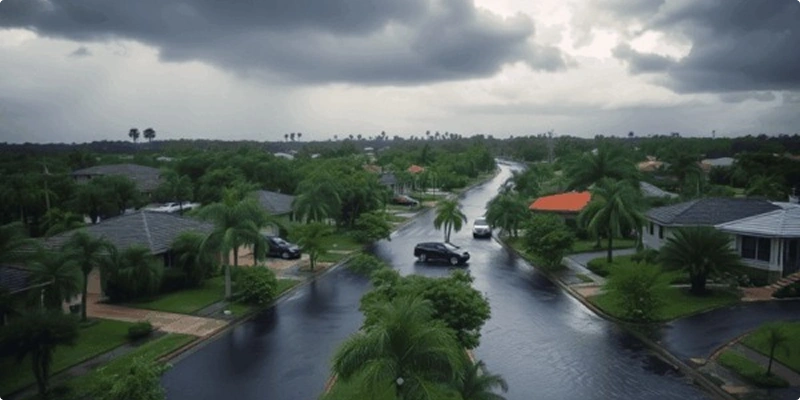
Florida’s subtropical climate brings intense rainy seasons, tropical storms, and hurricanes that create perfect conditions for widespread flooding. The state’s flat landscape and porous limestone foundation make water accumulation a constant threat, turning heavy rainfall into a homeowner’s nightmare that extends far beyond surface water damage.
Florida flooding plumbing impact reaches deep into your home’s infrastructure, affecting everything from sewer lines to water supply systems. When floodwaters rise, they don’t just damage what you can see – they infiltrate underground pipes, overwhelm municipal sewer systems, and create conditions that can compromise your plumbing for months after the water recedes.
Understanding how flooding affects your plumbing system isn’t just helpful knowledge – it’s essential for protecting your family’s health and your property investment. Contaminated water, sewer backups, and hidden pipe damage can create serious health hazards and costly repairs that many homeowners don’t anticipate.
This guide from the plumbing professionals at Best Home Services will walk you through the specific ways flooding impacts plumbing systems, help you identify warning signs, and provide actionable steps to protect your home from Florida’s unpredictable weather patterns.
Understanding Florida’s Flooding Risks
Florida’s rainy season spans from May through October, bringing intense afternoon thunderstorms and the potential for several inches of rain in just a few hours. During this period, the state receives approximately 60% of its annual precipitation, creating conditions ripe for localized flooding even on seemingly ordinary days.
The Impact of Hurricane Patterns
The hurricane patterns that affect Florida present an even greater threat to plumbing systems. The Atlantic hurricane season, running from June through November, can deliver catastrophic storm surges and sustained heavy rainfall that overwhelms drainage systems across entire regions. Coastal areas face the dual challenge of wind-driven rain and saltwater intrusion from storm surges that can push several feet of water inland.
How Heavy Rainfall Affects Infrastructure
Heavy rainfall during these weather events creates a cascading effect on Florida’s infrastructure:
- Municipal sewer systems become overwhelmed when stormwater mixes with wastewater
- Street flooding forces water to seek alternative drainage paths, often through residential plumbing
- Sustained precipitation saturates the ground, preventing proper water absorption
The Role of Geography in Flooding Risks
Florida’s unique geography amplifies these flooding risks significantly. The state’s remarkably flat landscape provides minimal natural drainage, causing water to pool and move slowly across the terrain. Most of Florida sits less than 100 feet above sea level, with many populated areas even closer to sea level.
Complications from Porous Limestone
The underlying porous limestone foundation creates additional complications. While this limestone can absorb large quantities of water, it also allows contaminants to travel quickly through the ground. When the limestone becomes saturated during heavy rains, it can no longer absorb excess water, leading to surface flooding that directly impacts residential plumbing systems through foundation seepage and increased pressure on underground pipes.
Common Plumbing Issues Caused by Flooding in Florida Homes
When floodwaters invade Florida properties, flooding plumbing problems manifest in several destructive ways that can compromise your home’s entire water system. The state’s unique environmental conditions create a perfect storm for plumbing disasters that extend far beyond simple water damage.
Sewer Backups: A Hazardous Reality
Sewer backups represent one of the most dangerous consequences of flooding. Municipal sewer systems become overwhelmed during heavy rainfall, forcing contaminated water back through floor drains, toilets, and basement fixtures. Storm surges compound this problem by pushing saltwater into coastal sewer networks, creating toxic backups that release:
- Hydrogen sulfide gas (potentially lethal in enclosed spaces)
- Disease-causing bacteria, viruses, and protozoa
- Carbon monoxide and other hazardous sewer gases
These backups can cause severe health issues including cramping, vomiting, fever, and respiratory problems, contributing to millions of illness cases nationwide each year.
Structural Pipe Damage
Flooding creates multiple pathways for damaged pipes throughout your plumbing system. Saturated soil shifts and erodes around underground pipes, causing displacement and stress fractures. Ground saturation weakens pipe joints and connections, while debris carried by floodwaters physically impacts and clogs drainage systems.
The damage often occurs gradually, with hairline cracks expanding over time as soil continues settling after flood events.
Accelerated Corrosion
Florida’s climate creates ideal conditions for pipe deterioration. Hard water minerals combine with flood-introduced contaminants to accelerate metal pipe corrosion. High humidity levels promote condensation around pipes, while dramatic temperature swings cause expansion and contraction cycles that weaken pipe walls and joints, making them vulnerable to future flood damage.
The Impact of Flood-Related Plumbing Problems on Your Home and Family
Flooding plumbing consequences go beyond just being an inconvenience. They can have far-reaching effects that endanger both your property’s structure and your family’s well-being. When floodwaters enter your plumbing system, the damage caused can silently spread throughout your home.
Structural Damage That Gets Worse Over Time
Property damage from plumbing problems caused by floods affects the weakest parts of your home:
- Foundation issues occur when saturated soil shifts around the base of your house, creating cracks that allow water to continuously seep in
- Wall damage happens as moisture seeps through drywall, causing paint to peel, wallpaper to bubble, and wooden studs to rot
- Ceiling damage shows up as water stains, sagging panels, and in severe cases, complete collapse
- Flooring destruction affects hardwood, laminate, and carpet materials that soak up contaminated water
The financial impact adds up quickly. A single sewer backup can cause $10,000 to $50,000 in damages, while structural repairs from prolonged moisture exposure often require complete room renovations.
Serious Health Risks from Contaminated Water
Health risks from sewage contamination pose immediate and long-term dangers to your family. Floodwater carries harmful germs like E. coli, hepatitis, and parasites that can cause severe stomach illnesses.
Mold growth starts within 24-48 hours after flooding occurs, releasing spores that trigger:
- Respiratory problems and asthma attacks
- Allergic reactions and skin irritation
- Headaches and fatigue
- Weakened immune system function
Children, elderly family members, and individuals with pre-existing health conditions are more susceptible to these contaminants. The combination of sewage gases and mold creates a toxic environment that can last for months if not properly cleaned up.
Identifying Plumbing Issues After Heavy Rain or Storm Surge
Recognizing plumbing problems post-flood requires homeowners to stay alert for specific warning signs that indicate their system has been compromised. Florida’s intense weather events can create subtle damage that manifests hours or even days after the initial flooding subsides.
Key Warning Signs to Watch For
- Slow-draining fixtures across multiple areas – When toilets, sinks, and tubs throughout your home drain sluggishly, this often signals blockages in your main sewer line
- Persistent foul sewage odors indoors – These smells, especially near floor drains or in basements, indicate sewage backup or damaged vent pipes
- Gurgling sounds from pipes – Unusual noises suggest air trapped in your plumbing system due to blockages or damaged pipes
- Water stains on walls or ceilings – These marks reveal hidden leaks that developed during the flood
- Discolored water – Rust-colored or murky water points to pipe corrosion or contamination
- Sudden drops in water pressure – This symptom often indicates pipe damage or significant leaks
The Critical Importance of Swift Action
Time becomes your enemy when dealing with flood-damaged plumbing. Sewage contamination spreads harmful bacteria like E. coli and releases toxic gases including hydrogen sulfide. Standing water creates ideal conditions for mold growth within 24-48 hours, while hidden leaks continue weakening your home’s structural integrity.
Delayed response to these warning signs transforms manageable repairs into costly emergencies requiring extensive remediation work.
Taking Action: DIY Steps for Minor Post-Flood Plumbing Issues
When dealing with DIY plumbing repairs after flooding, homeowners can tackle several manageable tasks to minimize water damage and prevent more serious issues from developing.
Clearing Gutters and Downspouts
Start by removing debris from your gutters and downspouts to ensure proper water flow away from your foundation. Clogged drainage systems force water to pool around your home’s base, increasing the risk of foundation damage and basement flooding.
- Remove leaves, branches, and sediment by hand or with a small garden trowel
- Flush downspouts with a garden hose to check for blockages
- Ensure downspout extensions direct water at least 6 feet away from your foundation
- Check for loose or damaged gutter sections that may need tightening
Inspecting Accessible Pipes
Examine visible plumbing in basements, crawl spaces, and utility areas for signs of damage you can address immediately:
- Look for minor leaks at pipe joints that can be tightened with a wrench
- Check for loose pipe straps or hangers that may have shifted during flooding
- Inspect exposed pipes for small cracks that can be temporarily sealed with pipe repair tape
- Test water pressure at various fixtures to identify potential blockages
Document any damage with photos for insurance purposes and monitor repaired areas closely for recurring problems that may require professional attention.
When to Call a Professional Plumber After a Flood
While minor issues can often be addressed through DIY efforts, certain flood-related plumbing problems demand professional expertise from Best Home Services. Recognizing when to escalate beyond basic maintenance protects your home from catastrophic damage and ensures your family’s safety.
Critical situations requiring immediate professional intervention include:
- Ongoing leaks that persist despite your repair attempts, especially those affecting walls, ceilings, or foundation areas
- Unresolved sewer backups where sewage continues flowing into your home or yard
- Multiple fixture failures across different areas of your house simultaneously
- Discolored or contaminated water flowing from taps, indicating potential cross-contamination
- Gas odors near water heater areas or other plumbing connections
- Structural pipe damage visible through cracks, separations, or significant corrosion
The window for effective flood damage mitigation closes rapidly. Water damage spreads exponentially within the first 24-48 hours, turning manageable repairs into extensive renovations. Sewage contamination poses immediate health risks through exposure to harmful bacteria, viruses, and toxic gases like hydrogen sulfide.
Professional plumbers from Best Home Services possess specialized equipment for sewage cleanup, pipe pressure testing, and comprehensive system diagnostics that homeowners cannot safely perform. They understand Florida’s unique soil conditions, building codes, and flood-resistant installation methods essential for long-term system reliability.
Delaying professional assessment often transforms hundreds of dollars in repairs into thousands in emergency restoration costs, making prompt action both safer and more economical.
Protecting Your Plumbing System from Severe Weather Damage
Preventive measures require strategic planning and proactive maintenance to safeguard your home’s infrastructure. Florida homeowners can implement several protective strategies that significantly reduce flood-related plumbing damage.
Essential Protective Installations
Backflow prevention valves serve as your first line of defense against sewage backups during storm surges. These devices automatically close when water attempts to flow backward through your plumbing system, preventing contaminated floodwater from entering your home. Professional installation ensures proper positioning and compliance with local building codes.
Sump pumps with battery backup systems provide crucial protection in flood-prone areas. These pumps automatically remove accumulated water from basements or crawl spaces, while battery backup ensures operation during power outages that commonly accompany severe weather events.
Pre-Hurricane Season Maintenance Checklist
Regular system inspections before hurricane season help identify vulnerabilities:
- Inspect exposed pipes for signs of corrosion, loose joints, or existing damage
- Test water pressure throughout your home to detect hidden leaks
- Clear all drains and gutters to ensure proper water flow away from your foundation
- Trim tree roots near sewer lines to prevent infiltration during ground saturation
- Check water heater connections and secure any loose components
Flood-resistant materials like PEX piping offer superior flexibility during ground movement compared to rigid pipes that crack under pressure. Upgrading aging plumbing components before severe weather strikes prevents catastrophic failures when your system faces maximum stress.
Why Florida Homeowners Need Regular Professional Plumbing Maintenance
Regular plumbing maintenance is crucial for homeowners in Florida due to the state’s challenging climate conditions. Best Home Services’ professional plumbers have specialized knowledge of local environmental factors that can weaken your plumbing system over time.
The Benefits of Annual Inspections
Annual inspections are your best defense against expensive plumbing emergencies. Licensed professionals like the plumbing team at Best Home Services can spot subtle warning signs that homeowners usually overlook:
- Root intrusion detection: Tree roots naturally seek water sources and can penetrate pipe joints, causing gradual blockages that worsen during heavy rains.
- Corrosion assessment: Florida’s humidity and mineral-rich water accelerate pipe deterioration, especially in older copper and galvanized steel systems.
- Pressure testing: Evaluating water pressure throughout your home reveals hidden leaks before they cause structural damage.
- Sewer line evaluation: Camera inspections can identify cracks, bellies, or offset joints that become major problems during flood events.
How Professional Maintenance Goes Beyond Inspections
Professional maintenance involves more than just basic inspections. Experienced plumbers from Best Home Services understand Florida’s unique challenges, such as limestone soil conditions that affect pipe stability and coastal saltwater intrusion that speeds up corrosion. They can recommend system upgrades using flood-resistant materials like PEX piping or suggest strategic improvements based on your property’s specific flood risk.
The Value of Routine Professional Care
Investing in regular professional care with Best Home Services pays off when severe weather hits. Well-maintained systems are better equipped to handle flooding stress, recover more quickly, and experience fewer catastrophic failures that could displace your family or require extensive property restoration.
Conclusion
Florida’s unique climate challenges require us to be proactive in preventing flood-related plumbing emergencies. Your plumbing system is crucial for your home, and it’s important to protect it from weather damage with constant vigilance and professional help.
Taking preventive action today saves you from costly repairs tomorrow. Regular maintenance schedules, seasonal inspections, and quick response to warning signs create a strong defense against flooding impacts. When storms approach, a well-prepared plumbing system becomes essential for your family’s safety and comfort.
Trust the experts when serious issues arise. Professional plumbers from Best Home Services understand Florida’s specific challenges — such as saltwater intrusion and root infiltration — and can implement solutions that DIY methods cannot match. Their expertise ensures repairs meet local codes and can withstand future weather events.
Your home deserves protection that goes beyond basic maintenance. Work with licensed professionals who understand Florida’s plumbing needs, and maintain the systems that keep your family safe and your property secure during every storm season.
Ready to protect your home from flood-related plumbing damage? Contact Best Home Services’ experienced Florida plumbing professionals today for a comprehensive system inspection and personalized maintenance plan. Give us a call or book an appointment online today.
