



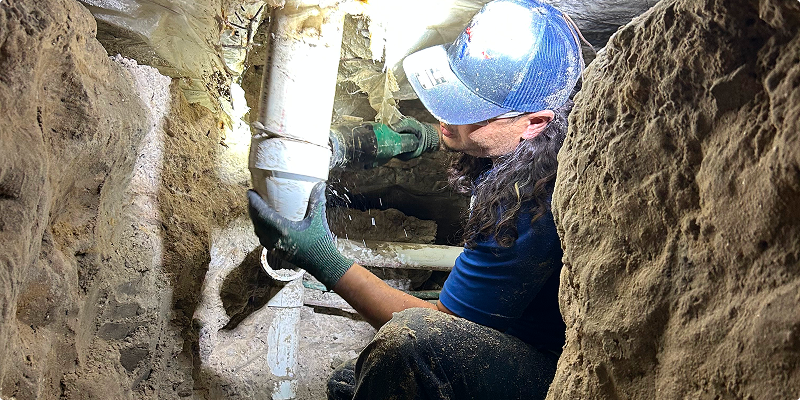
Living in the Sunshine State comes with its perks, but outdoor plumbing problems present unique challenges that Florida homeowners must navigate year-round. The state’s distinctive climate, soil conditions, and weather patterns create a perfect storm for plumbing issues that extend far beyond your home’s interior walls.
This guide from the plumbing experts at Best Home Services will help you understand common outdoor plumbing issues and how to spot them before they become bigger problems.
How Outdoor Plumbing Systems Differ from Indoor Ones
Outdoor plumbing systems operate differently from their indoor counterparts. While indoor plumbing remains protected within your home’s controlled environment, outdoor systems face constant exposure to Florida’s intense heat, humidity, heavy rainfall, and occasional temperature drops. These elements, combined with the state’s sandy or clay soil composition, create conditions that accelerate wear and damage.
Why Professional Maintenance is Crucial for Florida’s Outdoor Plumbing
Professional maintenance becomes essential when dealing with Florida’s outdoor plumbing challenges. Common issues plaguing homeowners include:
- Leaking outdoor faucets: Weather exposure and wear can cause outdoor faucets to leak.
- Sprinkler and irrigation system failures: Shifting soil and debris can lead to failures in sprinkler and irrigation systems.
- Stubborn drain clogs: Root intrusion and mineral buildup are common causes of stubborn drain clogs.
- Sewer line backups: Tree root invasion can result in sewer line backups.
- Rust and corrosion: Older galvanized pipes are susceptible to rust and corrosion.
The Consequences of Ignoring Outdoor Plumbing Issues
The stakes are higher with outdoor plumbing failures. A small leak can quickly escalate into foundation damage, while ignored sewer issues can contaminate your property’s soil. Regular professional inspections and maintenance with Best Home Services protect your investment, prevent costly emergency repairs, and ensure your family’s safety and comfort throughout Florida’s unpredictable weather seasons.
Understanding the Differences Between Outdoor and Indoor Plumbing
Outdoor vs indoor plumbing systems serve distinct purposes and face different environmental challenges. While indoor plumbing focuses on delivering clean water and removing waste within your home’s controlled environment, outdoor plumbing manages water distribution and drainage in exposed conditions.
Key Components of Outdoor Plumbing Systems
Outdoor plumbing encompasses several essential elements that work together to maintain your property:
- Hose bibs and outdoor faucets – Supply water for gardening, cleaning, and maintenance tasks
- Sprinkler and irrigation systems – Automated watering networks including heads, valves, and underground lines
- Outdoor drains and cleanouts – Remove excess water from patios, driveways, and landscaped areas
- Main sewer lines – Transport waste from your home to municipal systems or septic tanks
- Pool and spa plumbing – Specialized systems for water circulation and filtration
Indoor vs. Outdoor System Distinctions
Indoor plumbing operates within climate-controlled spaces with consistent temperatures and protection from weather elements. These systems typically use smaller diameter pipes and focus on precise water pressure regulation for fixtures like sinks, toilets, and showers.
Outdoor systems handle larger water volumes through bigger pipes designed to withstand temperature fluctuations, ground movement, and direct exposure to elements. They require different materials and installation techniques to accommodate expansion, contraction, and potential freeze damage.
Environmentmental Impact on Outdoor Plumbing
Florida’s unique environment creates specific challenges for outdoor plumbing systems. The state’s sandy soil composition allows for rapid water movement but provides less stable pipe support, leading to settling and misalignment issues.
High humidity levels accelerate corrosion in metal components, while frequent temperature changes cause pipe expansion and contraction. Heavy rainfall during storm seasons puts additional stress on drainage systems, and the abundance of large trees with aggressive root systems creates constant pressure on underground pipes.
The combination of hard water minerals and humid conditions accelerates buildup inside pipes, reducing flow capacity and increasing maintenance needs compared to drier climates.
Recognizing Common Outdoor Plumbing Issues in Florida Homes
Florida homeowners face a unique set of outdoor plumbing problems caused by the state’s tough environmental conditions. These issues usually appear in specific ways that knowledgeable property owners learn to spot early on.
Outdoor Faucet and Hose Bib Problems
Outdoor faucets, commonly known as hose bibs, frequently develop leaks around the handle or spout area. The constant exposure to Florida’s intense UV rays and temperature fluctuations causes rubber washers and O-rings to deteriorate rapidly. Many homeowners notice dripping that starts as a minor annoyance but escalates into significant water waste and potential foundation damage.
Freeze damage presents another concern, even in Florida’s mild climate. During unexpected cold snaps, unprotected outdoor faucets can crack internally, creating leaks that only become apparent when temperatures rise.
Sprinkler and Irrigation System Failures
Irrigation systems face multiple challenges in Florida’s environment:
- Sprinkler head damage from lawn equipment, vehicle traffic, or settling soil
- Clogged nozzles caused by hard water mineral deposits and debris
- Broken irrigation lines due to root intrusion or soil movement
- Valve malfunctions resulting in zones that won’t turn on or off properly
These issues often create uneven watering patterns, with some areas receiving too much water while others remain dry. Homeowners typically notice brown patches in their lawn, soggy areas that don’t dry out, or sections where grass grows excessively compared to surrounding areas.
Blockages in irrigation lines frequently occur when sand, dirt, or organic matter enters the system through damaged components or improper winterization procedures.
The Role of Roots, Soil Composition, and Mineral Buildup in Drain Clogs & Sewer Line Backups
To understand why drains get clogged and sewer lines back up in Florida, we need to look at the specific environmental factors in the state that contribute to these plumbing issues.
Tree Root Intrusion: Nature’s Underground Invasion
Florida’s lush landscape comes with a hidden cost. Tree roots naturally seek moisture and nutrients, making your sewer lines an irresistible target. Large oak trees, palm trees, and other native species develop extensive root systems that can:
- Penetrate tiny cracks in aging pipes
- Wrap around pipe joints and fittings
- Create complete blockages as roots expand inside the line
- Cause pipe displacement and structural damage
Root intrusion typically starts small but compounds over time. A hairline crack becomes a major breach as roots thicken and multiply, eventually creating impenetrable barriers that trap debris and waste.
Soil Composition Challenges
Florida’s diverse soil conditions significantly impact drainage performance. The state’s sandy soils allow rapid water movement but provide little pipe support, leading to settling and misalignment. Conversely, clay-heavy areas retain moisture longer, accelerating pipe corrosion while restricting natural drainage.
Soil shifting during heavy rains or drought cycles puts additional stress on underground plumbing, creating gaps where debris accumulates and backups begin.
Mineral Buildup: The Silent Pipe Killer
Florida’s hard water contains high concentrations of calcium, magnesium, and iron. These minerals gradually accumulate inside pipes, creating:
- Reduced pipe diameter and restricted flow
- Rough interior surfaces that catch debris
- Weakened pipe walls prone to cracking
- Ideal conditions for bacterial growth and odors
The combination of mineral deposits with organic matter creates stubborn blockages that standard drain cleaning methods cannot effectively remove.
The Hidden Threats Posed by Rust and Corrosion in Outdoor Plumbing Systems
Rust and corrosion in outdoor plumbing systems present serious challenges for Florida homeowners, particularly those living in homes built before the 1960s. These older properties frequently feature galvanized steel pipes that seemed durable when first installed but have become ticking time bombs decades later.
The Galvanized Steel Problem
Galvanized steel pipes were the standard choice for plumbing installations through the mid-20th century. These pipes came with a protective zinc coating designed to prevent rust, but Florida’s unique environment accelerates the deterioration process:
- Zinc coating breakdown occurs faster in humid, coastal conditions
- Interior pipe walls develop rust flakes that break away and travel through the system
- Pipe diameter reduction happens gradually as rust buildup narrows water pathways
- Structural weakness develops as corrosion eats through pipe walls
Hard Water’s Destructive Impact
Florida’s hard water contains high concentrations of calcium, magnesium, and other minerals that create a double threat to outdoor plumbing systems. These minerals don’t just pass through pipes harmlessly—they actively contribute to corrosion:
- Mineral deposits form crusty buildup on pipe interiors
- Chemical reactions between minerals and metal pipes accelerate rust formation
- Water flow restriction occurs as deposits narrow pipe openings
- Pressure increases throughout the system due to reduced pipe capacity
The combination of aging galvanized pipes and mineral-rich water creates a perfect storm for plumbing failures. Outdoor fixtures face additional challenges from direct exposure to moisture, temperature fluctuations, and salt air in coastal areas, making regular inspection and replacement planning essential for maintaining reliable water service.
Detecting Signs of Trouble in Your Outdoor Plumbing System
Recognizing signs of outdoor plumbing issues early can save Florida homeowners thousands in repair costs and prevent extensive property damage. Your outdoor plumbing system communicates problems through various warning signals that become increasingly obvious when you know what to look for.
Visual Indicators
Visual indicators often provide the clearest evidence of trouble:
- Pooling water around outdoor faucets, sprinkler heads, or near your home’s foundation
- Wet spots in your yard that persist even during dry periods
- Uneven grass growth or unusually lush patches that may indicate underground leaks
- Discolored water flowing from outdoor taps, suggesting pipe corrosion
Performance Issues
Performance issues signal system deterioration:
- Reduced water pressure at outdoor faucets or inconsistent sprinkler coverage
- Slow drainage in outdoor floor drains, pool areas, or patio surfaces
- Gurgling sounds from pipes or drains during water usage
- Sewage odors emanating from yard drains or cleanout access points
Financial Red Flags
Financial red flags shouldn’t be ignored:
- Unexplained spikes in monthly water bills despite normal usage patterns
- Consistently high water consumption readings from your meter
Seasonal Warning Signs
Seasonal warning signs specific to Florida include irrigation systems that won’t shut off properly, sprinkler zones that fail to activate, or outdoor fixtures that show rust stains or mineral deposits. These symptoms often worsen during Florida’s intense summer heat and hurricane season, when existing weaknesses become critical failures.
Understanding the Risks of Ignoring Outdoor Plumbing Problems
The dangers of neglecting outdoor plumbing issues go beyond just minor annoyances. They can create a chain reaction of problems that threaten both your property’s structure and your finances. When leaks persist, water can seep in and damage your home’s foundation, causing cracks and shifts in the concrete as moisture seeps into the soil around it. This kind of foundation damage often requires extensive and expensive repairs that could have been avoided with regular plumbing maintenance from the professionals at Best Home Services.
Structural Property Damage Risks:
- Foundation settling and cracking from prolonged water exposure
- Erosion around your home’s perimeter weakening structural support
- Damage to exterior walls, siding, and landscaping features
- Compromised drainage systems leading to flooding during heavy rains
Even in Florida’s warm climate, burst pipes remain a significant threat. Temperature changes, especially during unexpected cold snaps, can cause already weakened pipes to fail catastrophically. Corroded or damaged outdoor pipes are particularly vulnerable, as they don’t have the protection of indoor heating systems.
Sewer line backups create health hazards by contaminating soil around your property with harmful bacteria and waste materials. This contamination can affect nearby wells, gardens, and outdoor living spaces where your family spends time. The cleanup costs for sewage contamination often reach thousands of dollars, not including potential health-related expenses.
Ignoring these issues also leads to exponentially higher water bills as leaks worsen over time, turning minor problems into major financial burdens.
The Importance of Professional Maintenance for Your Outdoor Plumbing System
Professional maintenance for outdoor plumbing is crucial in preventing expensive repairs and system breakdowns. Licensed plumbers like the pros at Best Home Services have the expertise to handle Florida’s specific environmental challenges, such as spotting early signs of root intrusion or identifying corrosion patterns caused by the state’s humid climate.
Why Routine Inspections Matter
Outdoor plumbing systems are complex, with various components that require regular attention. Here’s why routine inspections are so important:
- Outdoor faucets and hose bibs: These fixtures need to be checked for internal valve wear and seal deterioration, which may not be immediately obvious.
- Irrigation systems: Pressure testing and head-by-head evaluation are necessary to ensure proper water distribution and detect any underground leaks.
- Drainage systems: Professional camera inspections can reveal root penetration and pipe misalignment before blockages occur.
- Sewer lines: Specialized equipment is required to identify structural issues and mineral buildup that could lead to backups.
The Role of Weather in Outdoor Plumbing Maintenance
Florida’s extreme weather conditions make it essential to have professional expertise on hand. Licensed plumbers understand how seasonal temperature changes impact different types of pipes and can recommend suitable upgrades before problems arise. They also know how to spot signs of hard water damage that homeowners might miss, such as slight changes in water pressure or minor discoloration.
By scheduling regular professional assessments with Best Home Services, homeowners can stay one step ahead of Florida’s harsh environmental factors. This proactive approach ensures that outdoor plumbing systems function efficiently throughout the year while avoiding a chain reaction of issues caused by neglected maintenance.
How Experts Effectively Solve Outdoor Plumbing Issues
Licensed plumbers employ specialized techniques and advanced equipment to tackle Florida’s most challenging outdoor plumbing problems. Professional solutions for outdoor plumbing problems require both technical expertise and the right tools to address issues that homeowners simply cannot handle on their own.
Advanced Root Removal Techniques
When tree roots invade sewer lines and drainage systems, professionals use:
- Hydro-jetting equipment that blasts high-pressure water streams to cut through root masses and clear blockages
- Mechanical root cutters with rotating blades designed to slice through thick root systems without damaging pipes
- Chemical root treatments that prevent regrowth while being safe for the surrounding environment
Sprinkler System Restoration Methods
Expert plumbers repair irrigation systems using precision diagnostic tools to locate underground leaks and damaged components. They employ pressure testing equipment to identify weak points in the system and use specialized pipe locating devices to minimize excavation damage to landscaping.
Pipe Rehabilitation Solutions
For corroded or damaged outdoor pipes, professionals offer:
- Pipe relining techniques that insert new materials inside existing pipes
- Trenchless repair methods that avoid extensive digging
- Strategic pipe replacement using durable materials like PEX or copper that withstand Florida’s harsh conditions
These professional approaches ensure long-lasting repairs that address root causes rather than temporary fixes, protecting your property investment and preventing recurring issues.
Preventive Measures Every Florida Homeowner Should Take To Protect Their Outdoor Plumbing System
Smart preventive strategies for outdoor plumbing maintenance can save Florida homeowners thousands in repair costs while protecting their property from water damage. Taking proactive steps before problems develop keeps your outdoor plumbing system running efficiently year-round.
Water Softener Installation
Installing a water softener system addresses one of Florida’s most persistent plumbing challenges: hard water mineral buildup. These systems remove calcium and magnesium deposits that accumulate inside pipes, causing:
- Reduced water flow in outdoor faucets and irrigation lines
- Premature corrosion of metal fixtures and connections
- Scale buildup that leads to costly pipe replacements
Water softeners extend the lifespan of your entire plumbing system, including outdoor components exposed to Florida’s mineral-rich groundwater.
Hurricane Season Preparation
Florida’s hurricane season demands specific outdoor plumbing protection measures:
Before Storm Season:
- Secure loose outdoor fixtures and irrigation components
- Clear gutters and downspouts to prevent water backup
- Install hurricane straps on outdoor water heaters
- Mark main water shutoff locations for emergency access
Storm Preparation:
- Shut off electricity to outdoor pumps and irrigation systems
- Drain exposed pipes to prevent damage from flying debris
- Remove or secure portable outdoor plumbing fixtures
Post-Storm Inspection:
- Check for visible damage to outdoor faucets and irrigation heads
- Test water pressure and quality before resuming normal use
- Schedule professional inspection if you notice any changes in system performance
Regular maintenance combined with seasonal preparation protects your outdoor plumbing investment while ensuring reliable water access when you need it most.
Ready to protect your outdoor plumbing system? Contact the plumbing professionals at Best Home Services today for a comprehensive inspection and customized maintenance plan tailored to your home’s specific needs. Give us a call or book an appointment online today.
