



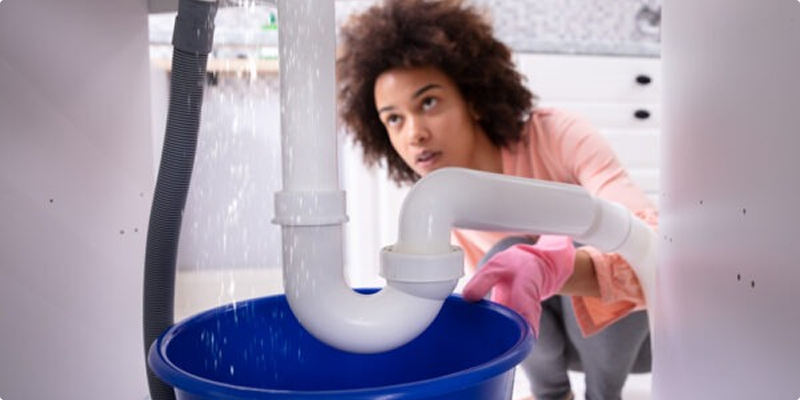
That little leak you’ve been neglecting can turn into a major issue! Water leaks can harm your plumbing, property, and yard in addition to increasing your utility costs. The good news? Many leaks can easily be prevented!
Here are some top tips from the plumbing team at Best Home Services on how to prevent these common household leaks, so you can ensure your home is protected and your plumbing system is working smoothly.
Identifying Common Leak Sources in Your Home
Most homeowners don’t realize that the average household’s leaks waste nearly 10,000 gallons of water annually. That’s enough to wash 300 loads of laundry! Understanding where leaks commonly occur is the first step to preventing them.
Washing Machine Leaks
Because your washing machine uses so much water, it is prone to leaks if not maintained. The hoses connecting your washing machine to water supply lines are particularly vulnerable. These rubber hoses deteriorate over time, especially when exposed to constant water pressure.
To prevent a leaky washing machine, replace hoses every five years and check the connections annually. Look for signs of bulging, cracking, or brittleness in the rubber. Consider upgrading to stainless steel braided hoses, which are more durable and less likely to burst under pressure.
HVAC System Leaks
When your air conditioning system works properly, moisture should be removed from the air conditioner by the drain pipe. If you have an air conditioner in your attic and notice wetness on your ceiling, it likely means the condensation line is blocked or the pan is full.
Drain line clogs are usually caused by dirt, algae, dust, and similar debris. The best way to prevent leaks from your HVAC system is to have it inspected and cleaned every year by a professional HVAC technician from Best Home Services. Remember, proactive maintenance also includes changing the air filter every 30-60 days.
Preventing Drain and Pipe Leaks
If your kitchen or bathroom sinks are clogged or leaking, it can cause serious property damage in your home. Clogs put excessive pressure on pipes and joints, leading to leaks at weak points.
To prevent these issues, be mindful of what goes down your drains. Don’t pour grease, coffee grounds, rice, pasta, or other food waste down your drains as they can harden and clog your pipes, putting stress on your entire plumbing system.
If your drains and pipes are clogged, avoid using caustic drain cleaners that can damage pipes. Instead, try a plunger or call a professional plumber who can clear your drains using methods that won’t harm your plumbing.
Toilet Leak Prevention
Toilets can leak at the supply line, or they can overflow when clogged. To prevent such leaks, check the supply line yearly to ensure that your tank doesn’t need repair or adjustments. Look for signs of wear on the flexible hose connecting the toilet to your water supply.
If there is a leak at your toilet’s supply line, work quickly to prevent damage. Follow these steps:
- Open the toilet’s tank lid
- Close the flapper
- Lift the ball
- Shut off water at the wall stop
- Call a plumber from Best Home Services to take a look
Dishwasher and Refrigerator Leaks
Since dishwasher and refrigerator pipes are located under and behind these appliances, leaks can often go unnoticed for years. To ensure everything is okay, routinely inspect underneath and behind both appliances.
Another way to detect a leak is to look for discoloration under your appliances. Water damage often appears as warping in wood floors or water stains on tile. A musty smell could also indicate a hidden leak. Make these quick checks part of your seasonal cleaning routine for good preventative plumbing maintenance.
More Essential Plumbing Leak Prevention Tips
To keep your plumbing system working properly and avoid costly water damage, follow these additional tips:
- Don’t flush items down the toilet that should be thrown away in the garbage
- Regularly check your plumbing for leaks, especially after season changes
- Know where your main water shut-off valve is located
- Install water leak detectors near high-risk appliances
- Consider having annual professional plumbing inspections
Addressing small leaks promptly can save you from major water damage and expensive repairs down the road. Remember that even a small drip can waste thousands of gallons of water per year while slowly causing hidden damage to your home.
Managing Water Pressure and Water Quality to Reduce Leak Risk
Beyond just checking your appliances, managing your home’s water pressure and quality plays a huge role in preventing leaks. High water pressure might feel nice in the shower, but it puts constant strain on your pipes and connections. When water pressure exceeds 80 psi (pounds per square inch), it can damage your plumbing system over time.
Most homes should maintain water pressure between 40-60 psi for optimal performance and pipe longevity. You can test your water pressure with an inexpensive gauge that attaches to an outdoor spigot. If the reading is too high, consider installing a pressure regulator on your main water line to protect your entire plumbing system.
The Impact of Hard Water on Your Plumbing
Hard water contains high levels of minerals like calcium and magnesium that can build up inside your pipes. These mineral deposits slowly narrow your pipes, reducing water flow and increasing pressure. Eventually, this can lead to pinhole leaks or even pipe failure.
Signs of hard water include spots on dishes, soap that doesn’t lather well, and a crusty white buildup around faucets. Installing a water softener can help prevent these issues by removing minerals before they damage your plumbing. While a softener is an investment, it’s typically cheaper than replacing damaged pipes and fixing water leaks.
Monitoring for Water Hammer and Pressure Spikes
Have you ever heard banging in your pipes when you shut off a faucet quickly? This is called water hammer, and it happens when flowing water suddenly stops, creating a pressure surge that can damage your pipes. These pressure spikes put stress on joints and connections, making them more likely to leak over time.
Water hammer arrestors can be installed at key points in your plumbing system to absorb these pressure surges and protect your pipes. They act like shock absorbers for your plumbing, reducing the stress that leads to leaks.
Watching for Signs of Corrosion
Municipal water often contains chemicals that help keep it safe but may gradually corrode certain pipe materials. If your water has a metallic taste or appears discolored (especially rusty), it could indicate pipe corrosion that might lead to leaks.
Check exposed pipes periodically for discoloration, flaking, or dimpling—all signs that your pipes are corroding from the inside out. Green stains on copper pipes indicate corrosion that needs attention before leaks develop.
Practicing Safe Drain Use to Prevent Blockages
Preventing drain clogs is an important part of leak prevention that many homeowners overlook. When drains clog, water pressure builds up behind the blockage, putting stress on pipe joints and seals where leaks commonly develop.
Kitchen drains are particularly vulnerable. Instead of pouring cooking grease down the drain, collect it in a container and throw it in the trash when it solidifies. Even liquefied grease will cool and harden in your pipes, catching other debris and creating stubborn clogs that are difficult to remove.
Coffee grounds, eggshells, rice, and pasta should also stay out of your drains. These foods expand or clump together when wet, creating blockages that strain your plumbing system. Scrape food waste into the trash or compost bin before washing dishes.
Avoiding Chemical Drain Cleaners
When you do have a clog, avoid using caustic chemical drain cleaners. These harsh chemicals can corrode your pipes over time, creating weak spots that eventually leak. Instead, try a plunger, drain snake, or enzymatic drain cleaner that uses bacteria to break down organic matter without damaging pipes.
For stubborn clogs, professional drain cleaning services like Best Home Services use methods like hydro jetting that clear blockages without harming your plumbing. The cost of professional drain cleaning is minimal compared to the expense of repairing water damage from a leaking pipe.
Protecting Your Plumbing System Long-Term
Installing mesh screens over drains in showers and sinks helps catch hair and debris before they enter your plumbing system. Empty these traps regularly to maintain good water flow and prevent clogs from forming.
Taking these proactive steps to manage water pressure, address water quality issues, and prevent drain clogs will significantly reduce your risk of plumbing leaks. Remember that most major plumbing problems start as minor issues that could have been prevented with regular maintenance and careful use of your plumbing system.
Don’t ignore plumbing problems. Fix them at the source with help from the professional plumbers at Best Home Services. Being proactive about leak prevention is one of the smartest investments you can make in home maintenance. Give Best Home Services a call or book an appointment online today.
