



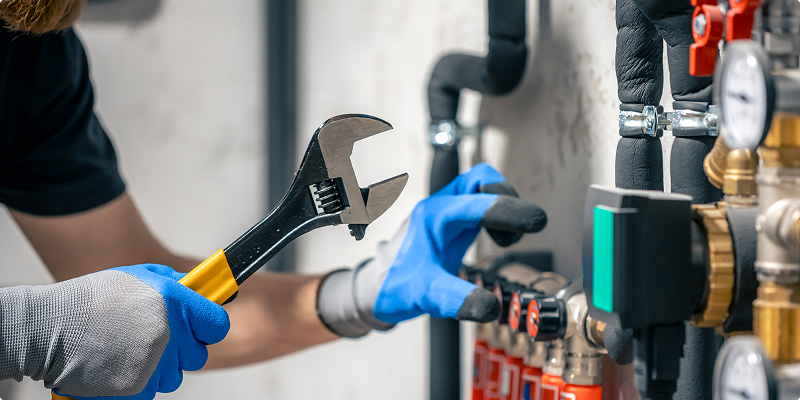
Living in a charming older home brings character and history to your daily life, but it can also bring unexpected plumbing challenges. Homes built before 1980 often have outdated plumbing systems that can be both unsafe and inefficient. These aging systems require attention and careful upgrades, whether it’s lead pipes hidden behind walls or water heaters that waste energy and increase utility bills.
Your home’s plumbing system is like its circulatory system, so it’s important for it to work properly. This ensures:
- Safety — Keeping your family safe from contaminated water and potential leaks
- Efficiency — Reducing water waste and lowering monthly utility costs
- Property Value — Maintaining and increasing your home’s market worth
- Peace of Mind — Avoiding emergency repairs and system failures
Whether you’re facing issues like low water pressure, thinking about replacing your water heater, or simply want to update your historic home, it’s essential to know what upgrade options are available. In this guide from Best Home Services, we’ll discuss the main plumbing improvements that can make your older Florida home safer and more efficient.
Understanding the Hazards of Outdated Plumbing Systems
Homes built before 1980 often have hidden plumbing problems that can affect both health and property value. Two materials stand out as particularly problematic: lead and galvanized steel pipes.
Lead Pipes: A Silent Health Risk
- Lead pipes were common in homes until the 1980s
- Lead leaches into drinking water over time
- Exposure can cause serious health issues:
- Learning disabilities in children
- Kidney problems
- High blood pressure
- Reproductive issues
Identifying lead pipes: Look for soft, dull gray pipes that appear slightly bulged. Scratching the surface with a key will reveal a silver-like sheen.
Galvanized Steel: Not As Strong As It Sounds
Galvanized steel pipes present their own set of challenges:
- Internal corrosion creates rust buildup
- Mineral deposits restrict water flow
- Pipes can crack or burst without warning
- Life expectancy: 40-100 years
- Connected fixtures may contain traces of lead
Signs of galvanized steel pipe problems:
- Brown or discolored water
- Inconsistent water pressure
- Visible rust on exposed pipes
- Frequent leaks or water damage
These aging systems don’t just affect water quality; they can cause extensive structural damage through leaks and bursts. The cost of emergency repairs often exceeds planned replacement, making proactive upgrades a smart investment for homeowners with older properties.
A simple test can reveal your pipe material: Hold a magnet to the pipe surface. If it sticks, you likely have galvanized steel pipes. If not, you might have lead or copper plumbing. Get in touch with the plumbing professionals at Best Home Services for an inspection to be sure.
The Benefits of Modern Plumbing Materials
Modern plumbing materials offer significant advantages for homeowners looking to upgrade their aging pipe systems. Two standout options have revolutionized residential plumbing: PEX and copper pipes. These modern materials have transformed the way plumbing systems perform in residential settings.
PEX (Cross-linked Polyethylene) Pipes
- Exceptional flexibility allows for fewer connections and reduced leak risks
- Resists freezing and bursting in cold temperatures
- Quick installation with simple push-to-connect fittings
- Cost-effective choice for whole-house replumbing projects
- Available in color-coded options for easy identification of hot and cold lines
- Maintains water quality without corrosion or scale buildup
PEX’s flexibility makes it perfect for tight spaces and challenging installations, while its resistance to temperature extremes provides peace of mind during harsh winters. The material’s adaptability reduces the number of joints needed, minimizing potential leak points throughout the system.
Copper Pipes
- Premium durability with a lifespan of 50+ years
- Naturally antimicrobial properties
- Resistant to UV radiation and fire
- Adds value to home resale potential
- Sleek, professional appearance
- Ideal for both indoor and outdoor applications
Copper pipes remain a premium choice for homeowners seeking long-term reliability. Their proven track record in residential plumbing spans decades, with many installations lasting generations. The material’s natural resistance to bacteria growth makes it particularly suitable for drinking water lines, while its ability to withstand high temperatures makes it excellent for hot water distribution.
Addressing Water Pressure Issues in Older Homes
Low water pressure is one of the most frustrating plumbing problems in older homes. Several factors contribute to this common issue:
- Mineral Buildup: Over the years, hard water flowing through pipes creates calcium and mineral deposits, gradually narrowing the pipe diameter.
- Corroded Pipes: Aging metal pipes can rust and deteriorate, which restricts water flow.
- Multiple Fixture Usage: Older plumbing systems struggle to maintain pressure when multiple water sources are used at the same time.
- Municipal Water Supply: Some neighborhoods with aging infrastructure may experience reduced pressure at the main supply line.
Solution: Pressure Booster System
If you’re dealing with weak water flow, a pressure booster system can be an effective solution. These systems work by:
- Increasing incoming water pressure with a pump unit
- Maintaining consistent flow with a pressure tank
- Monitoring and adjusting water levels using pressure sensors
- Preventing excessive pressure buildup through control mechanisms
Typically, installing a pressure booster raises water pressure from 30-40 PSI to an optimal range of 50-60 PSI. This improvement means:
- Stronger showers with better spray patterns
- Faster filling of bathtubs and sinks
- More efficient operation of washing machines and dishwashers
- Improved performance of irrigation systems
Importance of Professional Assessment
Before installing a booster system, it’s crucial to have a professional plumber from Best Home Services conduct a thorough pressure test. This will help identify the root cause of low pressure and determine the appropriate size for your home’s specific needs.
Evaluating Water Heaters for Efficiency: Traditional vs Tankless Systems
Your water heater is essential for keeping your home comfortable. It’s important to know when it’s time to replace it to avoid sudden cold showers and expensive repairs.
Key Signs You Need a Water Heater Replacement:
- Rusty or discolored water
- Strange noises (popping, cracking)
- Water pooling around the unit
- Age exceeding 10-12 years
- Inconsistent water temperature
- Rising energy bills
Lifespan and Energy Use of Water Heaters
Traditional storage tank water heaters usually last between 8 to 12 years. These units store 30 to 50 gallons of heated water and use energy continuously to maintain the temperature. While they are familiar and cheaper to install initially, they consume more energy by keeping water hot all day long.
On the other hand, tankless water heaters heat water only when needed, which means they don’t waste energy when not in use. These systems can last over 20 years and have several advantages:
Benefits of Tankless Systems:
- 24-34% more energy efficient for homes using under 41 gallons daily
- Endless hot water supply
- Space-saving design
- Longer lifespan
- Lower monthly utility costs
Advantages of Traditional Tanks
However, traditional tanks also have their benefits:
Traditional Tank Advantages:
- Lower initial installation cost
- Simpler maintenance
- Familiar technology
- Works during power outages
Factors to Consider When Choosing a Water Heater
The decision between these two systems depends on your specific household needs. Here are some factors to consider:
- Daily hot water usage
- Available space for installation
- Installation requirements (such as gas or electric connections)
- Local utility rates (how much you pay for gas or electricity)
- Initial budget constraints (how much you can afford to spend upfront)
A professional plumber from Best Home Services can help you evaluate your situation and recommend the best option for your home based on these factors.
Smaller Plumbing Upgrades to Enhance Functionality and Comfort
Small plumbing upgrades can make a big difference in how efficiently water is used in your home and how comfortable it is to live there. If you’re someone who likes to do things yourself, starting with low-flow fixtures is a great idea:
DIY-Friendly Fixture Upgrades:
- Faucet aerators
- Low-flow showerheads
- Water-efficient toilets
- Touchless faucets
- Smart leak detectors
These modern fixtures can reduce water consumption by 20-30% without compromising performance. A standard showerhead uses 2.5 gallons per minute, while low-flow alternatives use 1.5 gallons or less.
Advanced Drainage Solutions
Professional hydrojetting services clear stubborn clogs and buildup in older pipes. This powerful cleaning method uses high-pressure water streams to:
- Remove years of accumulated debris
- Clear tree root intrusions
- Prevent future blockages
- Restore optimal flow capacity
Water Quality Improvements
Installing filtration systems enhances water quality and protects your plumbing:
- Under-sink filters for drinking water
- Whole-house filtration systems
- Water softeners for hard water issues
- UV purification systems
While many fixture replacements are suitable for DIY installation, complex upgrades like whole-house filtration systems require professional expertise. Always check local building codes before starting any plumbing project, as some modifications may require permits or licensed contractors.
The Role of Professional Plumbers in Ensuring Safe and Efficient Plumbing Systems
Professional plumbers like the team at Best Home Services bring essential expertise to maintain and upgrade plumbing systems in older homes. Regular professional inspections can identify potential issues before they become costly emergencies:
- Comprehensive Assessment Services:
- Pipe material evaluation
- Water pressure testing
- Leak detection
- Water quality analysis
- Drainage system inspection
A qualified plumber’s trained eye spots warning signs that homeowners might miss. These experts can detect early stages of pipe deterioration, hidden leaks, or developing blockages through specialized diagnostic tools and techniques.
Key Benefits of Professional Plumbing Services:
- Accurate diagnosis of complex plumbing issues
- Code-compliant installation and repairs
- Access to high-quality materials and parts
- Warranty protection on work performed
- Emergency service availability
Best Home Services’ professional plumbers also provide valuable guidance on preventive maintenance strategies:
- Scheduled pipe cleaning
- Water heater maintenance
- Fixture updates
- Drain care recommendations
- Seasonal preparation tips
Working with licensed plumbers ensures proper installation of major upgrades like PEX piping or tankless water heaters. Their expertise helps homeowners make informed decisions about system improvements while maintaining safety standards and local building codes.
Regular professional maintenance extends the life of plumbing systems and protects your home’s value. Give the plumbing experts at Best Home Services a call or book an appointment online today.
