


Exploring the Latest in Air Conditioning Tech for Your Florida Home

Living in Florida means you’re no stranger to the heat and humidity, making air conditioning an essential part of home comfort. Luckily, the latest in air conditioning tech offers homeowners exciting innovations that can enhance efficiency and convenience. From smart AC technology that allows for seamless control to energy-efficient systems that lower your utility bills, these advancements are designed to make your life easier while keeping your home cool and comfortable.

Embrace Smart AC Technology for Ultimate Convenience

Imagine adjusting your home’s temperature from anywhere with just a tap on your smartphone—this is the reality with today’s smart AC technology. For Florida homeowners, where managing the heat is a daily challenge, these smart tools can be a game-changer. Smart AC control apps let you tweak your home’s climate remotely, ensuring that you walk into a cool home without wasting energy while you’re away.

But the benefits don’t stop at remote control. These smart systems allow you to monitor your energy consumption in real-time. By understanding your usage patterns, you can make smarter choices about when and how to cool your home, potentially saving you money. Some apps even offer energy-saving tips tailored to your habits, making it easier than ever to keep energy bills in check.

Beyond just control and monitoring, smart AC technology integrates seamlessly with other smart home devices. Imagine syncing your air conditioning with your smart thermostat, lighting, and even your security system. This kind of interconnectedness not only adds layers of convenience but also enhances overall home efficiency.

Additionally, these advanced systems often come with diagnostic features that alert you to potential issues before they become serious problems, reducing the need for a call to Best Home Services for unexpected repairs. This proactive approach to home comfort means more peace of mind for you and your family.

In a state where summer seems endless, embracing smart AC technology is more than a luxury—it’s a practical step towards a more comfortable and energy-efficient home.

Save Energy and Lower Bills with Smart Thermostats

One of the game-changers in modern air conditioning technology is the smart thermostat. These clever devices are designed to learn your daily routines and temperature preferences, automatically adjusting to optimize energy use. Imagine a thermostat that knows when you’re home and keeps things cool, then switches to an energy-saving mode when you’re out—this adaptability can result in significant savings on your utility bills.

Smart thermostats offer the flexibility to control your home’s climate from anywhere, right from your smartphone. Whether you’re on vacation and forgot to adjust the temperature or you want to cool down the house before you arrive, remote control capabilities give you full command over your comfort.

These thermostats also provide detailed insights into your energy usage. By understanding when and how much energy you use, you can make informed decisions to further enhance efficiency. Many models offer suggestions and tips to help you conserve energy based on your specific usage patterns.

Additionally, smart thermostats can integrate seamlessly with other smart home devices, creating a unified and responsive home environment. By linking your thermostat with other systems, such as lighting or security, you can create automated routines that boost efficiency and convenience.

Investing in the installation of a smart thermostat with Best Home Services is a straightforward step towards a more energy-efficient and comfortable home. These devices not only save you money but also contribute to a more environmentally friendly lifestyle, making them an appealing choice for any homeowner.

Mini Split Systems for Customized Comfort

Mini split AC systems are becoming increasingly popular for homeowners who want tailored comfort in every room. These systems offer a unique advantage: the ability to set different temperatures in different parts of your home, ensuring that everyone enjoys their ideal climate. Whether it’s a cool retreat in the living room or a warmer atmosphere in the bedroom, mini splits provide the flexibility to meet diverse needs.

One of the standout features of mini split systems is their efficiency. Unlike traditional ducted systems, which can lose a significant amount of energy through ductwork, mini splits deliver air directly to each zone. This direct approach reduces energy waste and enhances overall efficiency, making it a smart choice for those looking to lower their energy consumption.

Mini split systems are also a perfect solution for older homes without existing ductwork or for room additions where extending ductwork isn’t feasible. Their compact, sleek design blends seamlessly with any decor while providing powerful cooling. Plus, the ease of installation with Best Home Services and minimal disruption to your home make mini splits an attractive option.

Another advantage is the quiet operation of mini split units. Because the compressor is located outside, the indoor units run quietly, contributing to a peaceful and comfortable living environment. This is particularly beneficial for bedrooms or home offices where noise can be a distraction.

Additionally, mini split systems can be integrated with smart technology, allowing for remote control and scheduling through your smartphone. This means you can adjust the temperature of each zone even when you’re not at home, ensuring optimal comfort and efficiency no matter where you are.

Create Efficient HVAC Zones in Your Home

Imagine being able to keep your living room perfectly cool while letting your spare bedroom stay a bit warmer—creating HVAC zones in your home makes this possible. By dividing your home into separate zones, each with its own thermostat, you can tailor the climate to your specific needs in different areas. This approach not only enhances comfort but also significantly boosts energy efficiency.

In Florida, where cooling demands are high, zoning can be particularly beneficial. For instance, you might want your kitchen and living room to stay cool during the day while letting the bedrooms remain warmer until nighttime. This kind of targeted cooling reduces energy consumption because you’re not overworking your system to cool areas that aren’t in use.

Integrating zoning with smart thermostats and mini split systems takes this concept even further. These devices allow you to control each zone independently, often via your smartphone. This means you can adjust temperatures on the go, ensuring each part of your home is always at the perfect temperature when you need it.

Moreover, creating HVAC zones can be especially advantageous in multi-story homes where temperature differences between floors can be a challenge. By zoning, you can maintain consistent comfort throughout your home without having to blast the AC to compensate for hotter areas.

Adding zoning to your HVAC system can also be a cost-effective solution. By reducing the workload on your air conditioning unit, you prolong its lifespan and lower your maintenance costs. Plus, with the efficiency gains, you can see a noticeable reduction in your monthly utility bills.

Advances in Refrigerants and Energy Efficiency

In recent years, the air conditioning industry has seen remarkable strides in the development of refrigerants and energy efficiency. One significant advancement is the shift to environmentally friendly refrigerants that require fewer BTUs (British Thermal Units) to achieve optimal cooling. These new refrigerants not only enhance performance but also contribute to lower energy consumption and a smaller carbon footprint.

Simultaneously, updates to SEER (Seasonal Energy Efficiency Ratio) standards are pushing manufacturers to create even more efficient air conditioning systems. By selecting units with higher SEER ratings, Florida homeowners can take advantage of the latest technologies designed to maximize cooling efficiency and minimize energy costs. These advanced systems are engineered to use energy more effectively, ensuring that every dollar spent on cooling delivers the highest possible return in terms of comfort and efficiency.

Another exciting development is the integration of advanced sensors and control algorithms that fine-tune the cooling process. These innovations ensure that air conditioning systems operate at peak efficiency, adjusting dynamically to changes in temperature and humidity. This not only keeps your home more comfortable but also reduces wear and tear on the system, leading to a longer lifespan and fewer maintenance issues.

The Importance of Professional Guidance and Maintenance

Navigating the world of air conditioning technology can be overwhelming, but that’s where professional guidance from Best Home Services comes in. Consulting with our HVAC experts ensures you make the best choices for your home’s specific needs, whether you’re interested in smart AC technology, mini split systems, or the latest energy-efficient models. These professionals can provide personalized recommendations, helping you select systems that not only meet your cooling requirements but also enhance overall energy efficiency.

Moreover, proper installation by a certified Best Home Services technician is crucial for maximizing the performance and lifespan of your new AC system. Expert installation ensures that all components are correctly configured and operating at peak efficiency from day one, reducing the likelihood of issues down the line.

Maintenance is another critical factor in keeping your AC system running smoothly. Regular check-ups by Best Home Services’ HVAC professionals can catch potential problems early, preventing costly repairs and ensuring consistent, efficient operation. Scheduled maintenance also includes essential tasks like cleaning filters, checking refrigerant levels, and inspecting system components, all of which contribute to optimal performance.

Additionally, our professionals stay updated on the latest advancements and regulatory changes in the industry, such as new SEER standards and refrigerant requirements. Their expertise helps you stay compliant and take full advantage of new technologies designed to improve efficiency and reduce environmental impact.

In the end, seeking professional guidance and committing to regular maintenance with Best Home Services not only protects your investment but also ensures your home remains a cool and comfortable haven, no matter how intense the Florida heat gets. Give us a call or book an appointment online today.

Protecting Your AC Warranty: The Importance of Regular Maintenance

When it comes to keeping your home cool and comfortable during the hot summer months, your air conditioning system plays a crucial role. And to ensure that your AC unit continues to operate efficiently and effectively, it’s important to understand the warranty that comes with it. In this blog post, we will discuss the importance of regular professional maintenance with Best Home Services in protecting and extending your AC warranty.

Understanding Your Air Conditioning Warranty

Navigating the ins and outs of air conditioning warranties might seem daunting at first, but it’s simpler than you think! Whether you’re cooling your home with a central AC system, a sleek ductless mini split, or a convenient window unit, each comes with its unique warranty specifics. For central air conditioners, warranties typically extend parts and labor coverage for a span ranging from 5 to 10 years. This means that for nearly a decade, you could be shielded from the financial burden of certain repairs.

On the other hand, ductless mini split systems and window AC units have their warranty conditions, often focusing on coverage for key components that are crucial for their operation. The length and breadth of these warranties can differ, so it’s wise to pore over the details provided by the manufacturer. What’s common across all these warranties, though, is their purpose: to protect you from defects in materials or craftsmanship that could hamper your system’s performance.

Understanding your air conditioning warranty is the first step towards making informed decisions about your home’s cooling needs. It’s not just about knowing how long your coverage lasts but also about recognizing what’s covered—and what’s not. This knowledge is invaluable, as it guides you in maintaining your AC system in a way that ensures it operates smoothly, without inadvertently voiding your warranty. So, take a moment to familiarize yourself with your warranty’s specifics. It’s an effort that pays off by helping you navigate potential issues with confidence and ease, keeping your home comfortable and your mind at peace.

What Your Warranty Protects Against

Embarking on the journey of understanding your air conditioning warranty can feel like decoding a secret language, but it’s actually a safeguard designed with your comfort and convenience in mind. A standard air conditioning warranty is your frontline defense against the unforeseen expenses that can arise from defects in materials or craftsmanship. Imagine it as a safety net, gracefully catching you in case your cooling system encounters a hiccup that isn’t due to normal wear and tear.

This protection generally covers the cost of repairs or replacement of major components that are essential for your air conditioner to function correctly, such as the compressor, condenser, and evaporator coils. These are the heart, lungs, and veins of your AC system, and keeping them in top-notch condition is crucial for your home’s comfort. Some warranties may also extend coverage to include labor costs, which can be a significant relief because, let’s face it, AC repairs can sometimes be as complex as rocket science, and labor costs can quickly skyrocket.

However, it’s key to remember that warranties have their boundaries. They usually won’t cover damages resulting from improper installation, inadequate maintenance, or everyday wear and tear. It’s like having a shield; while it provides ample protection, it’s not invincible. That’s why coupling your warranty with regular professional maintenance from Best Home Services is like adding a sturdy armor to your shield, fortifying your defense against potential AC woes and ensuring your cooling system continues to provide relief during those sweltering summer days.

Common Ways AC Warranties Can Be Voided

Navigating the intricacies of your AC warranty doesn’t just mean understanding what’s covered; it’s equally crucial to be aware of what actions might inadvertently lead to its nullification. Surprisingly, some of the most common pitfalls aren’t complex or outlandish scenarios but simple missteps in maintenance and repair.

One of the quickest ways to void your warranty is by diving into DIY repairs. While it’s tempting to tackle AC issues on your own, especially with the wealth of online tutorials available, this route can be risky. Manufacturers typically require that repairs be carried out by licensed professionals to ensure that the work meets specific standards. When unqualified hands attempt fixes, it increases the likelihood of accidental damage or improper handling, which in turn can void your warranty.

Similarly, neglecting regular professional maintenance can lead to warranty woes. It might seem economical to skip annual tune-ups, but this decision can backfire. Manufacturers often stipulate regular professional maintenance as a condition of the warranty. This requirement isn’t just about keeping your system running smoothly; it’s also a way to catch and document potential issues early, before they escalate into significant problems. Failing to adhere to this maintenance schedule can not only lead to decreased efficiency and higher operating costs but can also strip you of your warranty protections.

Lastly, using non-approved parts during repairs or maintenance is another common oversight that can void warranties. Always ensure that any replacement parts are genuine and approved by the manufacturer. This not only preserves the integrity of your AC system but also upholds the warranty conditions, keeping your coverage in good standing.

The Role of Professional Maintenance in Warranty Preservation

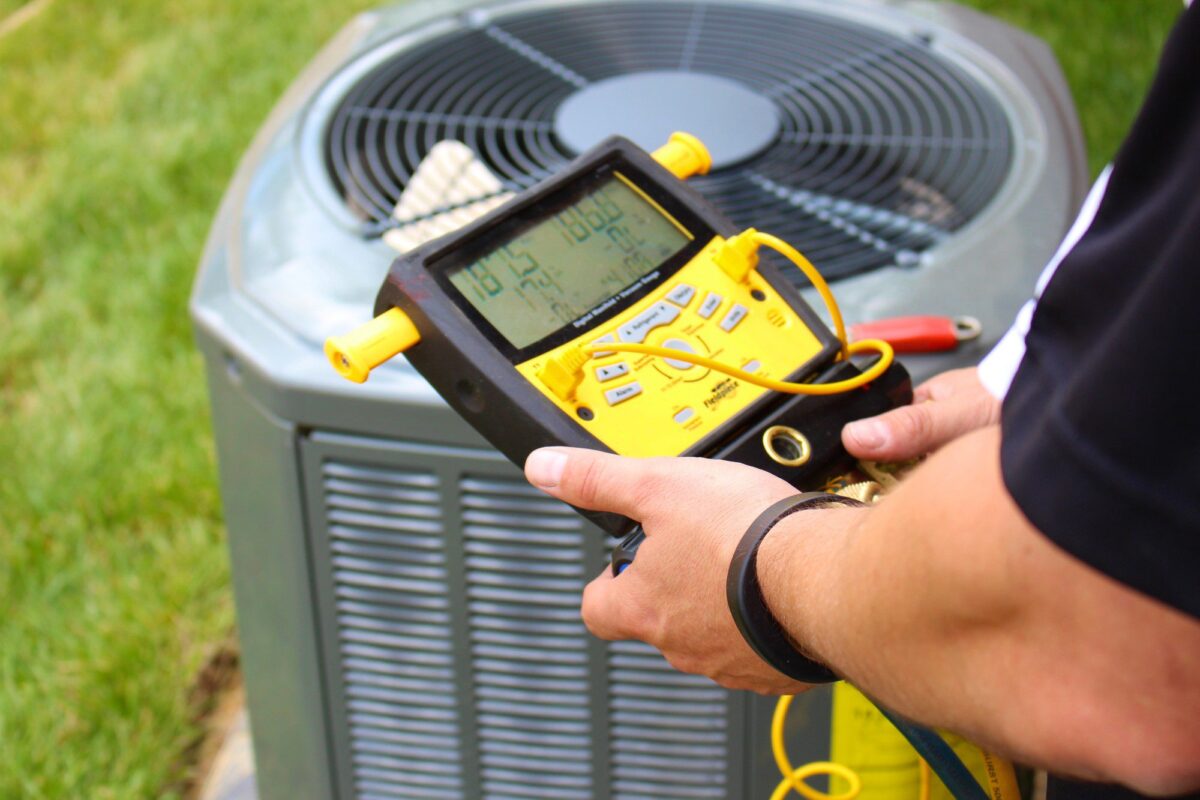
Ensuring your AC system remains in tip-top shape and your warranty intact requires more than just a watchful eye; it demands professional maintenance. Engaging with skilled Best Home Services’ HVAC technicians for regular check-ups is akin to giving your air conditioning system a health plan. This proactive approach allows for the early detection and resolution of minor issues before they escalate into bigger, more expensive problems.

Professional maintenance serves as a critical component in warranty preservation. It’s not just about fulfilling a requirement; it’s about adding years of efficient, effective service to your air conditioning system. Technicians carry out comprehensive inspections that cover every aspect of your AC’s operation, from electrical connections to refrigerant levels. This thoroughness ensures that all potential warranty voiding issues are caught and corrected early.

Furthermore, during these maintenance visits from Best Home Services, technicians can provide documentation of your system’s condition and the services performed, which is invaluable should a warranty claim ever be necessary. This documented evidence of professional care demonstrates to manufacturers that the system has been maintained according to their standards, thereby safeguarding your warranty.

Regular professional maintenance also means personalized advice on how to keep your AC running smoothly between visits, highlighting the interconnectedness of expert care, warranty protection, and the overall health of your air conditioning system. By investing in professional maintenance with Best Home Services, you’re not just preserving a warranty; you’re ensuring a comfort-filled home for years to come.

The Long-Term Benefits of Warranty Protection and Maintenance

Embracing a strategy of regular professional maintenance for your air conditioning system doesn’t just tick a box for warranty adherence; it unfolds a cascade of long-term benefits that enhance both your comfort and financial wellbeing. Such diligence in caring for your AC unit ensures that its efficiency is optimized, translating to a noticeable reduction in your energy bills. This is because a well-maintained system operates more smoothly, requiring less energy to cool your home effectively.

Moreover, the proactive approach of professional maintenance with Best Home Services keeps potential issues at bay, minimizing the likelihood of sudden breakdowns. This means fewer disruptions to your home’s comfort and less chance of facing unexpected repair bills that can arise from more severe problems down the line. By securing the longevity of your warranty through regular check-ups, you’re not just safeguarding against the costs associated with significant repairs; you’re investing in the reliability and lifespan of your air conditioning system.

In essence, the commitment to regular maintenance and the protection of your warranty converge to offer a seamless, efficient cooling experience. This ensures that your air conditioning system remains a source of comfort and convenience, year after year, rather than a concern or financial burden.

Regular maintenance sessions from Best Home Services provide peace of mind, knowing that your warranty protection is intact and you air conditioning system will continue to deliver reliable cooling. Give Best Home Services a call or book an appointment online today to keep your AC system healthy for years to come!

Clogs, Leaks, and Bills: Time for a Bathroom Plumbing Upgrade?

Is your bathroom giving you trouble with clogs, leaks, and high water bills? It might be time for a bathroom plumbing upgrade. Outdated plumbing systems can cause a range of issues that not only affect the functionality of your bathroom but also impact your wallet. In this blog post, we’ll explore the signs that indicate your bathroom needs a plumbing upgrade, the consequences of outdated plumbing, what a plumbing upgrade entails, the advantages of modern plumbing fixtures, how it can save you money, and the importance of professional plumbing guidance and installation from Best Home Services.

The Telltale Signs Your Bathroom Needs a Plumbing Upgrade

Are frequent clogs becoming the norm in your sink or toilet? Maybe you’ve started noticing leaks lurking under the sink or around the shower area, creating puddles where there should be none. These issues are often the first indicators that your bathroom plumbing isn’t keeping up with the times and might be due for an upgrade.

But it’s not just about the obvious leaks and blockages; there are other signs you might overlook. Slow drainage that turns your shower into a bath, or low water pressure that makes rinsing shampoo a test of patience, can also signal trouble. And if your water has a tint of rust, it’s a clear sign your pipes are aging and potentially compromising the quality of your water.

Encountering any of these problems can be frustrating, but they’re also your bathroom’s way of calling for help. It’s easy to ignore one slow drain or an occasional leak, but these issues can be the harbingers of larger plumbing woes. Addressing them early can save you from more extensive and expensive repairs down the line. So, if your bathroom is showing any of these signs, it might be time to consider giving your plumbing a modern makeover.

The Unseen Consequences of Outdated Bathroom Plumbing

Outdated bathroom plumbing doesn’t just lead to the inconveniences of today; it sets the stage for the more serious troubles of tomorrow. Hidden behind the walls and under the floors, the effects of old pipes and fixtures extend beyond the occasional drip and slow drain. They can escalate into significant water damage that compromises the structural integrity of your home. Imagine the wooden supports of your house slowly rotting away due to unchecked leaks, or mold thriving in the damp, unseen corners—a risk to both your health and your home’s value.

Moreover, these outdated systems can be incredibly inefficient, guzzling more water than necessary with every flush, shower, and handwash. This inefficiency isn’t just bad for the environment; it hits where you’ll feel it the most—your wallet. Each drop of wasted water is a cent added to your monthly utility bill, adding up to a considerable amount over time. And while these leaks silently inflate your expenses, they also deplete one of our most precious resources: clean water.

Addressing the issue isn’t simply about fixing what’s broken; it’s about taking proactive steps to safeguard your home against future damage, protect your health, and contribute positively to the environment by conserving water. By understanding the hidden impacts of sticking with outdated bathroom plumbing, you’re better equipped to make the decision to upgrade, ensuring your home remains a safe, efficient, and comfortable space for years to come.

What Does a Bathroom Plumbing Upgrade Entail?

Embarking on a bathroom plumbing upgrade is a journey that can significantly improve both the functionality and aesthetic of your space. This process can vary widely in scope, depending on the age and condition of your current setup.

At its core, a plumbing upgrade could mean the installation of new, more efficient pipes that replace old, corroding ones which might be hidden behind your bathroom walls. For those whose homes harbor pipes from decades past, this step not only prevents potential leaks and water damage but also enhances water quality and flow.

On the more visible side, upgrading your bathroom also involves choosing modern fixtures that not only elevate the look of your bathroom but are designed to conserve water. This includes swapping out your current toilet for a low-flow model that drastically reduces the amount of water used per flush. Similarly, installing water-saving shower heads and faucets can cut down your water usage without sacrificing pressure, making every shower and handwash as efficient as they are refreshing.

Beyond the basics, your upgrade could also introduce smart bathroom technology, such as touchless faucets that further prevent water wastage or temperature-regulated shower systems that provide the perfect shower experience while conserving energy. The choices are plentiful and can be tailored to fit your specific needs and preferences.

Each upgrade component not only serves to enhance your daily bathroom experience but also aligns with broader goals of conservation and sustainability. With careful selection and professional installation from Best Home Services, your upgraded bathroom will not just be a personal haven but a step forward in responsible home ownership.

The Advantages of Modern Plumbing Fixtures

Modern plumbing fixtures come packed with a host of benefits that go beyond their sleek and stylish appearances. For starters, the innovation in low-flow technology has been a game-changer for water conservation. These fixtures, including toilets, faucets, and showerheads, have been designed with efficiency at their core. They use significantly less water per use compared to their older counterparts, but they do so without compromising on your daily experience. The genius of modern design means you can enjoy a powerful flush or a satisfying shower while still contributing to water conservation efforts.

The advancements don’t stop at water savings. These modern fixtures also incorporate a range of features for enhanced user comfort and convenience. From adjustable water flow to automated temperature control, the latest in plumbing technology is all about making your bathroom experience as pleasant and hassle-free as possible. Additionally, many modern fixtures are now equipped with smart technology, allowing for touchless operation which not only helps in reducing water wastage but also promotes a more hygienic bathroom environment by minimizing contact with surfaces.

What’s more, upgrading to these contemporary plumbing solutions can significantly elevate the look of your bathroom. With a wide array of designs and finishes available, selecting fixtures that complement your bathroom’s style has never been easier. This aesthetic upgrade not only enhances your daily bathroom experience but can also increase the overall value of your home, making it a smart investment for the future.

In essence, the shift to modern plumbing fixtures is a step towards a more sustainable, comfortable, and stylish living space, proving that practicality and design can go hand in hand.

Saving Money with a Bathroom Plumbing Upgrade

Embarking on a bathroom plumbing upgrade isn’t just about adding a touch of modernity to your home; it’s a smart financial move that can lead to significant savings over time. By opting for water-saving fixtures, such as low-flow toilets and efficient showerheads, you’re not only contributing to the environment but also cutting down on your monthly water usage. This reduction in water use translates directly into lower utility bills, making the initial investment in upgrading your bathroom a wise decision for your wallet in the long run.

Moreover, modern plumbing isn’t just about conserving water; it’s also about minimizing the risk of costly repairs. Outdated plumbing systems are prone to leaks and damage, which can lead to unexpected expenses and the need for emergency repairs. By upgrading to newer, more durable pipes and fixtures, you’re investing in the longevity and reliability of your home’s plumbing system. This proactive approach can save you from the headache and financial strain of dealing with water damage or mold remediation down the line.

In addition, many of today’s plumbing fixtures are designed with efficiency in mind, meaning they’re built to last and require less maintenance. This durability further contributes to cost savings, as the need for repairs and replacements diminishes over time. Investing in a bathroom plumbing upgrade is a strategic move that not only enhances the functionality and aesthetic of your bathroom but also sets you on a path to long-term savings and efficiency.

The Importance of Professional Plumbing Services

Embarking on a bathroom plumbing upgrade is a significant step toward improving your home’s functionality and efficiency. This journey, however, isn’t one to undertake alone. Enlisting the expertise of Best Home Services’ professional plumbers is key to ensuring the job is done right. A seasoned plumber brings a wealth of knowledge, from identifying the optimal upgrades tailored to your needs to executing installations that meet the highest standards of quality and durability. They are adept at navigating the complexities of modern plumbing systems, ensuring seamless integration and operation of new fixtures.

Beyond installation, professional plumbing expertise is invaluable for ongoing maintenance, helping to extend the lifespan of your upgrades and nip potential problems in the bud. Partnering with the professionals from Best Home Services not only guarantees peace of mind but also maximizes the return on your investment, making your bathroom remodel a triumph of both form and function. If you’re thinking about a bathroom plumbing upgrade, give Best Home Services a call or book an appointment online for professional guidance and installation!

Choosing the Right AC System for Your Home: A Comprehensive Guide

Choosing the right AC system isn’t just about staying cool during those hot summer months. It’s a decision that affects the comfort, energy usage, and cost-effectiveness of your home all year round. Best Home Services has put together this comprehensive guide to help you navigate through the many options available and make this process less overwhelming. By understanding what to look for, you can choose an air conditioner that meets your specific needs and provides optimal comfort by keeping the temperature and humidity levels in your home consistent.

Key Factors to Consider When Choosing an Air Conditioning System

When choosing the right air conditioning system for your home, it’s important to consider several key factors to ensure you get a unit that performs well, is energy-efficient, and offers good value for money. Here are the main things you should think about:

The size of your home and its age are crucial factors in determining the right AC unit capacity. First, the square footage of your living space affects how much cooling power you need. A larger area requires a higher-capacity unit. In addition, older homes may have different cooling needs due to less effective insulation or unique design features.

Where you live also plays a role in determining your air conditioning requirements. Hotter, sunnier climates like Florida require more powerful systems with higher cooling capacities. If you live in an area with high humidity, look for an AC system that has good dehumidification capabilities to maintain comfortable indoor air quality.

Energy efficiency is another important consideration for both environmental and cost reasons. Look for systems with higher SEER (Seasonal Energy Efficiency Ratio) ratings. These units are more efficient and can result in significant energy savings over time. Keep in mind that while high-efficiency models may have a higher upfront cost, they can lead to lower utility bills in the long run.

Finally, your budget will naturally play a role in your decision-making process. Keep in mind the initial purchase price of the AC unit as well as its projected operating costs. And remember that higher efficiency units often come with a larger price tag but can offer savings down the line through reduced energy consumption.

By considering these factors together, you’ll be able to make a well-informed choice that meets your home’s needs and your personal preferences. It’s important to remember that these aspects are interconnected, and looking at them as a whole will help you find an air conditioning system that fits seamlessly into your lifestyle.

Room Size and Capacity

Selecting the right air conditioning unit is a balancing act, with room size and capacity playing pivotal roles. An AC unit that is too small will struggle to cool a room effectively, leading to wasted energy and excess wear on the system. Conversely, an oversized unit can cool a room too quickly without properly dehumidifying, creating a damp and uncomfortable environment.

For optimal performance, it’s essential to match the AC system’s capacity, measured in British Thermal Units (BTU), with the square footage of the space needing cooling. Calculate the area by measuring the length and width of your room and multiplying them together. For example, if your room is 10 feet by 15 feet, it has an area of 150 square feet. Then use the following guidelines to identify an approximate BTU requirement:

Small Rooms: For areas up to 150 square feet, aim for an AC unit with about 5,000 BTUs.

Medium Rooms: Spaces between 150 and 250 square feet work well with units rated between 6,000 and 7,000 BTUs.

Large Rooms: For larger areas from 250 to 350 square feet, look for air conditioners in the range of 8,000 to 9,000 BTUs.

Remember that these figures are starting points; factors such as ceiling height, insulation quality, window size, and sun exposure can also influence the needed capacity. When in doubt or dealing with unique room features like high ceilings or abundant sunlight, consulting with an HVAC professional from Best Home Services can ensure you select an air conditioner with just the right power for your individual needs.

Energy Efficiency

When choosing an air conditioning system, it’s important to prioritize energy efficiency. This not only helps you save on costs but also reduces your carbon footprint. Opting for air conditioners with better energy efficiency means they consume less electricity, resulting in lower utility bills and a positive impact on the environment.

The Seasonal Energy Efficiency Ratio (SEER) rating is a key metric to consider when evaluating the energy efficiency of an air conditioner. It measures the cooling output during a typical cooling-season divided by the total electric energy input during the same period.

The higher the SEER rating, the more efficient the air conditioner. While the minimum SEER rating is 13 for new AC units, ratings can go well above 20. Look for a high SEER rating to ensure you are choosing an energy-efficient unit that will save money in the long run.

In addition to SEER ratings, here are some other features you should look out for when it comes to energy savings:

1. Programmable Thermostats: These allow you to set temperature schedules, reducing energy use when you’re not home or asleep.

2. Variable-Speed Compressors: Unlike traditional compressors that only run at full capacity, these adjust their speed to maintain consistent temperatures and reduce energy consumption.

Remember that investing in an air conditioner with advanced energy-saving technologies may have a higher upfront cost but can result in significant savings over time.

Humidity and Climate

Living in a humid climate like Florida’s not only makes the air feel warmer but can also contribute to a host of household issues, from mold growth to discomfort in your personal oasis. The right air conditioning system, equipped with dehumidification capabilities, can transform sticky situations into comfortable living conditions.

Here’s why dehumidification is important for maintaining a comfortable indoor environment in humid climates:

1. Improved Comfort: High humidity can make the air feel heavy and oppressive, causing discomfort even at lower temperatures. By reducing the moisture content in the air, dehumidifiers help create a more pleasant and breathable atmosphere.

2. Prevention of Mold and Mildew: Mold and mildew thrive in damp environments. By controlling humidity levels, dehumidifiers inhibit the growth of these harmful fungi, protecting your health and preserving the integrity of your home.

3. Odor Reduction: Musty odors are often associated with high humidity. Dehumidifiers help eliminate these unpleasant smells by removing excess moisture from the air.

4. Protection for Your Home: Excessive moisture can damage wood furniture, flooring, and other belongings. By maintaining optimal humidity levels, dehumidifiers safeguard your home against potential structural issues and costly repairs.

Choosing an AC system that effectively manages humidity is essential for ensuring that your home remains a sanctuary of comfort regardless of the mugginess outside your door. With these specialized features at your disposal, controlling indoor climate becomes a breeze, keeping you cool and collected all year round.

Easy Maintenance and Filter Cleaning

Regular maintenance is vital for your air conditioning system’s performance and longevity. Just like a well-oiled machine, a clean and well-maintained AC unit operates more efficiently, ensuring a longer lifespan and improved air quality in your home.

Air Filter Cleaning: Your AC’s filters are the first line of defense against dust, pollen, and other airborne particles. Dirty filters restrict airflow and reduce efficiency, causing the system to work harder. Aim to clean or replace your filters every 1-3 months to prevent these issues.

Outdoor Unit Debris: Leaves, dirt, and debris can accumulate around the outdoor unit. This can impede airflow and decrease system capacity. Keep the area clear and regularly remove any debris to ensure proper functioning.

By performing these simple maintenance tasks yourself, you contribute to the optimal operation of your air conditioning system while preventing potential problems down the line. Remember that while DIY maintenance can be straightforward, certain tasks should be left to professionals to ensure safety and system integrity.

Noise Levels

When choosing an AC system, it’s important to think about how much noise it will make. This is especially crucial when installing air conditioners in places where peace and quiet are necessary, like bedrooms or study areas. Here are some things to keep in mind:

Look for AC units designed for quiet operation: Some manufacturers create models with features such as insulated compressor compartments or vibration dampeners to minimize noise.

Check the product specifications: Before buying, take a closer look at the details of each model. You’ll often find the decibel (dB) levels listed, which indicate how loud the air conditioner is. Typically, noise levels for these units range from 50 to 60 dB, with quieter models falling on the lower end of that scale.

Read customer reviews: Getting feedback from real users can be incredibly helpful. By reading reviews, you can gain insight into how noisy (or quiet) an air conditioner actually is during everyday use.

By making low noise emissions a priority when selecting your AC unit, you’ll be able to enjoy both physical and auditory comfort in your peaceful home environment.

Overview of Different Types of Air Conditioning Systems

When exploring the various types of air conditioning systems, it’s essential to weigh the pros and cons of each option to determine which system aligns best with your needs. Below, delve into the details of central air conditioning systems, highlighting their advantages, disadvantages, and most appropriate use cases.

Central Air Conditioning

Advantages:

  • Consistent Cooling: Central air conditioning provides a uniform temperature throughout the home, making every room comfortable during hot weather.
  • Air Quality: These systems come with filters that purify the indoor air, reducing allergens and dust.
  • Integration with Heating: Many central AC units can integrate with heating systems for year-round climate control.
  • Aesthetics: With most components hidden from view, central AC doesn’t interfere with the home’s decor.

Disadvantages:

  • Installation Cost: The initial installation can be expensive due to the need for ductwork and a complex setup.
  • Energy Consumption: While modern units are becoming more efficient, central AC can still consume more energy than other types, especially if not properly maintained.
  • Complexity in Zoning: Cooling specific areas or floors can be challenging without additional zoning controls.

Central air conditioning is ideal for homeowners who prefer a discreet system that maintains a consistent temperature across multiple rooms or entire homes. Households that value improved air quality and have concerns about allergens and pollutants also often opt for central AC, as well as those who are looking for a long-term investment and have the budget for upfront installation costs.

Window or Portable AC Units

When choosing between the various types of air conditioning systems, homeowners often consider window or portable AC units as viable options. These systems differ from central air conditioning in several aspects, including installation requirements and cost implications.

Window units have both pros and cons. On the plus side, they come at a lower initial cost compared to central air systems. They can typically be installed without professional help, making them convenient for immediate use. And their targeted cooling makes them ideal for cooling single rooms or small spaces effectively.

Some drawbacks of window units include limited area coverage, as they can only cool one room at a time. Installation can block natural light and access to the window where it’s fitted. Additionally, window units may be considered unattractive and can pose a security risk if not installed properly.

When it comes to portable AC units, their mobility is a plus, offering flexibility in cooling different areas as needed. Since they are not permanent, these are perfect for renters or those who prefer a temporary cooling solution.

However, portable units can be noisier compared to other AC system types, and they may consume more energy, leading to higher electricity bills, especially when used frequently.

Both window and portable AC units are best suited for apartments, small homes, or specific areas within larger homes that require additional cooling. They serve as an excellent choice for individuals seeking a less permanent and more budget-friendly solution than central air conditioning systems.

Ductless Mini-Split Systems

When looking at air conditioning options, ductless mini-split systems are worth considering because of their unique features. Unlike central AC and window or portable units, mini-splits offer a combination of flexibility and efficiency.

Pros of Ductless Mini-Split Systems:

Energy Efficiency: Typically, these systems have higher SEER ratings, which means they use less energy and can save money on utility bills.

Zone Control: Each indoor unit can be controlled separately, allowing for precise temperature adjustments in different parts of the home.

Quiet Operation: These systems are known for being very quiet compared to other AC choices.

This eliminates the energy loss that can happen with ducts and is great for homes without existing ducts or for room additions.

Cons of Ductless Mini-Split Systems:

Higher Initial Costs: The upfront cost can be more expensive than other types of AC, especially if multiple indoor units are needed.

Aesthetic Impact: Indoor units are visible and may not fit in well with the style of the room.

Installation Requirements: Professional installation is important and might require electrical work.

Mini-split systems work well in homes with unique layouts or no existing ductwork. They’re also beneficial when you want individual control over each room’s temperature. If you’re a homeowner looking for an energy-efficient option that can both cool and heat your home, mini-splits could be a good choice.

By weighing the pros and cons of ductless mini-split systems against central AC or window units, homeowners can make an informed decision based on their specific needs and what these different AC technologies have to offer.

The Importance of Getting Professional Help for Your AC System

When it comes to choosing and taking care of your air conditioning (AC) system, it’s important to seek advice from the HVAC professionals from Best Home Services. Our professionals have a deep understanding of how different AC systems work in different environments. This means they can help you find a unit that not only fits your space but also performs efficiently in your specific climate.

The way an AC system is installed can greatly impact its performance and lifespan. The HVAC experts at Best Home Services are trained to do installations correctly, which helps prevent issues like refrigerant leaks, electrical problems, or poor airflow that often occur with DIY installations.

Regular maintenance is crucial for keeping your AC system in good shape. Best Home Services’ HVAC professionals usually recommend having it serviced twice a year to ensure everything is running smoothly. During these appointments, they’ll clean the unit, check its parts, and make any necessary adjustments to improve its efficiency and prolong its lifespan.

As part of the maintenance process, our HVAC technicians conduct thorough inspections to catch any potential problems early on. This proactive approach can help prevent bigger and more expensive repairs down the line.

When complex issues arise with your AC system, it’s best to leave the repairs to the professionals. They have the right tools and knowledge to fix things safely and effectively. Trying to tackle these repairs on your own without proper expertise could lead to further damage or even put your safety at risk.

By relying on professional HVAC guidance for installation, regular maintenance, and repairs, homeowners can have peace of mind knowing that their AC system is being taken care of by experts who know what they’re doing.

Knowledge is Key to Making the Right Choice

Choosing the best AC system for your home is a decision that affects your comfort, energy usage, and finances. It’s important to consider factors like room size, climate, humidity, maintenance requirements, and noise levels when making this choice.

There are different types of air conditioning systems available, including central air, window units, and ductless systems. Each type has its own advantages.

Here are some tips to help you make the right decision:

1.Consult with the HVAC professionals from Best Home Services: They have the knowledge and experience to assess your specific needs and recommend the most suitable option for your home.

2.Ensure professional installation: This will ensure that your AC system is installed correctly and operates at its highest efficiency.

3.Schedule regular maintenance: By getting your AC unit serviced regularly, you can prolong its lifespan and prevent potential problems.

By following these steps and relying on experts, homeowners can find an AC system that meets their requirements and provides efficient cooling for years to come. Call Best Home Services or make an appointment online to discuss your home’s AC needs. We’re here to help!

Recognizing and Combating Pests in Your HVAC System

As a homeowner, you may not realize that your HVAC system can be a hotspot for unwanted guests. From insects in HVAC ducts to rodents in vents, these pests can cause serious damage to your system and even pose health risks to you and your family. In this blog post, we will explore the importance of keeping pests out of your HVAC system, how to recognize the signs of an infestation, and the steps you can take to combat this common problem.

The Unseen Invaders: Recognizing the Signs of Pests in Your HVAC System

Detecting the presence of pests in your HVAC system often requires a keen eye for subtle indicators that aren’t immediately obvious. While the physical appearance of insects or rodents within the system might be a clear giveaway, these invaders are adept at staying hidden. It’s the secondary signs of their presence that homeowners need to be alert to. Unusual sounds, such as scuttling or scratching noises emanating from ducts, can suggest that pests are navigating your HVAC system’s hidden corridors. Similarly, an unexpected, persistent odor wafting from vents can be a telltale sign of an infestation, often indicating decomposing pests or their nesting materials.

Another sign to watch for is physical evidence near entry or exit points of your HVAC system, including droppings, insect shells, or nesting materials, which pests might carry into the ducts. Such debris not only signals the presence of pests but can contribute to air quality issues within the home. Additionally, if you notice an inexplicable increase in dust or particulate matter around your vents, this could suggest disturbances within your ductwork caused by moving or nesting pests.

Pests are not merely passive inhabitants; they actively engage with their environment. For instance, rodents have been known to chew through materials, creating noticeable damage to ductwork or wiring that can manifest as sudden system malfunctions or inefficiencies in heating and cooling performance. Paying attention to these warning signs and taking preemptive action can save homeowners from more significant issues down the line. Understanding these subtle cues is essential for maintaining the health and efficiency of your HVAC system, and by extension, the comfort and safety of your home environment.

The Risks at Hand: Understanding the Dangers of Vermin in Your HVAC

The intrusion of pests into an HVAC system is not just annoying; it brings a variety risks that can compromise both the integrity of the system and the well-being of your family. Insects and rodents, once they infiltrate the ductwork and hidden recesses of an HVAC setup, become more than unwelcome guests; they emerge as active threats to the structure and function of the system. The gnawing habits of rodents, for example, can lead to the deterioration of ductwork insulation and the severing of critical wiring, actions that not only diminish the efficiency of the system but could also escalate into safety hazards, including the potential for electrical fires.

Beyond the structural damage, the presence of vermin in HVAC systems raises significant health concerns. The circulation of air through contaminated ducts can transport allergens and pathogens throughout a home, laying the groundwork for respiratory problems, allergic reactions, and other health issues among inhabitants. This airborne contamination highlights an unseen danger, as the very system designed to maintain comfort and air quality within a home becomes a conduit for the spread of pollutants.

The complexity of these risks underscores the necessity of vigilance and proactive measures in preventing pest infiltration. The impacts on health and system integrity are not to be underestimated, as they can have potential long-term consequences. It becomes imperative to not only address infestations with prompt action but to also engage in preventative strategies that safeguard the HVAC system from becoming a hospitable environment for pests. Through such measures, the dual goals of preserving the system’s functionality and ensuring indoor air quality are attainable, protecting your home and family from the multi-faceted dangers posed by vermin in the HVAC system.

Prevention as the Best Defense: Keeping Pests Out of Your HVAC

Preventative measures form the cornerstone of a pest-free HVAC system. It’s about creating an environment that’s less inviting to insects and rodents, thereby circumventing the need for reactive measures down the line. Ensuring your home’s defenses are robust involves a multi-faceted approach.

Firstly, a thorough examination of your home’s exterior is crucial. Identify and seal any potential entry points into your HVAC system, including small cracks and gaps around vents, ducts, and utility conduits. These are the highways pests use to navigate into your home. Utilizing caulk or foam sealant can block these passageways effectively.

Equally important is maintaining cleanliness around the home. Pests are attracted to food and water sources, so eliminating these attractants can significantly reduce the likelihood of infestation. This includes regular vacuuming and dusting, properly storing food, and addressing moisture issues promptly.

Consideration should also be given to the installation of vent screens. These serve as a physical barrier to pests, preventing them from entering the HVAC system while allowing air to flow freely. It’s a simple yet effective strategy to keep unwanted guests at bay.

Regular inspections of your HVAC system can’t be overstated. By keeping an eye out for signs of pests or damage, you can take swift action to remedy any issues before they escalate. This proactive approach is a critical component of a comprehensive pest prevention strategy.

Incorporating these preventative measures into your routine can significantly bolster your home’s defenses against pests. By doing so, you ensure the longevity and efficiency of your HVAC system while maintaining a healthy living environment.

The Critical Role of Professional HVAC Maintenance

Enlisting the expertise of a professional HVAC technician from Best Home Services for regular system maintenance is a pivotal step in the battle against pests. These scheduled visits are far more than mere check-ups; they are comprehensive evaluations that delve deep into the heart of your HVAC system, uncovering potential issues before they escalate. An expert technician’s trained eye can identify the early signs of pest intrusion, which might elude the untrained observer.

During these maintenance sessions, an HVAC pro from Best Home Services will meticulously inspect the ductwork, vents, and filters. This examination is critical, as these components are often the first places pests invade and begin to cause damage. Cleaning is another key aspect of the visit. Over time, ducts and vents can accumulate debris, including the tell-tale signs of pests such as droppings, shed skins, and nesting materials. Removing these elements not only improves your system’s efficiency but also eliminates potential breeding grounds for pests.

Additionally, the replacement of air filters plays a crucial role in maintaining indoor air quality. Old, clogged filters not only impair your system’s performance but can also harbor pests and their allergens. A fresh filter ensures that the air circulating through your home is clean and healthy.

The commitment to annual HVAC maintenance is an investment in your home’s longevity and your family’s health. It’s an essential line of defense against the insidious threat of pests, ensuring that your system remains not just operational, but optimal. Through the proactive stance of regular professional maintenance, you’re not just maintaining an HVAC system; you’re preserving a safe, comfortable, and pest-free home environment.

Taking Action: What to Do if You Suspect an Infestation

When the unsettling suspicion arises that pests have infiltrated your HVAC system, swift and decisive action is essential. The initial step in this process involves reaching out to a seasoned HVAC technician from Best Home Services who possesses the necessary expertise to conduct a thorough inspection of your system. Their trained eye is adept at detecting the subtle nuances and signs that might indicate the presence of unwelcome guests lurking within the intricate network of your HVAC.

Upon confirmation of an infestation, your technician from Best Home Services will formulate a strategic plan tailored to your situation. This plan may encompass a comprehensive cleaning of your ductwork, meticulously removing any traces of pests, their droppings, and nesting materials, eradicating their immediate habitat. Sealing openings is equally crucial; any gaps or cracks that served as entry points into your HVAC system must be securely closed off to prevent future breaches.

The integration of pest control measures might also be recommended, serving as an additional layer of defense against the reoccurrence of infestations. These preventive strategies are designed not only to address the current situation but to fortify your HVAC system against potential future threats.

Taking prompt action upon the first inkling of an infestation is not merely a reactive measure—it’s a proactive stance to safeguard your home’s HVAC system, ensuring its continued efficiency and the well-being of its inhabitants. It’s a critical step towards restoring and maintaining the balance of comfort, safety, and health within your home. By collaborating with HVAC professionals from Best Home Services, you leverage their knowledge and skills to navigate this challenge effectively, turning the tide against pests and securing the sanctity of your home environment. Book an appointment online to keep your home’s HVAC safe and free from pests!

Maximize Your Home Comfort and Savings with Proper Insulation

A cozy home and an efficient heating, ventilation, and air conditioning (HVAC) system depend on one important factor: insulation. Insulation is what keeps extreme temperatures outside and maintains a comfortable indoor environment. It also helps your HVAC system work more efficiently, saving you money on your utility bills.

Good insulation has several benefits:

1.  It keeps your indoor temperature consistent.

2.  It reduces the workload on your HVAC system.

3.  It lowers your energy usage.

All of this adds up to a comfortable home and lower utility bills. In this article, we’ll take a closer look at the different types of house insulation and how they operate to. Our goal at Best Home Services is to help you make better decisions for improving your home’s comfort and energy efficiency.

Understanding the Different Types of Insulation Materials

Homeowners today have a variety of options when it comes to insulating their homes. Each has its own advantages. When it comes time to make a decision, get in touch with Best Home Services for expert guidance.

Let’s take a look at the most common types of home insulation:  

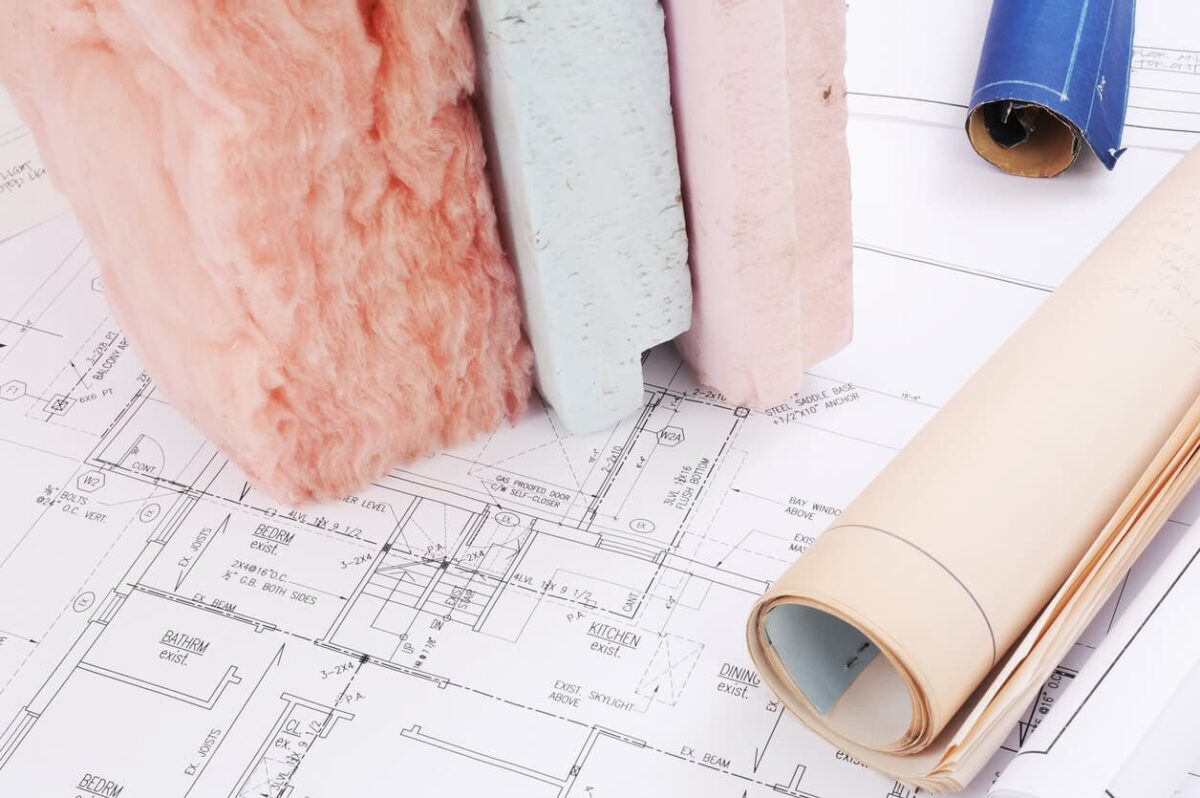
Fiberglass Insulation

When it comes to choosing insulation for your home, fiberglass insulation stands out for several reasons. Made from glass wool, it is commonly used in residential construction because it offers a good balance of affordability and availability. Fiberglass insulation come in rolls, batts, and loose-fill options and is available at most home improvement stores at an affordable price point.

Fiberglass insulation also performs well in terms of heat resistance. Fiberglass batts and rolls have R-values that meet standard construction needs. It works well when installed in walls, attics, or floors, and loose-fill fiberglass is especially good at filling irregular spaces for better coverage.

The ease of handling makes fiberglass a go-to choice for many homeowners. However, it’s important to install it correctly for optimal performance and safety. If you’re unsure, it may be helpful to seek professional guidance from Best Home Services.

Cellulose Insulation

When it comes to choosing insulation, cellulose insulation stands out for its eco-friendly features. Made mainly from recycled paper or plant fibers, this material takes a sustainable approach to home insulation, setting it apart from fiberglass insulation and foam insulation.

Cellulose is an environmentally conscious option, often boasting up to 85% recycled content. The main ingredient is usually recycled newspapers, making it a poster child for green building materials.

The design of cellulose insulation is such that it snugly fits into cavities and crevices when installed, providing exceptional thermal performance. This tight fit helps significantly reduce heat transfer and maintains consistent indoor temperatures.

Cellulose insulation comes in two types: dense-packed and spray-applied. For walls and enclosed spaces, dense-packed cellulose insulation is ideal. Installers blow in the material under pressure, which ensures that it fills even the smallest gaps, resulting in a seamless thermal barrier. In open new wall cavities, spray-applied cellulose can be used with added water or adhesive. This method not only creates a tight thermal barrier but also enhances air sealing properties by bonding the material to the framing members of the house.

The air sealing capability of cellulose insulation makes it particularly effective at stopping drafts and preventing air leakage, which are significant contributors to energy loss in homes. With proper installation, you can ensure an even more robust defense against heat flow.

Foam Insulation

Foam products, namely spray foam and rigid foam panels, are well-regarded for their high insulating value. With these materials, a superior level of thermal resistance can be achieved in a relatively thin layer. This is due to the unique properties of these foam-based insulations that can effectively slow down heat transfer, aiding in maintaining consistent indoor temperatures.

Let’s delve into the two main types of foam insulation. Spray foam insulation is an excellent choice for insulating hard-to-reach areas. When applied, the foam expands and hardens, filling gaps and creating a tight seal against air leakage. It comes in two forms: open-cell and closed-cell, with the latter offering a higher R-value but at a higher cost. Spray foam requires professional installation using specialized equipment to ensure safety and effectiveness.

Rigid foam insulation comes as solid panels of foam that can be cut to fit specific spaces. They offer an impressive R-value per inch and are ideal for insulating walls and roofs. For DIY enthusiasts, rigid foam panels may be more appealing as they can be easily cut and installed using basic tools.

With this knowledge, you’re better equipped to choose a suitable type of insulation for your home or project. But remember, it’s not just about picking the right material; proper installation plays an equally critical role in achieving optimal performance from your insulation.

Radiant Barriers

Among the various types of insulation such as fiberglass insulation, cellulose insulation, and foam insulation, radiant barriers are unique in their approach to improving home comfort. Instead of slowing down heat transfer through conduction and convection like traditional insulating materials, radiant barriers are designed to reflect radiant heat. This makes them particularly effective for homes in hot climates or those with attics that receive direct sunlight.

By reflecting the sun’s radiant energy, these barriers prevent heat gain in your living spaces during the warmer months. They work to maintain more uniform temperatures throughout your home, reducing the burden on your HVAC system.

By integrating radiant barriers into your home’s insulation plan, you contribute to a comprehensive strategy aimed at minimizing heat transfer and maintaining a consistent indoor temperature across all seasons.

The Importance of Professional Installation and HVAC System Upkeep

While it’s important to know about the different types of insulation materials, the true effectiveness of insulation in keeping your home comfortable and energy-efficient lies in how well it is installed. This is why it’s crucial to hire professionals who are skilled in fitting insulation properly.

When insulation is not installed correctly, it can lead to various issues that affect its performance:

  • Gaps and compressions: Improper installation may result in gaps or compressions in the insulation material, reducing its ability to trap air and insulate against heat transfer.
  • Inconsistent temperatures: These gaps or compressions can also cause uneven distribution of heat or cold throughout your home, leading to areas that are too hot or too cold.
  • Higher energy consumption: When insulation is ineffective, your HVAC system has to work harder to maintain a comfortable temperature, resulting in increased energy usage and higher utility bills.

In addition to proper insulation fitting, regular maintenance of your HVAC system is equally important. For example, changing your air filter on a regular basis ensures that air can flow freely through the system, reducing strain on the equipment and improving its efficiency.

Cleaning your ducts is equally important. Over time, dust, dirt, and other debris can accumulate in your ductwork, obstructing airflow and potentially affecting indoor air quality. Having your ducts professionally cleaned by Best Home Services helps remove these contaminants and allows for better system performance.

Finally, If your thermostat is not calibrated correctly, it may inaccurately sense the temperature in your home and cause your HVAC system to run more often than needed. This wastes energy and puts unnecessary wear on the equipment.

When skilled insulation fitting and regular HVAC maintenance work together, you can experience the full advantages of insulation materials in your home. Properly installed insulation and a well-maintained HVAC system help create a more consistent and comfortable indoor environment throughout the year.

By reducing heat transfer and minimizing energy loss, effective insulation combined with efficient HVAC operation can lead to lower energy consumption and cost savings on your utility bills.

When your HVAC system doesn’t have to work as hard due to good insulation and proper maintenance, it can potentially extend the lifespan of the equipment, saving you money on premature replacements.

Remember, investing in skilled insulation fitting and regular HVAC upkeep with Best Home Services is an investment in your home’s long-term comfort, energy efficiency, and durability.

Creating a Better Future for Your Home and the Environment

Making sure your home is properly insulated is key to both comfort and energy efficiency. Remember, every step you take towards making your home more energy-efficient is a step towards a sustainable future.

Use insulation materials like fiberglass, cellulose, foam, and radiant barriers to create a well-insulated space. And don’t forget to regularly maintain your HVAC system for optimal performance.

It’s time to create a future where indoor comfort meets energy efficiency. With the right insulation materials, professional installation, and diligent HVAC maintenance, your home can become the cozy haven you’ve always wanted—all while reducing energy consumption and contributing to a greener world. Get in touch with the HVAC professionals at Best Home Services today by scheduling an appointment online—your comfortable and efficient home awaits!

 FAQs (Frequently Asked Questions)

What is the relationship between indoor comfort and energy efficiency in homes?

A well-insulated space can contribute to better HVAC system performance and reduced energy consumption, ultimately leading to improved indoor comfort and energy efficiency in homes.

What are the key types of insulation discussed in this article?

The key types of insulation discussed in this article are fiberglass, cellulose, foam, and radiant barriers.

Why is fiberglass insulation popular in residential buildings?

Fiberglass insulation is popular in residential buildings due to its affordability and wide availability.

What are the main characteristics of cellulose insulation?

Cellulose insulation is known for its eco-friendly nature, often made from recycled paper or plant fibers. It works to create a seamless thermal barrier with enhanced air sealing properties.

How do foam insulation products provide superior thermal resistance?

Foam products like spray foam and rigid foam panels provide high insulating value, offering superior thermal resistance in a relatively thin layer.

Why is it important to hire experienced professionals for insulation installation?

It’s crucial to hire experienced professionals for insulation installation as improper installation can lead to performance issues and reduced effectiveness.

Time for a Home Lighting Upgrade? Signs, Benefits, and Options

Wondering if your home needs better lighting? Many homeowners struggle with lights that are too dim or too bright, outdated fixtures, or unexpectedly high energy bills. These are all signs that it might be time for a lighting upgrade.

Improving your home’s lighting isn’t just about making things look better—it’s about creating spaces that are more functional, comfortable, and energy-efficient. The average household dedicates about 15% of its electricity use to lighting, making it a smart area to consider for improvements.

In this guide from the electrical professionals at Best Home Services, you’ll learn all about how to determine if your home needs a lighting upgrade, how to choose the best options for you, and what to know about installation and safety.

Signs Your Home Lighting Needs an Upgrade

Does your home feel too dark even with all the lights on? Or maybe certain rooms are uncomfortably bright? These lighting imbalances are clear signals that your current setup isn’t working well.

Failing light bulbs

When bulbs burn out frequently, it’s not just annoying—it’s a sign that your fixtures might be outdated or incompatible with the bulbs you’re using.

Spiking energy bill

Your energy bill can tell you a lot too. If you’ve noticed unexpected increases, inefficient lighting might be part of the problem. Old incandescent bulbs use significantly more electricity than modern LED options, which use up to 90% less energy while lasting much longer.

Safety issues

Safety concerns are another important reason to consider an upgrade. Damaged fixtures, exposed wiring, or lights that flicker could pose serious risks. Outdated lighting can also create safety hazards around stairs, walkways, and entrances where good visibility is essential.

Optimizing work spaces

Think about how you use different spaces in your home. If you struggle to see clearly while cooking, reading, or working, your current lighting isn’t meeting your needs. Good lighting should support all your daily activities without causing eye strain or discomfort.

Benefits of Modern Lighting Solutions

Upgrading your home’s lighting offers many advantages beyond just better visibility. Energy efficiency is one of the biggest benefits. Modern LED bulbs not only use less electricity but also generate less heat, helping keep your home cooler in summer months and reducing the strain on your air conditioning system.

New lighting can dramatically change how your home looks and feels. The right fixtures can highlight architectural features, make rooms feel larger, and create more inviting spaces. Whether your style is modern, traditional, or somewhere in between, today’s lighting options can complement your home’s design.

Comfort and wellness are important factors too. The color temperature of your lighting affects everything from your mood to your sleep quality. Warmer lights (2700-3000K) create a cozy, relaxing atmosphere perfect for living rooms and bedrooms. Cooler lights (3500-4100K) work better in kitchens and work areas where you need to see clearly.

Modern lighting is more convenient than ever. Dimmers let you adjust brightness based on time of day or activity. Motion sensors turn lights on automatically when you enter a room and off when you leave. These features not only make your life easier but also help save energy by ensuring lights are only on when needed.

Understanding Different Lighting Types for Your Home

Different spaces in your home need different types of lighting. Ambient lighting provides general illumination that helps you navigate safely. Task lighting focuses on specific areas where you need better visibility for activities like reading, cooking, or crafts. Accent lighting highlights special features like artwork or architectural elements.

For kitchens, under-cabinet lighting makes food preparation safer and easier. Pendant lights over islands or dining areas provide focused light while adding style. In living rooms, a mix of floor lamps, table lamps, and ceiling fixtures creates a layered effect that’s both functional and inviting.

Bathrooms benefit from lighting around mirrors that minimizes shadows on your face. Hallways and staircases need reliable lighting for safety, while bedrooms often call for softer, adjustable options that can change with your activities from reading to relaxing.

Outdoor lighting serves multiple purposes. Path lights help prevent trips and falls, while security lighting deters unwanted visitors. Landscape lighting showcases your garden and creates beautiful nighttime views from inside your home.

Choosing the Right Outdoor Lighting for Your Property

Now that you’ve got a handle on indoor lighting options, it’s time to step outside. Outdoor lighting brings both beauty and safety to your property. With the right outdoor lights, you can highlight your home’s best features, light up pathways for safety, and create a welcoming atmosphere for guests.

Security lighting

Security lighting is often the first consideration for homeowners. These bright, motion-activated lights help keep your property safe by illuminating dark areas where intruders might hide. Place security lights near entry points like doors and garages, as well as along the sides of your home. Look for fixtures with adjustable settings so you can control how sensitive the motion sensors are. Many newer models can be set to turn on at dusk and off at dawn automatically.

Pathway and landscape lighting

Garden and pathway lights add both safety and beauty to your outdoor spaces. Low-voltage landscape lighting uses much less electricity than standard lighting while creating a warm glow that guides visitors safely along walkways. Solar-powered path lights are another great option since they don’t require any wiring. Just place them in sunny spots, and they’ll charge during the day and light up automatically at night.

Decorative lighting

Adding personality to your outdoor areas is easy with decorative lighting. String lights across a patio or deck create a festive atmosphere perfect for entertaining. Wall sconces beside your front door make a stylish statement while providing necessary illumination. Even simple lanterns placed on tables or hanging from trees can transform your yard into a magical space after dark.

When shopping for outdoor fixtures, always look for ones rated for outdoor use. These fixtures are designed to withstand rain, snow, and temperature changes. Weather-resistant materials like brass, copper, and powder-coated aluminum last much longer than cheaper alternatives. While they cost more upfront, you’ll save money by not having to replace them every few years.

Smart Technology for Better Lighting Control

One of the biggest advances in home lighting is the growth of smart technology. Today’s smart lighting systems give you control that wasn’t possible just a few years ago. Instead of just flipping a switch, you can use your phone or voice commands to adjust your lights from anywhere.

Smart light bulbs

Smart bulbs are the easiest way to get started with intelligent lighting. These LED bulbs connect to your home’s WiFi network and can be controlled through a smartphone app. Many can change colors, dim to different levels, and be set on schedules. Imagine coming home to lights that turn on automatically as you pull into the driveway or having your bedroom lights gradually brighten to wake you up naturally in the morning.

Motion sensors

Motion sensors take convenience to another level by turning lights on automatically when you enter a room and off when you leave. This is especially helpful in areas like closets, hallways, and bathrooms where people often forget to turn off lights. Some sensors can even tell the difference between people and pets, so your cat won’t trigger the lights during nighttime wanderings.

Hub systems

For homes with multiple smart devices, hub systems let you create coordinated lighting scenes. With a single command, you could set a “movie night” scene that dims the living room lights, turns off hallway lights, and turns on a small lamp by the TV. Or create a “good morning” routine that gradually brightens bedroom lights while turning on kitchen lights for breakfast preparation.

Most smart lighting systems can be installed without major rewiring. Smart bulbs screw into existing fixtures, while smart switches replace standard wall switches. If you’re not comfortable with electrical work, some companies make plug-in smart outlets that can control lamps and other plug-in lighting.

Remember that while smart lighting offers amazing convenience, it does depend on your home’s internet connection. If your WiFi goes down, you’ll need physical switches as backup. The good news is that most smart lighting still works with regular wall switches too, giving you the best of both worlds.

Installing new lighting, especially if it involves electrical work, can be tricky. While changing a light bulb is something most homeowners can handle, installing new fixtures or rewiring should usually be left to professionals from Best Home Services who understand electrical safety codes and requirements.

Making the Most of Your Smart Lighting System

Now that you’ve installed your smart lighting, it’s time to make it work for you. Smart lighting isn’t just about turning lights on and off with your phone—it’s about creating a more comfortable, convenient, and secure home environment. With a few simple setups, you can transform how you use lighting throughout your home.

Voice controlled systems

Voice control is one of the most popular features of smart lighting systems. By connecting your lights to voice assistants like Amazon Alexa, Google Assistant, or Apple HomeKit, you can control your lights without lifting a finger. Try simple commands like “turn off the living room lights” or more complex ones like “dim the bedroom lights to 30%.” This hands-free control is perfect when you’re carrying groceries, dealing with kids, or just relaxing on the couch.

Remote access systems

Remote access adds another layer of convenience to your smart lighting. With most systems, you can control your lights from anywhere using your smartphone. Forgot to turn off lights before leaving for vacation? No problem—just open the app and switch them off. Or turn them on before you arrive home so you never have to enter a dark house. Some apps even let you check which lights are currently on, helping you save energy when you’re away.

Lighting apps

Creating lighting routines makes daily life smoother and more pleasant. Most smart lighting apps let you set schedules for your lights to turn on and off automatically. Program your kitchen lights to turn on at 6 AM for your morning coffee, or have your porch light come on at sunset and turn off at sunrise. You can even program gradual wake-up routines where your bedroom lights slowly brighten in the morning, mimicking a natural sunrise.

Home security

Smart lighting also improves home security in several ways. When you’re away, you can set lights to turn on and off at random times to make it look like someone’s home. Some systems even have “vacation mode” that learns your typical usage patterns and mimics them while you’re gone. Motion-triggered lighting for outdoor areas adds another layer of security by automatically illuminating dark spots when movement is detected.

Customizing Lighting for Different Activities

One of the biggest benefits of smart lighting is being able to create the perfect atmosphere for any situation. Instead of just “on” or “off,” you can adjust brightness, color, and even which lights are active to match what you’re doing.

For movie nights, program a scene that dims your living room lights to reduce glare while keeping a small light on near steps or walkways for safety. When entertaining guests, brighten social areas while adding some colorful accent lighting to create a festive mood. For dinner time, set a warm, medium-brightness scene over your dining table that makes food look appetizing while creating a relaxed atmosphere for conversation.

Color-changing smart bulbs add even more options. Many LED smart bulbs can display millions of colors and different shades of white light. Cooler, bluish-white light (around 5000K) helps keep you alert and focused during work or study time. Warmer, yellowish light (around 2700K) is more relaxing and better for evenings when you want to wind down. Some systems can even automatically adjust color temperature throughout the day to match natural light patterns, which may help with sleep and energy levels.

Brightness control is another powerful feature. Full brightness isn’t always what you want—sometimes a softer glow is more comfortable. With smart dimmers, you can set lights to exactly the level you need, whether that’s 100% for cleaning or 20% for a relaxing evening. Many systems let you group lights together so you can control multiple fixtures with a single command.

Troubleshooting Common Smart Lighting Issues

Even the best smart lighting systems sometimes run into problems. Knowing how to fix common issues will help you get the most from your investment. If your lights aren’t responding to commands, first check if they’re connected to your home network. Sometimes a simple router restart solves connection problems. Make sure your smart hub or bridge (if your system uses one) is powered on and properly connected too.

Delayed response time can be frustrating when your lights take several seconds to react to commands. This usually happens when your WiFi signal is weak in certain areas of your home. Try moving your router to a more central location or adding a WiFi extender to boost the signal. Some systems also work better when the hub is placed centrally in your home.

If your smart bulbs seem to turn on by themselves or flash unexpectedly, check your settings. Sometimes automated routines or motion sensors can trigger lights when you don’t expect them to. Review and adjust your programmed schedules and sensitivity settings as needed. Also, make sure family members know how the system works—a common “ghost light” situation happens when someone else in the house controls lights from their phone.

When new devices won’t connect to your existing system, compatibility might be the issue. Not all smart products work with every platform. Before buying new smart lighting products, check that they’re compatible with your current system. Most manufacturers list compatible platforms on their packaging or website.

Remember that technology evolves quickly. Keep your apps and firmware updated to ensure you have the latest features and security protections. Most smart lighting systems will notify you when updates are available, and installing them usually takes just a few minutes.

Conclusion

Smart lighting brings together convenience, efficiency, and personalization in ways that transform how we experience our homes. From setting the perfect mood for any activity to enhancing security while you’re away, these systems offer benefits that go far beyond basic illumination. The ability to control your lighting through voice commands, schedules, and remote access puts you in charge of your home environment like never before.

If you’re ready to change up your home’s lighting, either for functional, safety, or decorative reasons, give the professional electricians at Best Home Services a call or book an appointment online today.
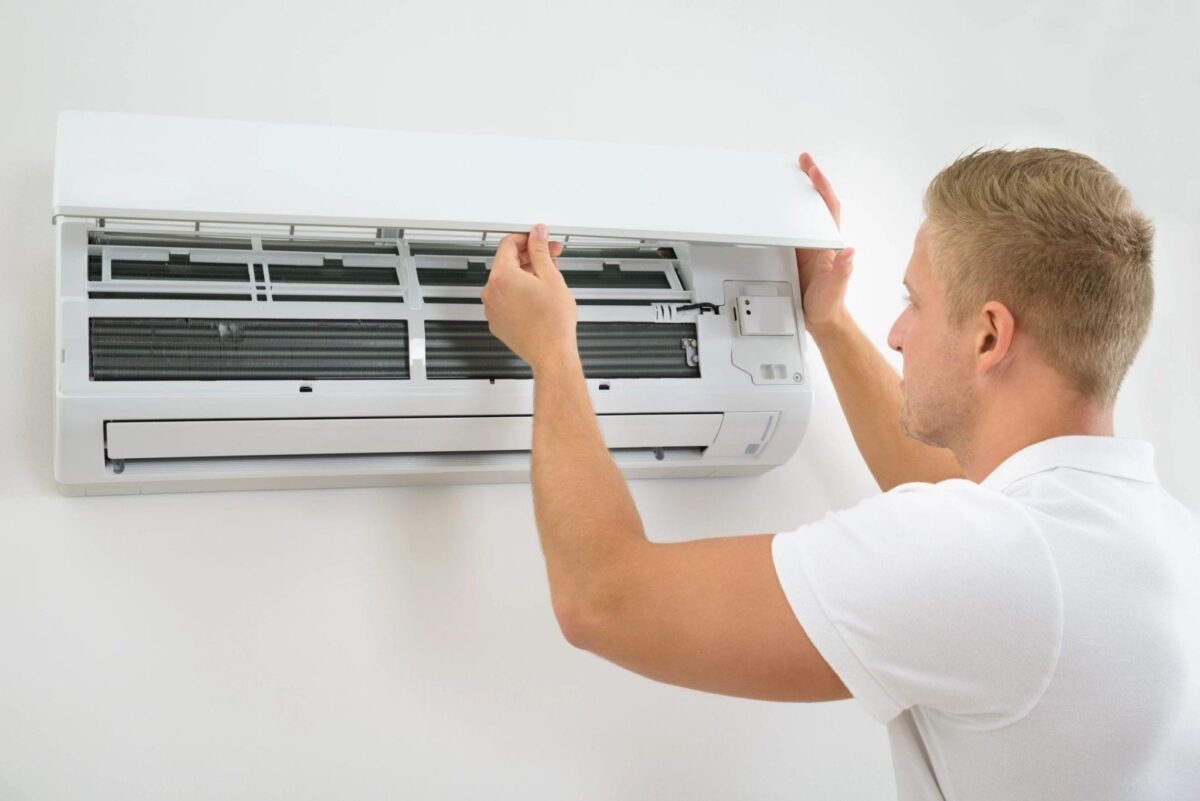
A Guide to Mini Split AC Systems: How to Make the Right Choice for Your Home

Choosing the most efficient air conditioning system can be a daunting task for homeowners due to the wide variety of options available. From traditional systems to window units to newer options like ductless mini split system, you have many options and parameters to consider. This article focuses on two prominent options—the mini split AC and the conventional central air conditioning systems. How can one determine which is the best fit for their home? We explore how they work and the advantages of the mini split or ductless air conditioner, and draw comparisons with traditional AC systems. This information should help you make a knowledgeable choice, aiming at increased home comfort, energy efficiency, and possible reduction in energy bills.

The Functionality Behind Mini Split AC Systems

A ductless mini split air conditioning system, as its name suggests, operates independently from conventional ductwork. This system has two main parts: an external condenser/compressor, and one or several interior air-handling units. The essential connections like the power cable, refrigerant tubing, suction tubing, and condensate drain conduit, are contained within a conduit linking these units, ensuring a simplified installation process.

The notable advantage of this setup is that it negates the need for extensive ductwork, which can be particularly advantageous in buildings where implementing ductwork poses difficulties, or when additions to homes cannot integrate seamlessly with the existing ductwork. The individual indoor units afford homeowners the flexibility of cooling or heating particular areas or rooms, making the system adaptable to a variety of residential layouts.

By eliminating the traditional duct framework, the ductless mini split system addresses a prevalent inefficiency in forced-air systems – energy loss during air transportation through ducts often situated in non-conditioned spaces. This removal leads to enhanced energy efficiency. The ability of this system to provide focused heating and cooling amplifies its usefulness as a modern, adaptable solution for efficient and customizable residential climate management.

Reasons to Consider a Mini Split System

Ductless air conditioning systems provide exceptional adaptability, attending to each family member’s unique comfort requirements. These systems permit specific zones to independently heat or cool, leading to precise temperature control throughout your house. The result is improved personal comfort and overall contentment. The zoning function not only enhances the quality of life by customizing the living environment, but also encourages substantial energy conservation by preventing unnecessary heating or cooling of vacant spaces.

One of the distinctive merits of ductless systems is their minimalistic and flexible layout. Indoor units are elegantly designed and can be subtly fixed onto walls, ceilings or integrated into dropped ceilings. Such installations ensure that they meld effortlessly with a room’s décor. This is in stark contrast to window units which can be obtrusive and visually unappealing, therefore, ductless systems provide a solution that balances visual attractiveness with functional efficiency.

In addition, ductless air conditioning systems function exceptionally silently. Unlike the high noise levels often generated by conventional and window AC units, ductless systems maintain a tranquil indoor environment. The outdoor compressor, the chief source of noise, is located outside the dwelling, thus preserving the indoor peace. The reduced noise level is notably advantageous in bedrooms, home offices, or any space where minimal disturbance is vital for relaxation and focus.

Energy Efficiency and Lower Energy Bills

A key advantage of choosing a mini-split AC system lies in its exceptional energy efficiency. This efficiency results largely from the advanced inverter technology in these units, which curtails energy use. Traditional systems often work in an all-or-nothing way, while mini-split units adapt compressor speeds to the home’s instantaneous heating or cooling demands. This capacity guarantees a stable and agreeable indoor environment, while also diminishing energy usage significantly.

Ductless design additionally enhances the system’s efficiency. Traditional systems often experience substantial energy loss due to duct inefficiencies, like leaks and unregulated spaces. Mini-split units, being ductless, eradicate these complications, offering a more direct and potent method of controlling home temperature. This can lead to considerable reductions in energy costs.

The zoning capacity inherent to ductless systems facilitates energy use only where and when necessary. This selective methodology curbs the inefficiency of heating or cooling vacant rooms, a typical issue with centralized systems. The exactness and control rendered by mini-split units improve comfort while reducing surplus energy use.

The aforementioned energy-saving traits render ductless mini-split systems an ecologically sound choice, aligning with current sustainability objectives while satisfying homeowners’ needs for reduced operating costs. This seamless blending of advanced technology, ductless design, and zoned climate regulation positions mini-split AC systems as a frontrunner for those seeking energy efficiency and lowered energy costs in their home climate control approach.

How Mini Split Systems Compare With Traditional AC and Window Units

Comparing mini split systems with traditional AC systems and window units, a few significant contrasts emerge, primarily relating to installation, efficiency, and their overall effect on a home. Despite the seemingly high initial cost of mini split systems, they tend to justify this expenditure through their considerable energy savings and dual-purpose (heating and cooling) functionality. These systems could even replace an additional heating system in areas experiencing milder winters.

Distinctly less obtrusive than bulky window units, mini splits don’t require a window for installation, hence preserving both the aesthetics and security of your home. In terms of energy efficiency, mini splits stand out, delivering considerable energy conservation due to their advanced inverter technology and lack of ductwork-related energy losses— a common issue in conventional systems.

As for air circulation and temperature balance, mini splits offer a more steady and adjustable solution across various zones in a house, without the draftiness that accompanies window units. This enables personalized comfort levels, a welcome departure from the generic approach of central air systems and the limited scope of window ACs.

Notably, mini splits generate significantly less noise compared to traditional and window units. With their outdoor compressor, which produces most of the operational noise, positioned outside the house, indoor noise is drastically reduced. This contributes to a calmer, more comfortable home atmosphere.

Calling In the HVAC Pros for Installation and Maintenance

A certified HVAC technician’s expertise is essential for your ductless mini split system to operate at its best, both during the installation process and routine maintenance. Installation done by a professional is critical not only for optimal performance, but also for preventing potential dangers like electrical issues or leaks of refrigerant. These technicians have in-depth knowledge of the specific requirements of mini split systems, such as appropriate location for indoor and outdoor units, maintaining efficient air circulation, and setting up secure connections between the components. Such careful methodology helps comply with strict building regulations and manufacturing specifications, disregarding which might negatively impact the system’s effectiveness and your safety.

Scheduled maintenance by an expert is just as significant in prolonging your mini split AC’s durability. With time, even the strongest systems can experience wear and tear, causing efficiency to drop or unexpected malfunctions. An annual evaluation by a professional HVAC technician can foresee these problems, facilitating timely substitution of worn-out parts, filters’ cleaning, and identifying any leakages or blockages. Taking these steps ahead of time ensures your mini split system remains as efficient as the day it was installed, while also protecting your investment from potential expensive repairs in the future. Engaging a professional from Best Home Services for installation and consistent maintenance is the core of a reliable, efficient, and secure heating and cooling solution for your home.

The Final Verdict: Is a Mini Split System Right for Your Home?

Choosing the perfect air conditioning system involves various considerations such as your home’s design, your comfort preferences, and your budget. Mini split systems excel in situations where energy efficiency, targeted temperature control, and versatility are key priorities. They are an excellent solution for houses without ductwork, compact areas, or extensions where traditional ducted systems are impractical. Although the initial cost of mini split systems can be higher than other choices, the tailored comfort and energy efficiency they provide may yield substantial savings on utility bills over time.

Consider also the design benefits and functional attributes of mini split systems. Their modern, subtle design and noiseless operation can enrich your living space without disrupting your interior style or peace. Their ability to offer both heating and cooling within a single system adds convenience and further cost benefits, particularly in regions with milder weather conditions.

As you navigate this decision, the expertise of the HVAC professionals from Best Home Services is invaluable. They can provide an in-depth assessment of your unique needs, ensuring that your final choice, whether a mini split or a different AC system, is the perfect fit for your home. It’s essential to remember that an air conditioning system’s effectiveness is not solely reliant on its model, but also on professional installation and ongoing maintenance, reinforcing the necessity of professional guidance from the beginning.

Smart Thermostats –How to Take Control of Your Home’s Temperature

Ever felt too chilly or hot at home? With smart thermostats, you can regulate your home’s climate effortlessly! These advanced gadgets promise a multitude of benefits such as energy conservation, lower energy expenditures, and straightforward usage. By learning and adapting to your preferred temperatures, they help keep your living spaces consistently cozy. Added perks like remote regulation and scheduled programming enable you to manage temperatures, even when you’re not present. Smart thermostats assure a cool summer, warm winter, all while curbing your energy costs. No surprise that they’re rapidly becoming a household staple.

An Introduction to Smart Thermostats

Smart thermostats are not merely a technological novelty; they represent a shift in how we regulate our indoor climates. These devices are essentially highly sophisticated thermostats, enabling us to manage and monitor home temperatures with innovative technology.

Moving beyond the manual temperature adjustment that traditional thermostats offer, smart thermostats provide an enhanced level of control and automation. They come packed with features such as sensors, wireless connectivity, and ingenious software that enable these devices to learn your preferences and respond by adjusting temperatures accordingly.

What distinguishes smart thermostats is their capability to recognize and adapt to your everyday routines, like your departure for work or bedtime. This takes away the tedious task of temperature adjustment every time you leave or retire for the day since the smart thermostat efficiently does it for you, ensuring optimal temperature at all times.

A significant bonus feature of smart thermostats is remote access via smartphone apps. Now you can manage your home’s temperature even when you’re not there. Forgot to reduce the heating before heading out for a vacation? No worries. Simply launch the app and manage the temperature from your current location.

Smart thermostats represent a leap forward in home temperature regulation. They bring the triple advantage of automation, convenience, and energy efficiency, thanks to their learning capabilities and remote access features. If you’re looking for a more intelligent way to regulate your home’s temperature, it is worth exploring the option of a smart thermostat.

Energy Efficiency and Smart Thermostats

Smart thermostats offer a multitude of advantages in energy efficiency that can significantly help you cut down your ecological footprint and lower energy costs. These groundbreaking gadgets are programmed to learn your routines and your preferences, and to identify your lifestyle patterns. This allows them to fine-tune the indoor climate for optimal energy efficiency.

By monitoring your day-to-day activities and modifying the temperature accordingly, these intelligent thermostats ensure energy isn’t squandered on heating or cooling during times when you’re not home or asleep. They have the ability to automatically lower the heat or AC when you depart for work, and to initiate a warm-up or cool-down phase prior to your return. This means you always come back to a comfortable setting without needless energy use.

Another feature of these thermostats is their ability to detect when the house is vacant, subsequently adjusting the temperature to an energy-conserving setting. This not only eliminates energy waste in an uninhabited house, but also aids in further reducing energy excess.

What’s more, these thermostats regularly provide detailed reports on energy usage and tips on enhancing energy efficiency. These insights enable you to make informed energy decisions and spot areas with potential for more energy savings.

On balance, the benefits in terms of energy efficiency make smart thermostats a good acquisition for any homeowner. Using advanced technology and sophisticated learning algorithms, these devices help you decrease your energy consumption, lower your carbon emissions and eventually cut down on energy bills. With an intelligent thermostat, you can ensure your home is comfortable while remaining environmentally responsible. Get in touch with the HVAC pros at Best Home Services to discuss your options.

Lower Your Energy Bills Smart Thermostats

As energy costs fluctuate, particularly during seasons of extreme weather, maintaining manageable bills can seem a daunting task. Integrating a smart thermostat into your household can alleviate such concerns. By harnessing the capabilities of these intelligent gadgets, you can significantly pare down your energy expenditure. But how exactly do these devices help to curb your utility bills?

At the core, smart thermostats are engineered to fine tune your household’s energy consumption. Their artificial intelligence can familiarize itself with your routine and adapt accordingly. So, whether you’re napping, at work, or on vacation, these thermostats intuitively adjust the temperature. For instance, suppose your workday begins at 8 am. Recognizing this, your smart thermostat would automatically adjust your home’s temperature up or down to conserve energy. However, as your return time approaches, it would steadily crank the heat or AC back up, ensuring a comfortable, inviting ambiance without wasting energy.

The appeal of smart thermostats doesn’t end there. A core function of many of these devices is an ‘away from home’ feature. Automatically switching to a minimal power setting ensures no energy is wasted during your absences, optimizing power usage and further streamlining your expenses.

Smart thermostats go above and beyond by providing comprehensive energy usage analytics and potential energy-saving tips. These periodic reports offer a detailed insight into your power consumption patterns, empowering you to make data-backed decisions. Utilizing these reports can assist you in identifying key areas of power overuse, subsequently enabling you to make necessary adjustments and tighten up on wastage. This incremental optimization compounds over time, potentially leading to considerable savings.

In conclusion, having a smart thermostat in your home is an investment that reaps bountiful returns in the long run. By precisely regulating temperature, minimizing waste, and providing insightful usage analytics, these devices play a crucial role in energy conservation and bill reduction.

Easy to Use Features of Smart Thermostats

Smart thermostats not only offer noteworthy energy efficiency and substantial cost-saving advantages, but they are remarkably simple to operate as well. What sets them apart and makes them exceptionally user-friendly are their instinctive interfaces. The majority of these advanced thermostats are equipped with legible screens and straightforward navigation options. This design element ensures the ease of temperature modifications and the effortless accessibility of additional settings.

Furthermore, the compatibility of smart thermostats with voice control devices such as Amazon Echo or Google Home enhances their user-friendly nature. This allows for temperature adjustments within your living spaces through just a few uncomplicated voice commands, without requiring any physical contact with the thermostat. Such hands-free control is not merely a convenience, but also injects a touch of contemporary style into your household.

To add to this convenience, many smart thermostats come with an associated mobile app that grants you control over the thermostat regardless of your location. Whether you find yourself in a different part of the house or miles away from it, you can make simple temperature modifications, schedule settings, and monitor your energy usage with just a few taps on your smart device.

With regards to the installation process of smart thermostats, it is incredibly simple and trouble-free. Most models provide clear instructions that allow any individual, irrespective of their technical prowess, to install the thermostat single-handedly. Within minutes, you can have your intelligent thermostat installed and operational, ready to regulate your home’s temperature efficiently.

For professional advice on choosing and installing a smart thermostat for your home, get in touch with the Naples HVAC professionals at Best Home Services for a consultation today.

HVAC Zoning Systems: Take Control of Your Home’s Comfort

Ever found yourself continually adjusting the thermostat as you move through your home? Or perhaps, despite your best efforts, your home just doesn’t seem as comfortable as you’d like. It may be time to consider an HVAC zoning system. These systems enable you to customize the temperature in each room of your house, providing comfort regardless of your location. This doesn’t just heighten your comfort, but also presents potential savings on your energy bills. Innovative HVAC technology can discern when rooms are vacant, adjusting the heat or cooling accordingly, which also boosts energy efficiency. Embracing an HVAC zoning system allows you to take the reins of your comfort while promoting an energy-smart household. To learn more, reach out to the Naples HVAC specialists at Best Home Services for installation guidance and tips.

The Basics of HVAC Zoning Systems

HVAC zoning systems can be a great addition to your home for numerous reasons. First off, they facilitate customized temperature regulation within individual rooms in your house. The conventional method of setting a single temperature that may not satisfy everyone’s preferences is becoming obsolete. HVAC zoning systems enable each household member to determine their preferred temperature, promoting optimum comfort and satisfaction for everyone.

Another critical aspect of HVAC zoning systems is their energy efficiency. Their selective cooling and heating ability, based on room usage, means less wasted energy on empty spaces. The result is a considerable reduction in energy consumption and a subsequent decrease in your energy bills and carbon emissions. In an era of escalating energy prices and heightened environmental consciousness, an energy-conserving HVAC system becomes an invaluable asset.

A further advantage of HVAC zoning systems is their ability to control variable temperatures in your home. The independent temperature regulation capability in each room enables maintaining a consistent level of comfort throughout your house. No longer will you experience the discomfort of freezing in one room and sweltering in another!

To summarize, HVAC zoning systems are essential as they ensure personalized comfort, promote energy conservation, and eradicate varying temperature areas in your house. Investing in an HVAC zoning system empowers you to manage your comfort and achieve an ideal climate in each room of your dwelling.

HVAC Zoning Systems: How Do They Work?

An HVAC zoning system operates by segmenting your home into distinct areas or ‘zones,’ each equipped with a separate thermostat and control. The system enables you to manage the temperature within each zone individually according to your requirements and comfort.

The core functionality of the zoning system relies on dampers that are situated in the ductwork. These dampers open and close to control the distribution of airflow into each zone. When a thermostat within a specific zone identifies the need for heating or cooling, it communicates with the system. The dampers react by adjusting to channel the conditioned air towards that specific zone.

Moreover, sensors positioned throughout the residence also play a pivotal role in the system. They detect occupancy and activity patterns and provide the system with data necessary to ascertain which zones require heating or cooling at different times. This optimizes the system’s energy efficiency.

With modern smart home technology enhancements, HVAC zoning systems can now be remotely managed via smartphone apps or voice commands. This allows for adjusting the temperature of each zone from virtually anywhere, ensuring full control over your home’s comfort and energy consumption.

Understanding the operation of HVAC zoning systems enables you to make well-informed decisions regarding their installation and usage in your home. This ensures personalized comfort and promotes energy efficiency across your living space.

The Benefits of HVAC Zoning Systems

Implementing HVAC zoning systems has multiple benefits that considerably enhance your home’s comfort while boosting energy efficiency. A primary advantage of these systems is individualized cooling in each room. Each resident can set their preferred temperature, ensuring satisfaction and comfort for all.

Another noteworthy benefit is of HVAC zoning systems is their energy efficiency. By cooling or heating only the occupied rooms, energy wasted on vacant spaces is eliminated. This translates into significant reductions in your energy expenditures, alongside lessening your carbon footprint. Given the escalating energy prices and rising consciousness towards environmental preservation, an energy-efficient HVAC system has become crucial.

Besides individualized comfort and energy conservation, HVAC zoning systems also eliminate the inconsistency of hot and cold areas within your home. Having individual temperature regulation for each room allows for a uniform comfort level throughout your entire dwelling.

Investing in an HVAC zoning system offers many benefits, like personal comfort, energy conservation, and the eradication of temperature inconsistencies. By harnessing the power of HVAC cooling zones, you can gain control of your comfort and curate the perfect climate for every room within your home. So, why not upgrade your home’s comfort and efficiency by introducing an HVAC zoning system? Get in touch with the HVAC experts at Best Home Services to schedule a consultation.

Smart Technology and HVAC Zones

Innovative HVAC technology is transforming how we manage and regulate our home’s climate systems. This progressive HVAC technology affords greater energy efficiency and enhances our domestic comfort.

A pivotal aspect of this advanced HVAC technology is its capacity to recognize when rooms are occupied and modify the heating or cooling as needed. The system is programmed to automatically tweak the temperature, based on your preferences and presence, ensuring optimal thermal comfort.

Further, this cutting-edge HVAC technology allows you to control your climate system via mobile apps or vocal directives. This level of convenience doesn’t just boost your comfort; it also aids in energy conservation and diminishing your carbon footprint.

HVAC Zoning Systems—Installation and Maintenance Tips

After choosing to implement an HVAC zoning system, understanding the right way to install and upkeep it for the best output is vital. Here’s a handful of handy tips on installation and preservation to remember.

Consult an HVAC Expert: For the installation of your HVAC zoning system, it’s imperative to seek professional help. The Naples HVAC specialists at Best Home Services possess the know-how to devise and establish your system to assure optimal air distribution throughout your home’s zones. Additionally, their advice on dampers and sensors positioning can augment both comfort and energy savings.

Scheduled Checks and Upkeep: Keeping your HVAC zoning system in pristine condition requires periodic inspections by an HVAC expert. Their professional eye can spot potential issues, clean or replace air filters, and check the dampers, forestalling any significant complications, thereby ensuring efficiency and durability of your system.

Follow Manufacturer’s Instructions: Take the time to understand the manufacturer’s recommendations for your HVAC zoning system’s installation and upkeep. HVAC professionals know how to follow these guidelines to avoid improper setup and prevent any possible harm to your system.

Care for Dampers and Sensors: Make sure to consistently clean and maintain your system’s dampers and sensors. Accumulated dust and debris could potentially impede their function, affecting the smooth operation of the HVAC system. Regular cleaning helps prevent these airflow obstacles.

Stay Up to Date On Technological Advances: Stay informed about the most recent software and technological updates for your HVAC zoning system. As manufacturers often issue updates aimed at enhancing system performance, being aware of these can let you take advantage of any new features or advancements.

By following these installation and maintenance tips, you can ensure that your HVAC zoning system operates efficiently, providing personalized comfort and energy savings through HVAC cooling zones. Remember, consulting an HVAC professional is crucial for proper installation and maintenance, so don’t hesitate to reach out to us at Best Home Services for guidance.