



Do I Need a Water Softener?

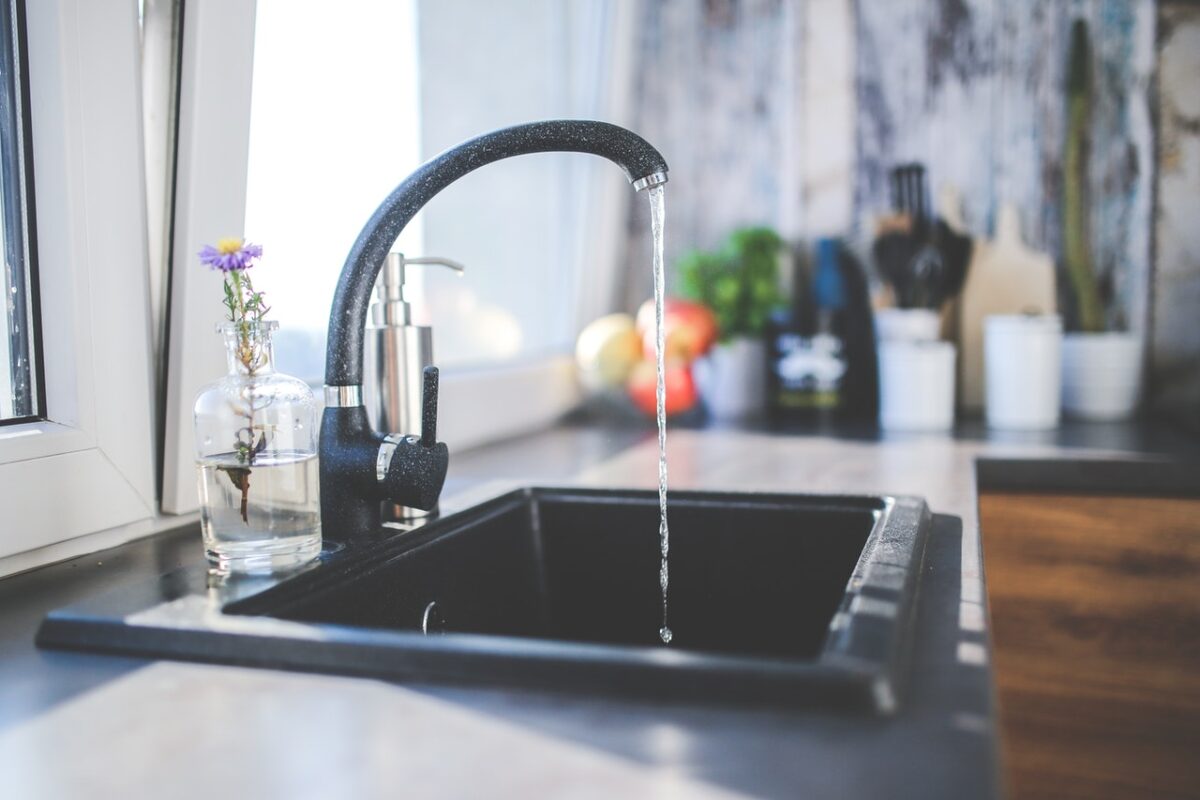
Hard water, soft water—does it matter? Water is, of course, a necessity in our homes, but hard water can be a nuisance. Depending on where you live, a water softener may dramatically benefit your family.
In this guide you’ll learn what hard water is and the benefits of water softeners from our team at Best Home Services!
What is Hard Water?
Water is “hard” when it contains a great number of dissolved minerals. Minerals like calcium and magnesium can cause soap deposits in the bathtub, dull-looking white laundry, spots on dishes, and scaly deposits inside your showerheads, faucets, and appliances that can eventually restrict water flow.
Calcium, magnesium, bicarbonates, and sulfates must be removed by a water softening system to avoid damage to your skin, home appliances, and plumbing.
How Do Water Softeners Work?
A water softening system removes negative ionic minerals from hard water, replacing them with positive ions. By removing the calcium and magnesium ions in your home’s water and replacing them with positive sodium or potassium ions, this system transforms hard water into softer water.
Water softeners can use up to 25 gallons of water a day, so it is important to determine the hardness of your water before having a water softener installed.
Water softeners cost between $1,000-$2,000 and can last up to 15 years.
If I Have City Water, Do I Need a Water Softener?
Rural homeowners almost always need water softening. If you live in the city, you might also need a water softener. More than 85% of homes in the United States have hard water.
The best way to determine if you have hard water is to have your water tested by a plumbing technician from Best Home Services, or you can purchase a DIY testing kit. You can also check the hardness of your water by contacting your utility company.
Water is classified according to grains per gallon (gpg) of dissolved calcium carbonate found in the water:
- 0–3 gpg: Water does not require softening.
- 3–7 gpg: Water is moderately hard and can cause spotty dishes and dry skin.
- 7–11 gpg: Water is hard, resulting in mineral build-up on faucets and inside pipes as well as spots on dishes and red rings in sinks from excess iron.
- 11–15 gpg: Water is very hard and will exhibit the signs of hard water all the time.
Any reading over 15 gpg entails extremely high levels of minerals.
Southwest Florida’s water is on the higher end of the scale, with some cities testing in at 7-11 or higher. To experience the benefits of softened water in your home, call our team at Best Home Services today.
The Benefits of Water Softeners
The benefits of incorporating a water softener into your plumbing system are many and include:
Less Detergent Used for Laundry
A water softener can help your washing machine run more efficiently. When you have hard water, your clothing may look dull, feel rougher to the touch, or come out of the wash not fully clean. In this case, you’ll end up using more detergent and fabric softener.
Soft water allows the detergent to lather more easily and can save you as much as 50% of your detergent.
Energy Costs Will Be Lower
Water softening systems can improve your water heater’s efficiency and its lifespan as you won’t have to deal with mineral accumulation. You also won’t have to use as much hot water in the shower to clean your skin and hair, thus saving on energy and utility costs.
You’ll Find Fewer Stains
The minerals found in hard water can leave behind deposits that stain household items like clothing, silverware, cups, and sinks. This can make cleaning a real headache. With a water softener, you can avoid this problem with hard water deposits or stains on your household items.
Healthier Skin and Hair
The truth is, the minerals in hard water dry out your skin and hair. In untreated water, they form a layer of film that makes your skin dry and your hair dull. After installing a water softener, you will notice that your skin and hair are softer and that it is much easier to moisturize.
You’ll Use Less Water
Thanks to scale and soap that doesn’t lather properly, you’ll need a lot more hard water to get clean. You might be surprised at how much less water you use after installing a water softener.
Understanding City Water and Water Softeners
Ever wondered if you need a water softener with city water? While many people think city water is already treated and perfect, that’s not always true. City water treatment focuses on making water safe to drink by removing harmful bacteria and contaminants. But this process doesn’t always address water hardness.
Water hardness varies widely depending on where you live. Your local water treatment plant might deliver perfectly safe drinking water that still contains high levels of calcium and magnesium—the minerals that make water “hard.” More than 85% of homes in America have hard water, including many on municipal water systems.
How to Know if Your City Water is Hard
You don’t need fancy equipment to spot the signs of hard water in your home. Look for these common indicators:
- White spots on dishes and glassware after washing
- Soap scum buildup in sinks and bathtubs
- Reduced water pressure from scale buildup in pipes
- Stiff, scratchy laundry even after washing
- Dry skin and dull hair after showering
The most reliable way to determine your water hardness is to get it tested. Many water utility companies can provide hardness information for your neighborhood. You can also purchase simple DIY test kits from hardware stores or have a professional water analysis done.
Types of Water Softeners for City Water
If you discover your city water is hard, several types of water softeners can help. The most common system uses ion exchange technology, where calcium and magnesium ions are swapped for sodium or potassium ions as water passes through resin beads in the softener tank.
Salt-free conditioners are another option. Rather than removing hardness minerals, they change their structure so they don’t stick to surfaces. These systems don’t technically “soften” water but help prevent scale buildup.
For those concerned about drinking softened water, dual-tank systems or bypass valves allow you to soften only the water going to certain fixtures in your home. This gives you soft water for washing and bathing while keeping your drinking water untreated.
Installation and Maintenance Considerations
Water softeners for city water typically cost between $1,000 and $2,000 for purchase and installation. The exact price depends on your water hardness level, home size, and the type of system you choose.
Most systems require regular maintenance. Salt-based softeners need salt replenishment every few weeks to months, depending on your water usage and hardness level. The resin bed may need occasional cleaning to remove iron buildup or other contaminants not caught in the regeneration process.
Water softeners use water during the regeneration cycle—typically about 25 gallons per cycle. This small increase in water usage is often offset by the benefits of using less soap and detergent and extending the life of your appliances.
Important Considerations Before Installing a Water Softener
When deciding if you need a water softener for your city water, there are several important factors to consider beyond just the benefits. While water softeners offer many advantages, they also come with certain drawbacks and considerations that might affect your decision.
Sodium Content and Dietary Concerns
Traditional salt-based water softeners replace calcium and magnesium with sodium ions. This process adds sodium to your water supply, which may be a concern if you’re on a sodium-restricted diet. For every grain of hardness removed, a water softener adds about 8mg of sodium per gallon. In very hard water areas, this can add up quickly.
For those with health concerns, there are several options to consider. You can install a separate drinking water line that bypasses the softener, use potassium chloride instead of sodium chloride (though it costs more), or look into salt-free alternatives. Remember that even softened water typically contains less sodium than many foods we eat regularly, but it’s still worth considering if you have specific health needs.
Environmental Considerations
Water softeners impact the environment in several ways. During regeneration, they discharge salt brine into the sewage system. This salty water can be problematic for wastewater treatment plants and may eventually reach local waterways.
Some regions have started regulating or even banning certain types of water softeners due to these environmental concerns. Before installing a system, check your local regulations regarding brine discharge. Some newer, high-efficiency models use significantly less salt and water during regeneration, making them more environmentally friendly. The professionals at Best Home Services can help you determine what kind of water softener is right for your home.
Water and Energy Usage
A standard water softener uses between 25-65 gallons of water each time it regenerates. Depending on your water hardness and household size, regeneration might happen several times a week. While this may seem like a lot, it’s often offset by the water you save from more efficient cleaning and reduced scale buildup.
Energy consumption is another factor to consider. While the softener itself uses minimal electricity (mainly for the timer and control valve), softened water can improve the energy efficiency of your water heater and other appliances by preventing scale buildup. This often results in net energy savings over time, but the initial water usage during regeneration is worth considering.
Impact on Plants and Gardens
Softened water isn’t ideal for watering plants or lawns. The sodium in softened water can build up in soil over time, affecting plant growth and soil structure. For serious gardeners, consider a bypass valve for outdoor spigots to use unsoftened water for your garden.
If your outdoor water usage is high, factor this into your decision. Many homeowners choose to soften only their hot water line or install bypass valves for outdoor and drinking water to minimize these concerns.
Alternative Solutions to Consider
If traditional salt-based softeners don’t seem right for your situation, several alternatives exist:
- Salt-free water conditioners don’t remove minerals but instead change their form so they don’t stick to surfaces. They’re environmentally friendlier but less effective for very hard water.
- Magnetic and electronic descalers claim to change the properties of hardness minerals through magnetic or electric fields. Scientific evidence for their effectiveness is mixed.
- Point-of-use systems can be installed to treat water only where needed, like for your shower or washing machine, rather than treating all water entering your home.
- Reverse osmosis systems can remove hardness minerals along with other contaminants, particularly for drinking water, though they’re not typically used for whole-house treatment.
Conclusion
While water softeners offer significant benefits for homes with hard city water, they’re not without drawbacks. Consider your specific water hardness level, health needs, environmental concerns, and budget before making a decision. For many households, the benefits of softer skin, longer-lasting appliances, and reduced cleaning time outweigh these considerations.
If you’re concerned about hardness in your city water, start by getting your water tested by the plumbing experts at Best Home Services to determine the exact hardness level. From there, you can evaluate whether a traditional salt-based softener, an alternative system, or no treatment at all is the right choice for your home. Remember that even city water can benefit from treatment, as municipal processing focuses primarily on safety rather than hardness reduction.
If you’re concerned about hard water in your home, give the plumbing professionals at Best Home Services a call or book an appointment online today for expert advice.