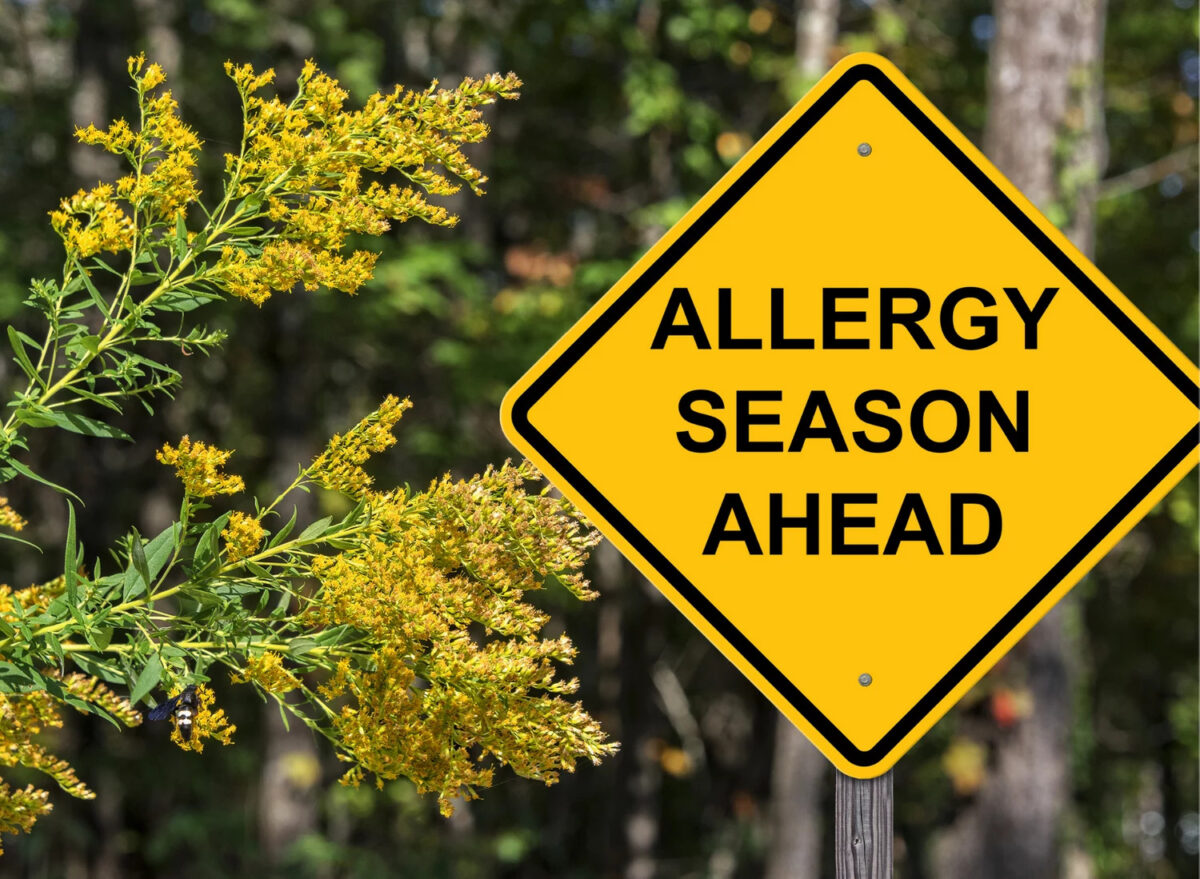



Allergies? Banish Pollen from Your Home This Spring

Allergy season will soon be upon us here in the Sunshine State, and if you are among the more than 50 million Americans that are affected by allergies, take note! Before prime allergy season begins, it’s time to learn how to reduce the pollen that gets spread throughout your home by your HVAC system.  


Though you may think that staying indoors is the best way to get through allergy season, if your HVAC system is circulating pollen particles through your home, you could be in for a rough season!  


Ready to banish pollen from your home this spring? Follow these tips from our team at Best Home Services! 

HVAC + Allergies: What is the Connection? 


It’s quite easy. Air from your HVAC system is circulated around the room, and when allergens like dust, pollen, or pet dander enter the system, they are dispersed throughout your house. Due to the AC system’s tendency to circulate allergens around a room, many people mistakenly believe they have an allergy to their AC unit.


If you have pollen allergies, there is a BIG connection between your comfort at home and your HVAC system.  


There are many things you can do to reduce pollen and other allergens from invading your home and making your nose run and your eyes water such as: 


  • Installing higher-quality HVAC filters 
  • Cleaning your ductwork to get rid of dust, mold, and pollen build-up 
  • Regularly cleaning and getting your HVAC system inspected 


HEPA Filters  


Some homeowners make the mistake of believing that typical pleated air conditioner filters protect them from allergens. While these filters keep large debris and dust from damaging the equipment, they don’t do much to protect your sinuses from minuscule allergens.  


High-energy particulate air filters, often known as HEPA filters, are necessary to purify the air within your home of allergens. These are the best HVAC filters for those who suffer from allergies. They are made from layers of glass fibers that are formed into a plated paper-like material.  


HEPA filters can trap more than 99% of pollen, dust, and smoke particles.  


A warning: HEPA filters might result in decreased airflow and problems with energy efficiency and are not suitable for all air conditioning systems. Before installing a HEPA filter, consult with our team at Best Home Services to ensure that it is the best choice for your HVAC system.  


Choosing a HEPA Filter  


HVAC filters are rated according to a system called MERV. This system is based on how well the filter blocks particulates of different sizes and ranges between 1 to 20 MERV. A higher rating is best for removing minute particles like pollen.  


Generally, standard filters are rated at 8 MERV and HEPA filters have a MERV rating of 17 or above.  


Replacing HEPA Filters  


HEPA filters must be replaced at least every two months to operate at their peak efficiency. They might need to be changed even more regularly if you suffer from severe allergies or if there is an especially high pollen count in your area. HVAC systems work better when air can flow seamlessly through the filters, so make sure your filters are clean. If a filter gets clogged, your air conditioner can overheat or fail.  


Duct Cleaning  


Over time, dust, pollen, pet dander, and other allergens can collect in the air ducts that snake through your home. As your AC circulates air through your home, it will also circulate these allergens, causing a whole host of problems.  


Cleaning your air ducts is important if you have: 


  • Worsening allergies or asthma 
  • Completed a home renovation 
  • An infestation of rodents or insects 
  • Visible mold growth in your vents or HVAC system 


It is especially important to have duct cleaning performed by our team at Best Home Services if you have never had your ducts cleaned or can’t remember the last time it was done. Call our team for duct cleaning and HVAC maintenance today; 844-921-2833! 


Preventative HVAC Maintenance  


If you haven’t had regular preventative maintenance performed on your HVAC system, spring is a great time to mark this off your to-do list!  


Many allergy-related problems can be prevented by scheduling seasonal inspections to clean dirty cooling coils, fan motors and blades, drain pans, and other components.  


Further, you will enhance the energy efficiency of your entire air conditioning system by having its parts and components cleaned and maintained. It’s a win-win!  


Other Tips for a Healthy Spring Season  


Follow these last quick tips for a healthy and happy spring!  


  • Keep doors and windows closed, especially during the peak pollen hours of 5-10 AM.  
  • Vacuum your home often and dust with a damp cloth to prevent the spread of pollen spores.  
  • Avoid using ion-based air purifiers. These will remove pollen but can create ozone that can exacerbate allergy or asthma symptoms.  

Banish Pollen this Spring 


As you can see, there is a direct correlation between your HVAC system and your allergy symptoms inside your home. By having your system maintained regularly, you can prevent pollen and other allergens from invading your indoor air.  


Call our team at Best Home Services for expert HVAC maintenance, duct cleaning, air quality audits, and more—844-921-2833! 
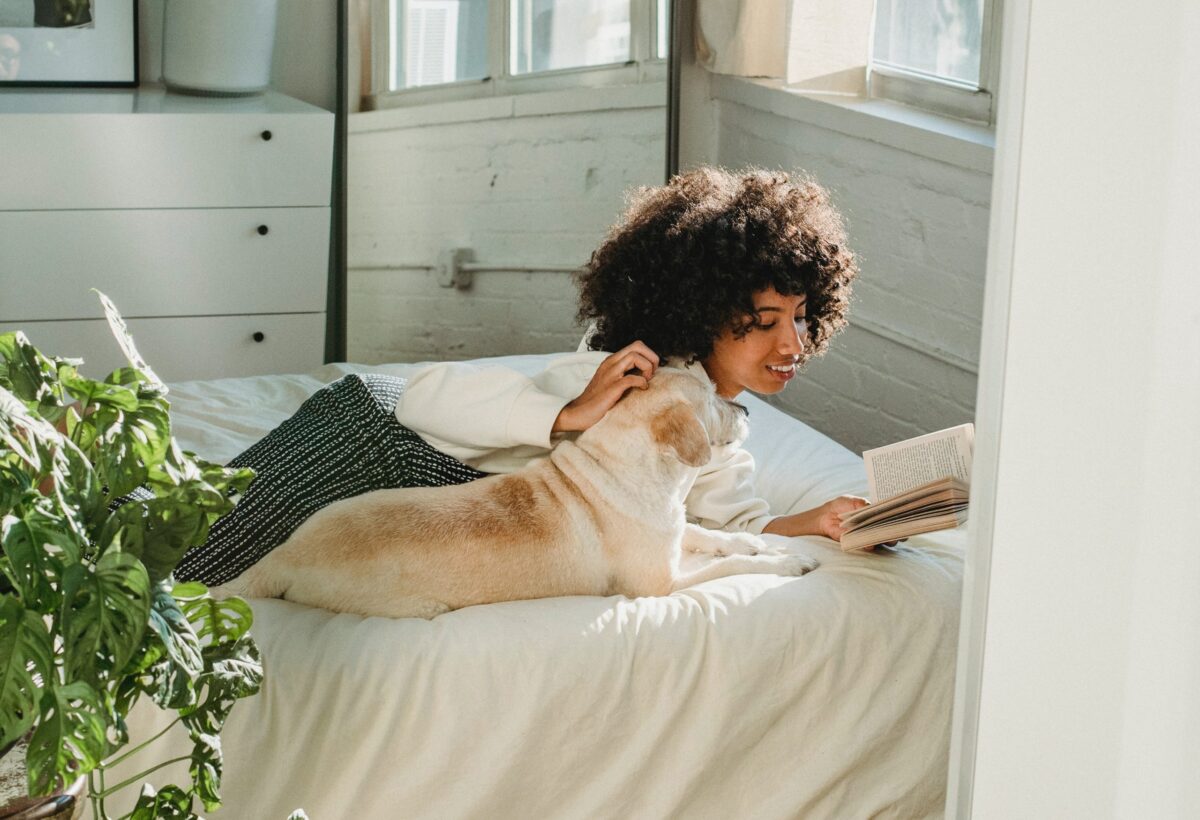
 

Pet Owners: Improve the Air Quality in Your Home

At Best Home Services, we love our furry friends; they improve our quality of life and make every day a little bit better. But did you know that the indoor air quality in your home can suffer when you have a cat or dog in your home?  


Allowing pets to have free range access to your living area increases hair and pet dander throughout your space, which can cause problems with the air quality in your Southwest Florida home. The good news? There are ways to reduce the pet dander circulating in the air and improve the indoor air quality for your family and your pets! 


Our air quality experts at Best Home Services discuss some great tips to improve your air quality when you have furry friends roaming through your house!  

Keep Your House Clean  


One of the best methods to enhance the indoor air quality of your home, particularly if you have pets, is to keep it clean. Here is some straightforward housekeeping advice you should have in mind if you have pets:


  • Use a lint roller on couches and sofas  
  • Keep your pet’s toys and collar clean 
  • Sweep or vacuum hard surfaces daily 
  • Vacuum your carpet and rugs at least once or twice a week  
  • Clean your pet’s bed with baking soda 
  • Clean your cat’s litter box often 


With pets, maintaining a clean home requires extra work, but with these suggestions, your house won’t become a kingdom of fur and dander!

Use Appropriate Pet Grooming Techniques


Grooming your pet often can help to minimize shedding and decrease dander in the air. Plus, it helps create a special bond between you and your pet. It’s a win-win 


In addition to regular brushing and grooming, bathe your pets every week or two to ensure that they are clean and dander-free. There are also special dander wipes that you can buy that can remove dander and hair from your cat!  


Wash Your Pet’s Bedding Regularly 


Washing your pet’s bedding is key to keeping your pet clean and keeping hair and dander at bay. If pet beds are left unwashed, hair and dander can get tracked throughout the home, so make sure that you wash your pet’s bed once a week.  


To wash, you can use a regular detergent and baking soda to deodorize, and make sure to wash their bedding on a hot cycle. This ensures that all germs and microorganisms that may be present in the bedding are killed in the process.  


If your pet has turned a piece of furniture into a bed (ex. your couch or guest bed), make sure to vacuum the area and clean it often. Also, consider covering it with a pet-friendly blanket or towel to prevent damage.  

Change Your Air Filters 


We talk about this often because it is so important. If you have pets, you should be checking and changing your air filter frequently; at least every 30-60 days.  


Your air filter has a tough job. It sifts air particulates like pollen dust, pet dander, and fur; and if it is full of debris, you and your family will be breathing polluted air, and your system will be working harder to keep your family comfortable 


So, take note and put it on the calendar: Change or clean or air filters regularly. At least every 30-60 days! This will help keep your home’s air quality at its best.  


Consider Duct Cleaning 


Over months of use, dust, dirt, and dander from pets can become trapped in the air ducts of your home. When this happens, dander particles will cycle throughout your entire system decreasing your air quality and causing health issues for those who suffer from allergies.  


If you notice dust around your ducts or an allergy flare-up, contact our indoor air quality experts at Best Home Services at 844-921-2833 to inspect your ductwork. We want you to breathe easy and be comfortable in your home!  


Use UV Lights 


UV lights can do wonders for your indoor air quality. Even if you groom your pets regularly, there still may be a multitude of germs floating in the air. A quick play in the yard or walk around the neighborhood is enough for them to pick up microorganisms and transport them around your home as soon as they come back inside.  


Your indoor air quality won’t be harmed by these bacteria thanks to the use of a UV light.

Breathe Easy with Best Home Services  


We love our pets just as much as you love yours, so when you need to improve the air quality in your home because you have furry friends in the house, we know just what to do! We offer air quality assessments, UV light installs, air duct cleaning, HVAC inspections/maintenance, and more!  


Ready to improve the air quality for year-round comfort? Call Best Home Services today; 844-921-2833 

Types of Air Conditioner Filters for Your Home


Indoor air quality is crucial for homeowners, especially as many Americans have been spending more time at home. Installing proper heating, ventilating and air conditioner (HVAC) filters can make a big difference between stuffy air that carries pollutants and a clean, healthy environment. We know what we’d choose. 


The first step to better air quality is understanding the difference in air filters used in your home. Let’s take a look!  


Options for Air Filters 


There are several types of air filters for your HVAC system, all with different benefits. Some people prefer high-efficiency particulate air (HEPA) filters to eliminate allergens and other pollutants, and others want a basic one that just gets the job done.  


Generally, high-efficiency types are a cost-effective solution for most homes, but there are factors to consider when choosing a filter. Do you have pets? Is mold or mildew an issue in the home?  


Different types of A/C filters include: 

Everything from fabric to fiberglass are components of air filters; they are rated using the Minimum Efficiency Reporting Value (MERV) to illustrate how well the filter traps pollutants 


Which Filter Should I Choose? 


Choosing the right AC filter depends on what you are purifying from the air and if family members with severe allergies or respiratory issues live in the home.  


UV Filters  

UV filters use short-wave ultraviolet light to kill bacteria and viruses in the air. When air passes through the air conditioning unit, the UV lamps disinfect it with germicidal radiation. UV filters are excellent for eliminating hazardous microorganisms, including bacteria, viruses, mold spores, etc. 

UV filters are great for eradicating bacteria and viruses, but their efficiency deteriorates when screening other pollutants such as dust or pet dander. This is why UV products often are used with HEPA or other filters. 

The UV light from the filters is invisible to humans, and the lightbulbs typically have to be replaced annually, depending on your HVAC system.  


A UV air purifier from Best Home Services will destroy mildew, mold spores, and bacteria as these contaminants travel through your ductwork! 


HEPA Filters  

High-efficiency particulate air (HEPA) filters remove 99.97 percent of airborne allergens and pollutants. With a MERV rating of 16, HEPA filters provide the highest protection of any other air filter in your home; they can be used with a UV filter for the cleanest air possible.  

Those who live with allergies or other respiratory issues may benefit the most from HEPA filters because they remove the smallest microns or airborne particles from the air. HEPA filters will need to be adjusted by a contractor to fit your specific system.  

The best part? HEPA filters only need to be changed every few years!  


Washable Filters  

If you like to shop eco-friendly, this may be the choice for you. Being able to repeatedly wash and reuse a filter instead of buying a new one every month is a great benefit.  

After washing, ensure that the filter is completely dry before putting it back in place. The slightest bit of moisture could lead to development of mold or mildew that will then circulate throughout your system.  

These filters have a low MERV rating, but they are a great option for someone who doesn’t need a specialty filter.  


Pleated Filters  

Pleated filters are made from polyester fabrics or cotton and have a MERV rating between 5 and 13. They effectively filter dust and other airborne pollutants, but they can impede airflow depending on the number of pleats they have.  

The pleats increase the filter’s surface area, and they thoroughly clean the air. They can trap even the most difficult pollutants such as mold spores and pet dander. You can purchase reusable or disposable pleated filters, and they often suppress the noise of the HVAC fan.  

The downside is that they require your HVAC system to work harder to pull air through the unit, which could result in a loss of efficiency.  


How Often Should I Change My Air Filter?  


Depending on the type of filter used, you generally can expect to change your HVAC filters every 30 to 90 days.  

Cheaper fiberglass filters require replacement every month, and pleated air filters that are made from higher-quality materials can last three to six months depending on the use and whether you have pets.  

During the sweltering months in Florida, your filter may need to be replaced every few weeks rather than monthly because of extended use and higher humidity.  


No matter the season, the air-quality technicians at Best Home Services will ensure your indoor air is safe and your family is comfortable. Give us a call! 


Enhance Indoor Air Quality  


Air quality is of utmost importance in the home, and At Best Home Services, we provide excellent indoor air quality services throughout the Southwest Florida area. We can perform an air-quality assessment of your home and install air purifiers, filtration, and humidification systems.  


Ready to breathe easier? Call Best Home Services today!