


When to Turn to a Professional for Your Drain Clearing Needs

Are you facing a slow-running drain or a total clog? Are you unsure of when to turn to a professional for drain clearing services? Many homeowners find themselves in the same situation. It’s important to know when a plumbing issue requires the help of an expert. That’s why we’ve created this blog post to help explain the confusion around when to call a professional for drain clearing. We’ll discuss common plumbing issues and when it’s necessary to hire a professional for professional drain cleaning.

Understanding Common Drain Issues

When it comes to dealing with drain problems, it’s important to have a good understanding of the common issues that homeowners face. By recognizing these issues, you can better assess when it’s time to call in a professional for drain clearing.

Clogged drains

One of the most common drain issues is a clogged drain. This can occur due to a variety of reasons, such as a buildup of hair, soap scum, or food particles. While minor clogs can often be cleared with DIY methods, recurring or stubborn clogs may require the expertise of a professional. They have the tools and knowledge to effectively clear the blockage and prevent further issues.

Slow drains

Another common issue is slow drainage. If you notice that your sinks, showers, or toilets are taking longer to drain than usual, it could be a sign of a blockage or a more serious problem further down the line. Professional drain maintenance can help identify the root cause of the slow drainage and provide long-term solutions to ensure optimal drain functioning.

Leaky pipes

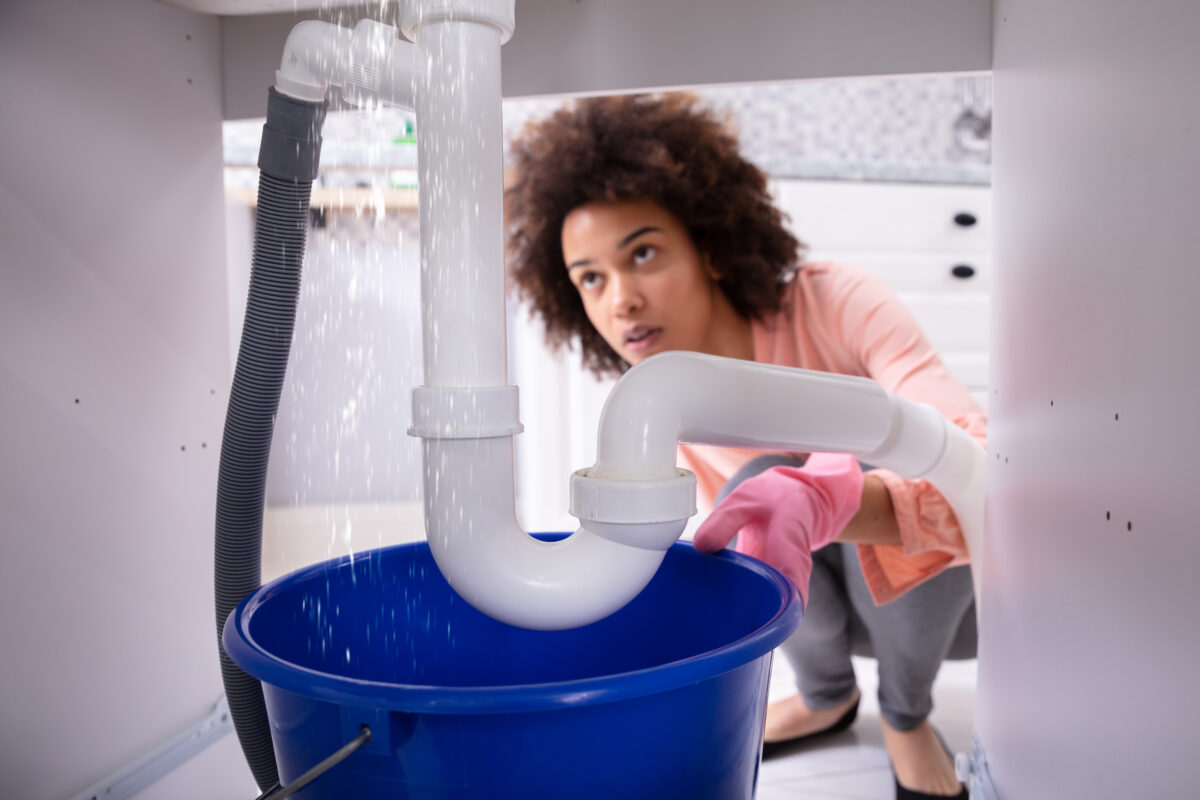
Leaky pipes are another common issue that homeowners face. This can occur due to old or deteriorating pipes, improper installation, or excessive water pressure. While some minor leaks can be temporarily fixed with DIY methods, it’s important to have a professional assess the situation to prevent further damage and potential water wastage.

By understanding these common drain issues, you can better assess when it’s necessary to call in a professional for drain clearing. Don’t let these issues cause further damage to your plumbing system—take action and seek professional help from Best Home Services to ensure the long-term health and functionality of your drains.

Signs You Need a Professional

While some drain issues can be resolved with simple DIY methods, there are certain signs that indicate you need to call a professional for drain clearing. One major sign is recurring or persistent clogs. If you find yourself constantly dealing with clogged drains, despite your best efforts to clear them, it’s time to seek professional help. This could be an indication of a more serious underlying issue that requires expert attention.

Another sign that you need a professional is foul odors coming from your drains. If you notice a persistent unpleasant smell coming from your drains, it could be a sign of a blockage or buildup of debris. A professional can properly diagnose the issue and eliminate the source of the odor.

Additionally, if you’re experiencing multiple drains in your home being clogged or draining slowly, it could be a sign of a larger plumbing problem. This could indicate a blockage in your main sewer line, which requires specialized equipment and expertise to clear.

Finally, if you’ve attempted DIY methods but the problem persists or worsens, it’s time to call in the Naples plumbing professionals from Best Home Services. They have the necessary tools, knowledge, and experience to tackle even the most stubborn clogs and restore your drains to optimal functionality. Give us a call at 239-420-7647.

Reasons to Hire a Professional for Drain Clearing

When it comes to maintaining and clearing your drains, there are several reasons why it’s beneficial to hire a professional. One of the main reasons is that professionals have the expertise and knowledge to accurately diagnose and address your drain issues. They have undergone extensive training and have a deep understanding of how plumbing systems work, allowing them to identify the root causes of your problems and provide effective solutions.

Another reason to hire a professional for drain clearing is their access to specialized tools and equipment. DIY methods may provide temporary relief, but professionals have state-of-the-art equipment that can effectively clear even the most stubborn clogs. Their tools are specifically designed to tackle various types of blockages, ensuring that your drains are cleared properly and efficiently.

Furthermore, professional drain maintenance can help prevent future drain issues. By investing in regular inspections and cleanings, professionals can identify potential problems before they escalate into major issues. They can also provide long-term solutions that prevent further clogs and keep your drains flowing smoothly.

Hiring a professional for drain clearing also saves you time and money. Instead of spending hours trying to unclog a drain or wasting money on ineffective DIY products, a professional can quickly and effectively resolve your drain issues. Their efficient and reliable services allow you to get back to your daily routine without any hassle or frustration.

Overall, professional drain maintenance is essential for ensuring the long-term health and functionality of your drains. By hiring a professional, you can trust that your drain issues will be properly addressed, saving you time, money, and stress. Don’t hesitate to reach out to the trusted plumbing experts at Best Home Services for your drain clearing needs and enjoy the peace of mind that comes with a properly functioning plumbing system. Give us a call at 239-420-7647.

Choosing the Right Professional for Your Drain Clearing Needs

Choosing the right professional for your drain clearing needs is crucial to ensure the job is done right and your plumbing system is in good hands. With so many options out there, it’s important to do your research and select a reputable company with experience in drain clearing.

First, look for a company that specializes in drain clearing. While general plumbers may offer drain clearing services, it’s best to choose a professional who has specific expertise in this area. They will have the knowledge, tools, and experience necessary to effectively tackle even the toughest drain issues.

Next, read reviews and testimonials from previous customers. This will give you insight into the quality of their work and their level of customer satisfaction. Look for companies that have a history of providing reliable and efficient services.

It’s also important to consider the company’s response time and availability. Drain issues can arise at any time, so choose a professional who offers 24/7 emergency services. This ensures that help is available whenever you need it, minimizing the risk of further damage to your plumbing system.

Lastly, consider the pricing and warranty options offered by the company. While it’s important to find a professional within your budget, be wary of extremely low prices, as they may indicate low-quality work. Look for a company that offers fair and transparent pricing, and inquire about any warranties or guarantees on their services. Best Home Services is Naples’s trusted plumbing team for expert service. Give us a call at 239-420-7647.

Professional Drain Snaking Cost Factors

If you’re dealing with a clogged drain, you know that it can be a big hassle. Most of the time, the most effective way to clear a clog is to have a plumber snake the drain. Snaking a drain entails using a flexible auger to break up and remove blockages from within your pipes. But how much does it cost to hire a professional plumber for drain snaking services? When it comes to drain snaking, you want to make sure that you’re getting the best service possible, and that’s why it’s important to understand the cost to snake a drain professionally. In this blog post, we’ll explore common drain issues, what snaking a drain entails, and why it’s worth paying for professional drain snaking services.

Common drain issues

Dealing with a clogged drain is a common household issue that can cause frustration and inconvenience. Understanding the common drain issues that can occur is important in determining when it’s time to call a professional plumber to snake your drain.

One of the most common drain issues is a slow drain. This can be caused by a build-up of debris, hair, or even tree roots infiltrating the pipes. Another common issue is a completely blocked drain, where water doesn’t drain at all. This can be a result of a large blockage or a more severe problem in the plumbing system.

Leaking or dripping faucets can also indicate a drain issue, as they can be caused by a clog or improper drainage. Unpleasant odors emanating from your drains are another sign of a potential issue. These odors can be caused by stagnant water, decaying debris, or even a blocked vent stack.

Ignoring these common drain issues can lead to further damage and more costly repairs down the line. That’s why it’s crucial to address them promptly and effectively. Hiring a professional plumber who specializes in drain snaking can help to identify and resolve these common drain issues efficiently.

So, if you’re experiencing slow drainage, blockages, leaking faucets, or unpleasant odors, it’s time to call in a professional plumber to snake your drain. They have the expertise and equipment to diagnose and fix the problem, ensuring your drains are clear and your plumbing system functions properly. Don’t let common drain issues become a recurring headache – invest in professional drain snaking services and enjoy the peace of mind that comes with a smoothly running plumbing system.

What is snaking a drain?

Snaking a drain is a process used by professional plumbers to remove blockages from within your pipes. It involves using a specialized tool called a drain snake or auger. This flexible cable-like tool is inserted into the drain and guided through the pipes, breaking up and dislodging any obstructions in its path.

The drain snake is designed with a coiled wire that has a pointed tip or a hook at the end. As it is pushed through the drain, the wire rotates, allowing it to grab onto and pull out the clog. Depending on the severity of the blockage, the plumber may need to use different attachments or vary the length of the cable.

Snaking a drain is an effective method for clearing various types of clogs, including those caused by hair, grease, food particles, or foreign objects. It is also useful for removing tree roots that have infiltrated the pipes.

Professional plumbers have the expertise and experience to navigate the drain snake effectively, ensuring that it reaches the source of the clog and clears it completely. They know how much snake drain to use based on the specific issue and can adjust the speed and pressure accordingly.

By hiring a professional plumber to snake your drain, you can have confidence that the job will be done properly and that the clog will be completely removed. This helps to prevent future clogs and keeps your plumbing system running smoothly.

Why it’s important to have a drain snaked by a professional plumber

When it comes to clogged drains, many homeowners are tempted to tackle the problem themselves. While it may seem like a cost-saving option, attempting to snake a drain without the help of a professional plumber can lead to more headaches and expenses in the long run.

First and foremost, professional plumbers have the knowledge and experience to accurately assess the severity of the clog and determine the appropriate measures to clear it. They know how much snake drain is needed to navigate through your pipes and reach the source of the clog. This ensures that the blockage is fully removed and that your drains are functioning optimally.

Moreover, professional plumbers have access to specialized equipment that most homeowners don’t. They have high-quality drain snakes and augers that are designed to efficiently break up and remove even the most stubborn clogs. This means that the job can be completed more quickly and effectively, saving you time and frustration.

Another important reason to hire a professional plumber for drain snaking is the guarantee of quality workmanship. Plumbers are trained to adhere to industry standards and best practices, ensuring that the job is done correctly. This not only resolves the immediate issue but also helps prevent future clogs and potential damage to your plumbing system.

So, while it may be tempting to save a few bucks and attempt to snake a drain yourself, it’s important to consider the potential consequences. Hiring a professional plumber guarantees that the job will be done right the first time, saving you from the hassle of recurring drain issues and the costly repairs that may result. Investing in professional drain snaking services provides peace of mind and ensures the longevity and efficiency of your plumbing system.

How much does it cost to snake a drain?

Calculating the cost to snake a drain can vary depending on several factors. The complexity and severity of the clog play a significant role in determining the cost. A simple clog near the drain opening might be less expensive to snake, while a deeper, more complex clog could require more time and effort, resulting in a higher cost.

Accessibility is another factor that affects the price. If the drain is easily reachable, the plumber can work more efficiently, potentially reducing the cost. However, if the drain is in a hard-to-reach location or requires specialized equipment, it may increase the price.

Give the Naples, FL plumbing professionals at Best Home Services a call if you have a tough clog. We’re here to help!

Solved! Reasons You Have Low Water Pressure in the Shower

If you jump in the shower after a long day and are met by a trickle of water or abnormally low water pressure, it can be a major letdown!  


There are many potential explanations for low pressure in the shower, such as a partially closed control valve, a faulty pressure regulator, a leaking pipe, or a clogged showerhead. While you can troubleshoot and fix some of these problems on your own, some may require a call to a professional plumber.  


Have the low water pressure blues? Learn a few reasons why you’re struggling with low water pressure and what you can do to fix it!  

First Steps  


Before troubleshooting an issue with low water pressure in the shower, it is important to determine if it is a widespread concern or just relegated to the shower.  


  • Are both the hot and cold water in the shower affected?  
  • Does the sink faucet in the same bathroom have low water pressure?  
  • Do other areas in your home have low water pressure too?  


Once these questions are answered, you can start to troubleshoot your low water pressure issue with the following reasons as a guide.  


Reason #1. Partially Closed Control Valve 


If you’re lucky, your low water pressure woes have a very simple solution. Examine your home’s main water shut-off valve, which is often located close to the water meter. If you just had plumbing repair done, this valve might be partially closed, which would limit the amount of water that enters your property.


Make sure that the valve is fully open, and recheck the pressure. But if that isn’t the culprit, check out reason #2.  


Reason #2. Faulty Pressure Regulator  


The pressure regulator works to maintain your home’s water pressure within a safe range of 45-60 psi. It is not uncommon for a pressure regulator to wear out over time or malfunction. If it is not working properly, it could impact the water pressure in your home.  


Have a plumber from Best Home Services inspect the pressure regulator to see if it needs to be repaired or replaced.  


Reason #3. Leaking Pipes 


The plumbing in your home is a complex network of pipes that are mostly concealed behind the walls, below the floors, or above the ceiling. If a pipe is leaking, you might not notice it right away, but you may notice its side effects!  


If there is a leaky pipe, less water will come out of your showerhead or faucets. You may also notice your utility bills rising without an explanation.  


A leak can cause flooding and costly water damage. If you suspect a leak, call our plumbers at Best Home Services ASAP; 844-921-2833!  


Prevent a clog> Plumbing Leak Prevention at Home  


Reason #4. Clogged Showerhead  


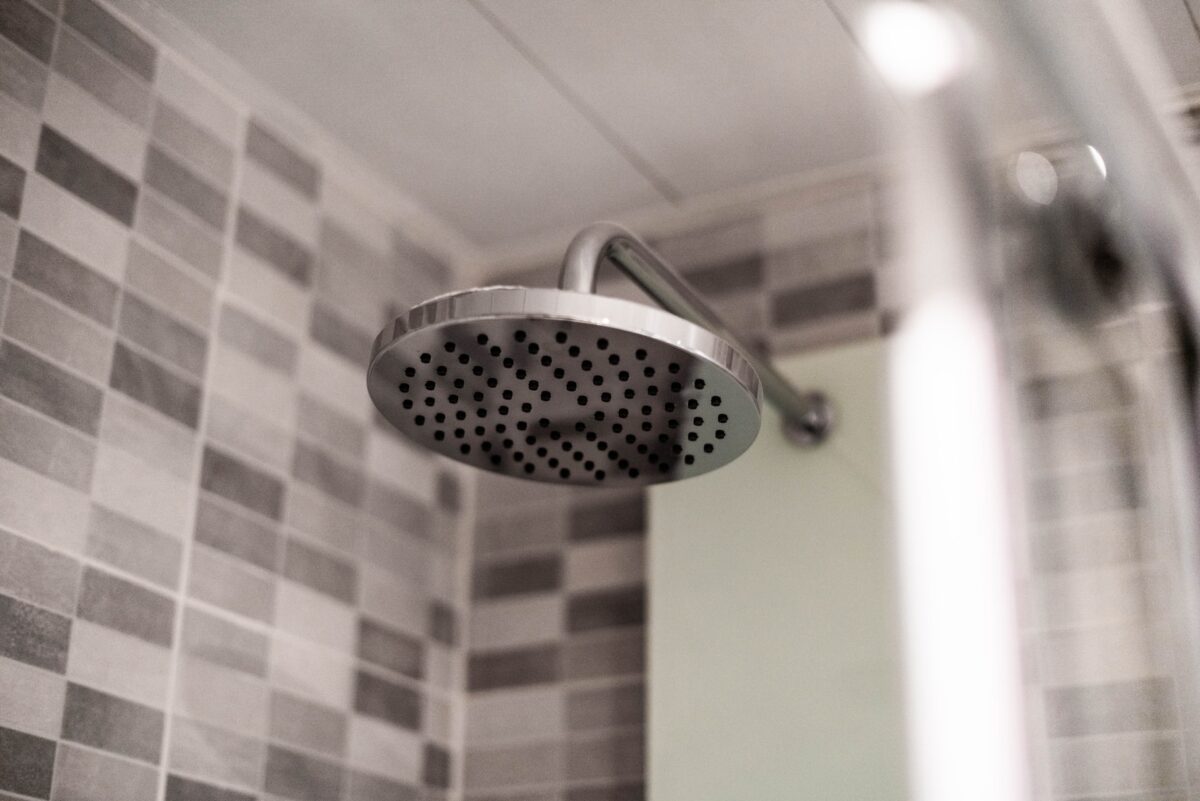
Southwest Florida’s hard water is particularly hard on showerheads. The tiny jet holes in your showerhead develop scale or mineral deposits over time, which affects the pressure and flow of the water in your shower.


An easy fix is to remove your showerhead and soak it in vinegar overnight. You can also use an old toothbrush to scrub the showerhead once the scale has been softened by the vinegar.  


If your showerhead is old, you may be better off replacing it, which is relatively cheap depending on your preferences, and is an easy job to re-install.  


Learn More> Do I Need a Water Softener?  


Say Goodbye to Low Water Pressure Showers  


Don’t be disappointed by the water pressure in your shower any longer! Though it might be an easy fix like a clogged showerhead or a partially closed control valve, if these don’t fix the problem, call our plumbers at Best Home Services for 5-star plumbing service today! We will diagnose and fix your low water pressure issue so you can enjoy a robust shower again! 


Don’t let low water pressure get you down. Call Best Home Services for a consultation today—844-921-2833!  


Plumbing Leak Prevention at Home: Our Tips

That little leak you’ve been neglecting can turn into a major issue! Water leaks can harm your plumbing, property, and yard in addition to increasing your utility costs. The good news? Many leaks can easily be prevented!

Here are some top tips from the plumbing team at Best Home Services on how to prevent these common household leaks, so you can ensure your home is protected and your plumbing system is working smoothly.

Identifying Common Leak Sources in Your Home

Most homeowners don’t realize that the average household’s leaks waste nearly 10,000 gallons of water annually. That’s enough to wash 300 loads of laundry! Understanding where leaks commonly occur is the first step to preventing them.

Washing Machine Leaks

Because your washing machine uses so much water, it is prone to leaks if not maintained. The hoses connecting your washing machine to water supply lines are particularly vulnerable. These rubber hoses deteriorate over time, especially when exposed to constant water pressure.

To prevent a leaky washing machine, replace hoses every five years and check the connections annually. Look for signs of bulging, cracking, or brittleness in the rubber. Consider upgrading to stainless steel braided hoses, which are more durable and less likely to burst under pressure.

HVAC System Leaks

When your air conditioning system works properly, moisture should be removed from the air conditioner by the drain pipe. If you have an air conditioner in your attic and notice wetness on your ceiling, it likely means the condensation line is blocked or the pan is full.

Drain line clogs are usually caused by dirt, algae, dust, and similar debris. The best way to prevent leaks from your HVAC system is to have it inspected and cleaned every year by a professional HVAC technician from Best Home Services. Remember, proactive maintenance also includes changing the air filter every 30-60 days.

Preventing Drain and Pipe Leaks

If your kitchen or bathroom sinks are clogged or leaking, it can cause serious property damage in your home. Clogs put excessive pressure on pipes and joints, leading to leaks at weak points.

To prevent these issues, be mindful of what goes down your drains. Don’t pour grease, coffee grounds, rice, pasta, or other food waste down your drains as they can harden and clog your pipes, putting stress on your entire plumbing system.

If your drains and pipes are clogged, avoid using caustic drain cleaners that can damage pipes. Instead, try a plunger or call a professional plumber who can clear your drains using methods that won’t harm your plumbing.

Toilet Leak Prevention

Toilets can leak at the supply line, or they can overflow when clogged. To prevent such leaks, check the supply line yearly to ensure that your tank doesn’t need repair or adjustments. Look for signs of wear on the flexible hose connecting the toilet to your water supply.

If there is a leak at your toilet’s supply line, work quickly to prevent damage. Follow these steps:

  1. Open the toilet’s tank lid
  2. Close the flapper
  3. Lift the ball
  4. Shut off water at the wall stop
  5. Call a plumber from Best Home Services to take a look

Dishwasher and Refrigerator Leaks

Since dishwasher and refrigerator pipes are located under and behind these appliances, leaks can often go unnoticed for years. To ensure everything is okay, routinely inspect underneath and behind both appliances.

Another way to detect a leak is to look for discoloration under your appliances. Water damage often appears as warping in wood floors or water stains on tile. A musty smell could also indicate a hidden leak. Make these quick checks part of your seasonal cleaning routine for good preventative plumbing maintenance.

More Essential Plumbing Leak Prevention Tips

To keep your plumbing system working properly and avoid costly water damage, follow these additional tips:

  1. Don’t flush items down the toilet that should be thrown away in the garbage
  2. Regularly check your plumbing for leaks, especially after season changes
  3. Know where your main water shut-off valve is located
  4. Install water leak detectors near high-risk appliances
  5. Consider having annual professional plumbing inspections

Addressing small leaks promptly can save you from major water damage and expensive repairs down the road. Remember that even a small drip can waste thousands of gallons of water per year while slowly causing hidden damage to your home.

Managing Water Pressure and Water Quality to Reduce Leak Risk

Beyond just checking your appliances, managing your home’s water pressure and quality plays a huge role in preventing leaks. High water pressure might feel nice in the shower, but it puts constant strain on your pipes and connections. When water pressure exceeds 80 psi (pounds per square inch), it can damage your plumbing system over time.

Most homes should maintain water pressure between 40-60 psi for optimal performance and pipe longevity. You can test your water pressure with an inexpensive gauge that attaches to an outdoor spigot. If the reading is too high, consider installing a pressure regulator on your main water line to protect your entire plumbing system.

The Impact of Hard Water on Your Plumbing

Hard water contains high levels of minerals like calcium and magnesium that can build up inside your pipes. These mineral deposits slowly narrow your pipes, reducing water flow and increasing pressure. Eventually, this can lead to pinhole leaks or even pipe failure.

Signs of hard water include spots on dishes, soap that doesn’t lather well, and a crusty white buildup around faucets. Installing a water softener can help prevent these issues by removing minerals before they damage your plumbing. While a softener is an investment, it’s typically cheaper than replacing damaged pipes and fixing water leaks.

Monitoring for Water Hammer and Pressure Spikes

Have you ever heard banging in your pipes when you shut off a faucet quickly? This is called water hammer, and it happens when flowing water suddenly stops, creating a pressure surge that can damage your pipes. These pressure spikes put stress on joints and connections, making them more likely to leak over time.

Water hammer arrestors can be installed at key points in your plumbing system to absorb these pressure surges and protect your pipes. They act like shock absorbers for your plumbing, reducing the stress that leads to leaks.

Watching for Signs of Corrosion

Municipal water often contains chemicals that help keep it safe but may gradually corrode certain pipe materials. If your water has a metallic taste or appears discolored (especially rusty), it could indicate pipe corrosion that might lead to leaks.

Check exposed pipes periodically for discoloration, flaking, or dimpling—all signs that your pipes are corroding from the inside out. Green stains on copper pipes indicate corrosion that needs attention before leaks develop.

Practicing Safe Drain Use to Prevent Blockages

Preventing drain clogs is an important part of leak prevention that many homeowners overlook. When drains clog, water pressure builds up behind the blockage, putting stress on pipe joints and seals where leaks commonly develop.

Kitchen drains are particularly vulnerable. Instead of pouring cooking grease down the drain, collect it in a container and throw it in the trash when it solidifies. Even liquefied grease will cool and harden in your pipes, catching other debris and creating stubborn clogs that are difficult to remove.

Coffee grounds, eggshells, rice, and pasta should also stay out of your drains. These foods expand or clump together when wet, creating blockages that strain your plumbing system. Scrape food waste into the trash or compost bin before washing dishes.

Avoiding Chemical Drain Cleaners

When you do have a clog, avoid using caustic chemical drain cleaners. These harsh chemicals can corrode your pipes over time, creating weak spots that eventually leak. Instead, try a plunger, drain snake, or enzymatic drain cleaner that uses bacteria to break down organic matter without damaging pipes.

For stubborn clogs, professional drain cleaning services like Best Home Services use methods like hydro jetting that clear blockages without harming your plumbing. The cost of professional drain cleaning is minimal compared to the expense of repairing water damage from a leaking pipe.

Protecting Your Plumbing System Long-Term

Installing mesh screens over drains in showers and sinks helps catch hair and debris before they enter your plumbing system. Empty these traps regularly to maintain good water flow and prevent clogs from forming.

Taking these proactive steps to manage water pressure, address water quality issues, and prevent drain clogs will significantly reduce your risk of plumbing leaks. Remember that most major plumbing problems start as minor issues that could have been prevented with regular maintenance and careful use of your plumbing system.

Don’t ignore plumbing problems. Fix them at the source with help from the professional plumbers at Best Home Services. Being proactive about leak prevention is one of the smartest investments you can make in home maintenance. Give Best Home Services a call or book an appointment online today.

Do I Need a Water Softener?

Hard water, soft water—does it matter? Water is, of course, a necessity in our homes, but hard water can be a nuisance. Depending on where you live, a water softener may dramatically benefit your family.

In this guide you’ll learn what hard water is and the benefits of water softeners from our team at Best Home Services!

What is Hard Water?

Water is “hard” when it contains a great number of dissolved minerals. Minerals like calcium and magnesium can cause soap deposits in the bathtub, dull-looking white laundry, spots on dishes, and scaly deposits inside your showerheads, faucets, and appliances that can eventually restrict water flow.

Calcium, magnesium, bicarbonates, and sulfates must be removed by a water softening system to avoid damage to your skin, home appliances, and plumbing.

How Do Water Softeners Work?

A water softening system removes negative ionic minerals from hard water, replacing them with positive ions. By removing the calcium and magnesium ions in your home’s water and replacing them with positive sodium or potassium ions, this system transforms hard water into softer water.

Water softeners can use up to 25 gallons of water a day, so it is important to determine the hardness of your water before having a water softener installed.

Water softeners cost between $1,000-$2,000 and can last up to 15 years.

If I Have City Water, Do I Need a Water Softener?

Rural homeowners almost always need water softening. If you live in the city, you might also need a water softener. More than 85% of homes in the United States have hard water.

The best way to determine if you have hard water is to have your water tested by a plumbing technician from Best Home Services, or you can purchase a DIY testing kit. You can also check the hardness of your water by contacting your utility company.

Water is classified according to grains per gallon (gpg) of dissolved calcium carbonate found in the water:

  • 0–3 gpg: Water does not require softening.
  • 3–7 gpg: Water is moderately hard and can cause spotty dishes and dry skin.
  • 7–11 gpg: Water is hard, resulting in mineral build-up on faucets and inside pipes as well as spots on dishes and red rings in sinks from excess iron.
  • 11–15 gpg: Water is very hard and will exhibit the signs of hard water all the time.

Any reading over 15 gpg entails extremely high levels of minerals.

Southwest Florida’s water is on the higher end of the scale, with some cities testing in at 7-11 or higher. To experience the benefits of softened water in your home, call our team at Best Home Services today.

The Benefits of Water Softeners

The benefits of incorporating a water softener into your plumbing system are many and include:

Less Detergent Used for Laundry

A water softener can help your washing machine run more efficiently. When you have hard water, your clothing may look dull, feel rougher to the touch, or come out of the wash not fully clean. In this case, you’ll end up using more detergent and fabric softener.

Soft water allows the detergent to lather more easily and can save you as much as 50% of your detergent.

Energy Costs Will Be Lower

Water softening systems can improve your water heater’s efficiency and its lifespan as you won’t have to deal with mineral accumulation. You also won’t have to use as much hot water in the shower to clean your skin and hair, thus saving on energy and utility costs.

You’ll Find Fewer Stains

The minerals found in hard water can leave behind deposits that stain household items like clothing, silverware, cups, and sinks. This can make cleaning a real headache. With a water softener, you can avoid this problem with hard water deposits or stains on your household items.

Healthier Skin and Hair

The truth is, the minerals in hard water dry out your skin and hair. In untreated water, they form a layer of film that makes your skin dry and your hair dull. After installing a water softener, you will notice that your skin and hair are softer and that it is much easier to moisturize.

You’ll Use Less Water

Thanks to scale and soap that doesn’t lather properly, you’ll need a lot more hard water to get clean. You might be surprised at how much less water you use after installing a water softener.

Understanding City Water and Water Softeners

Ever wondered if you need a water softener with city water? While many people think city water is already treated and perfect, that’s not always true. City water treatment focuses on making water safe to drink by removing harmful bacteria and contaminants. But this process doesn’t always address water hardness.

Water hardness varies widely depending on where you live. Your local water treatment plant might deliver perfectly safe drinking water that still contains high levels of calcium and magnesium—the minerals that make water “hard.” More than 85% of homes in America have hard water, including many on municipal water systems.

How to Know if Your City Water is Hard

You don’t need fancy equipment to spot the signs of hard water in your home. Look for these common indicators:

  1. White spots on dishes and glassware after washing
  2. Soap scum buildup in sinks and bathtubs
  3. Reduced water pressure from scale buildup in pipes
  4. Stiff, scratchy laundry even after washing
  5. Dry skin and dull hair after showering

The most reliable way to determine your water hardness is to get it tested. Many water utility companies can provide hardness information for your neighborhood. You can also purchase simple DIY test kits from hardware stores or have a professional water analysis done.

Types of Water Softeners for City Water

If you discover your city water is hard, several types of water softeners can help. The most common system uses ion exchange technology, where calcium and magnesium ions are swapped for sodium or potassium ions as water passes through resin beads in the softener tank.

Salt-free conditioners are another option. Rather than removing hardness minerals, they change their structure so they don’t stick to surfaces. These systems don’t technically “soften” water but help prevent scale buildup.

For those concerned about drinking softened water, dual-tank systems or bypass valves allow you to soften only the water going to certain fixtures in your home. This gives you soft water for washing and bathing while keeping your drinking water untreated.

Installation and Maintenance Considerations

Water softeners for city water typically cost between $1,000 and $2,000 for purchase and installation. The exact price depends on your water hardness level, home size, and the type of system you choose.

Most systems require regular maintenance. Salt-based softeners need salt replenishment every few weeks to months, depending on your water usage and hardness level. The resin bed may need occasional cleaning to remove iron buildup or other contaminants not caught in the regeneration process.

Water softeners use water during the regeneration cycle—typically about 25 gallons per cycle. This small increase in water usage is often offset by the benefits of using less soap and detergent and extending the life of your appliances.

Important Considerations Before Installing a Water Softener

When deciding if you need a water softener for your city water, there are several important factors to consider beyond just the benefits. While water softeners offer many advantages, they also come with certain drawbacks and considerations that might affect your decision.

Sodium Content and Dietary Concerns

Traditional salt-based water softeners replace calcium and magnesium with sodium ions. This process adds sodium to your water supply, which may be a concern if you’re on a sodium-restricted diet. For every grain of hardness removed, a water softener adds about 8mg of sodium per gallon. In very hard water areas, this can add up quickly.

For those with health concerns, there are several options to consider. You can install a separate drinking water line that bypasses the softener, use potassium chloride instead of sodium chloride (though it costs more), or look into salt-free alternatives. Remember that even softened water typically contains less sodium than many foods we eat regularly, but it’s still worth considering if you have specific health needs.

Environmental Considerations

Water softeners impact the environment in several ways. During regeneration, they discharge salt brine into the sewage system. This salty water can be problematic for wastewater treatment plants and may eventually reach local waterways.

Some regions have started regulating or even banning certain types of water softeners due to these environmental concerns. Before installing a system, check your local regulations regarding brine discharge. Some newer, high-efficiency models use significantly less salt and water during regeneration, making them more environmentally friendly. The professionals at Best Home Services can help you determine what kind of water softener is right for your home.

Water and Energy Usage

A standard water softener uses between 25-65 gallons of water each time it regenerates. Depending on your water hardness and household size, regeneration might happen several times a week. While this may seem like a lot, it’s often offset by the water you save from more efficient cleaning and reduced scale buildup.

Energy consumption is another factor to consider. While the softener itself uses minimal electricity (mainly for the timer and control valve), softened water can improve the energy efficiency of your water heater and other appliances by preventing scale buildup. This often results in net energy savings over time, but the initial water usage during regeneration is worth considering.

Impact on Plants and Gardens

Softened water isn’t ideal for watering plants or lawns. The sodium in softened water can build up in soil over time, affecting plant growth and soil structure. For serious gardeners, consider a bypass valve for outdoor spigots to use unsoftened water for your garden.

If your outdoor water usage is high, factor this into your decision. Many homeowners choose to soften only their hot water line or install bypass valves for outdoor and drinking water to minimize these concerns.

Alternative Solutions to Consider

If traditional salt-based softeners don’t seem right for your situation, several alternatives exist:

  1. Salt-free water conditioners don’t remove minerals but instead change their form so they don’t stick to surfaces. They’re environmentally friendlier but less effective for very hard water.
  2. Magnetic and electronic descalers claim to change the properties of hardness minerals through magnetic or electric fields. Scientific evidence for their effectiveness is mixed.
  3. Point-of-use systems can be installed to treat water only where needed, like for your shower or washing machine, rather than treating all water entering your home.
  4. Reverse osmosis systems can remove hardness minerals along with other contaminants, particularly for drinking water, though they’re not typically used for whole-house treatment.

Conclusion

While water softeners offer significant benefits for homes with hard city water, they’re not without drawbacks. Consider your specific water hardness level, health needs, environmental concerns, and budget before making a decision. For many households, the benefits of softer skin, longer-lasting appliances, and reduced cleaning time outweigh these considerations.

If you’re concerned about hardness in your city water, start by getting your water tested by the plumbing experts at Best Home Services to determine the exact hardness level. From there, you can evaluate whether a traditional salt-based softener, an alternative system, or no treatment at all is the right choice for your home. Remember that even city water can benefit from treatment, as municipal processing focuses primarily on safety rather than hardness reduction.

If you’re concerned about hard water in your home, give the plumbing professionals at Best Home Services a call or book an appointment online today for expert advice.

Help! My Water Heater Isn’t Working!

Whether you were greeted by a cold shower after a long workday, or worse—a flood of water from a failed water heater tank—if your water heater fails or stops working, it can be a MAJOR inconvenience.  


There are many reasons why a water heater fails, including mechanical failures to age, but it’s clear— when your water heater is malfunctioning, you need a plumbing team that you can trust to fix the problem and restore hot water to your home!  


Here is the inside scoop from our team at Best Home Services on what to look out for when your water heater isn’t working.  


Issue #1. No Power or Gas  


If an electric water heater is not producing hot water, it could have a blown fuse, or the circuit could be tripped at the electrical panel. Further, some electric water heaters are equipped with a circuit-style safety switch that is located near or on the thermostat that may turn off the water heater in certain instances.  


Other simple solutions could include an unplugged or faulty power cord, or for gas heaters, it may simply be out of gas!  


Issue #2. Thermostat Woes  


Water heater thermostat issues can be tricky to troubleshoot, though they are typically less prone to failure than the heating elements. Testing the thermostat is a necessary step when your water heater stops working, as if your water heater has a single element, there will be no hot water at all. Keep in mind, two-element water heaters may have a thermostat for each element.  


Issue #3. The Pilot Light Went Out  


The pilot light is a small flame that is kept lit in certain gas appliances including your furnace, water heater, and gas fireplaces.


On a gas water heater, the pilot light stays lit with the help of a thermocouple or thermopile. If the pilot light goes out, the gas valve will close to prevent gas from building up and reaching the burners. Your water heater won’t be able to produce hot water without a working pilot light.  


Further, the thermopile or thermocouple can fail and cause the pilot light to go out as well. But other issues such as an air draft, or a disruption in gas service can cause the pilot light to go out too.  


Issue #4. Electronic Ignition Issues  


Gas electronic-ignition systems are safe and reliable and are currently used in many gas appliances such as water heaters, furnaces, and boilers. Electronic ignition systems work by employing a solid-state circuit that ignites the flame and maintains it.  


These systems do not use a thermocouple to produce a pilot flame but instead, they use a sensor to measure voltage. If the flame sensor gets clogged it won’t be able to be read by the electronic-control sensor.  


Typically, it will start working after it has been cleaned which is why preventative maintenance is so important!  


Issue #5. TPR Valve Problems  


The temperature-pressure relief valve or TPR valve is a safety feature designed to relieve excess pressure if the water inside the tank overheats. If this valve fails, the water heater could explode with the power of a rocket-like bomb (trust us, they tried this on MythBusters!) causing catastrophic damage to your property and even death.  


If you think that the TPR valve is leaking, it should be replaced by a licensed plumber from Best Home Services, as soon as possible.  


Note: A TPR valve should NEVER be capped off, as this can cause the pressure and inside temperature to rise to dangerous levels.  


To keep your family safe, the TPR valve and your water heater should be tested annually to confirm that both are working properly.  


Issue #6. Loss of Water Pressure  


Your water heater can stop working completely due to a loss of water pressure, which can be caused by several things such as: 


  • An open TPR valve if the water temperature or pressure is too high  
  • The water heater inlet is connected to the water supply without a safety valve 
  • Water pressure from the municipal water supply has risen above the TPR valve settings 


A loss of water pressure can also be caused by loose bolts, connections or fittings, bad gaskets, or a compromised water tank.  


Issue #7. Loose Water Heater Parts  


If you notice water leaking from a fitting on your water heater, the nuts or bolts might be loose. But if water is leaking from the bottom of the tank, the tank itself may be leaking due to corrosion or it may have a bad gasket.  


While you may be able to tighten a few nuts or bolts on your own, if your water heater is leaking, it’s best to call in a professional from Best Home Services to inspect your water heater to ensure that it is still working properly. No one wants to deal with hundreds of gallons of water inside their home when a water heater fails!  

Water Heater Maintenance and Repairs  


Don’t let a cold shower or water heater failure ruin your day! Call the pros at Best Home Services for 5-star preventative water heater maintenanceemergency repairs, and installation. We will ensure that your water heater is working in optimal condition to keep you and your family safe!  


Need water heater repairs? Call our team at Best Home Services today—844-921-2833! 

The Most Common Plumbing Emergencies


plumbing emergency can make even the most level-headed person panic. They are never convenient, and the best way to help prevent them from occurring is to keep your plumbing system properly maintained. As a homeowner, you have to know what the most common plumbing issues are; otherwise, how can you be prepared… 


Here are the six most common plumbing emergencies that we encounter at Best Home Services, and what you can do to prevent them! 


  • An Overflowing Toilet 
  • Clogged Drain 
  • Burst Pipes 
  • Leaky Fixtures 
  • Sewer Backup 
  • Water Heater Malfunction 
  • See more of the best plumbing tips on the blog.  

#1. An Overflowing Toilet 


clogged and overflowing toilet is one of the most common plumbing issues. Using a plunger can often help fix a clogged drain before it overflows, but it cannot fix any underlying issues that are causing the overflow.  


If your toilet begins to overflow, avoid using any of the plumbing throughout your home until a plumber diagnoses the cause of the backed-up toilet. It is best to call a plumber as soon as possible to help avoid the water damage that a toilet overflow can cause.  


#2. Clogged Drain 


A severely clogged sink drain, whether in the kitchen, or shower, can prevent the flow of water and cause a plumbing emergency. Clogged sinks are often caused by grease, hair, or other debris that should never be put down the drain.  


Usually, you can unclog a sink with a drain snake or plunger, but if that doesn’t help, don’t use any chemical drain cleaners, as they can damage your pipes.  


Instead, call a professional plumber from Best Home Services to clear your drains properly and address the problem at the source.  


No matter the time of day, our team is on call to help you with any plumbing emergencies! Call us to fix the issue ASAP; 844-921-2833!   


While You’re Here > Signs Your Drains Need Cleaning  


#3. Burst Pipes 


Excessive water pressure that builds up close to a pipe’s weak connection causes burst pipes. The pipe could break, resulting in the failure of plumbing appliances like a faucet or toilet.


You may hear a loud “popping” sound when the pipe bursts, but many homeowners are unaware when a burst occurs until a fixture fails, or water damage occurs. Depending on the severity of the pipe damage, a pipe burst can cause significant water damage, so if you notice any of the above signs, turn off your water and call a plumber immediately.  


#4. Leaky Fixtures 


A leaking fixture can significantly increase your water bill and cause a whole host of other problems such as rust, and mildew in your pipes due to standing water. Don’t let a leak go unfixed! Make sure to maintain your home by fixing or replacing any old or damaged fixtures.  


Prevent Plumbing Problems> Tips for Finding a Plumber  


#5. Sewer Backup 


The most common type of sewage backup is caused by clogged pipes, which are often clogged due to toilet paper, hair, and grease.  


If you have multiple clogs, gurgling toilets, or notice any foul odors coming from your house’s drains, you may have a sewage issue in the works. Don’t let it get to the point of backup! Get your plumbing system inspected and fixed as soon as possible.  


#6. Water Heater Malfunction  


Many things can indicate a water heater malfunction including discolored water, strange smells when your water is running, and most commonly—a lack of hot water. If you notice any of these signs, call a plumber immediately to prevent a catastrophic breakdown and potential water damage.  


When a water heater is faulty, a significant leak can occur, causing hundreds of gallons of water to drain from the tank. Or you may notice a small leak that worsens over time, with the water heater ultimately failing to heat your water.  


Maintenance is an important factor in the longevity of your water heater, and we recommend having it checked annually by an experienced plumber to ensure that it is working properly.  

Emergency Plumbers That You Can Count On  


Whether your toilet is overflowing due to a clog, or your water heater has failed at your Southwest Florida home, our team at Best Home Services is on call 24/7 to fix the issue and ensure that your plumbing system is working properly.  


Don’t let a plumbing emergency ruin your day, call Best Home Services at the first sign of a clog or leak—844-921-2833!   

Signs Your Drain Needs Cleaning


You might not think about your home’s plumbing system until something goes wrong — like a blocked toilet that floods the bathroom!  


Even if you have noticed the warning signs of slow-flowing drains, you may not realize that it’s time for a drain cleaning to prevent backups and damage.  


Our plumbers at Best Home Services discuss the top five warning signs that your home’s drains need to be addressed now! 


 Slow Drains 


Although there are many reasons your drain flow is slow, common culprits include hair, grease, soap, or other substances that build up over time, clogging your pipes and making them drain slowly.  


If you notice the drain is slow, do not assume that it will get better with time — get those pipes cleaned immediately.  


Tip: Be cautious of what chemicals or cleaners you put down the drain;  

many can do more harm than good! 


Foul Odors 


When you begin to smell unpleasant odors coming from the plumbing fixtures, it could be a backed-up drain.  


These stinky odors could be sewer gases or waste sitting in your drains, so an immediate inspection is imperative with a quick resolution before the issue becomes worse. 


Experiencing a clogged drain or nasty odors? Best Home Services is the trusted name for drain clearing in Southwest Florida. Schedule a drain-cleaning service today and ensure that your pipes are clear and clean! 


That Sounds Like Trouble  


What is that sound? A gurgling in your toilet or drain should be the signal to call in a plumber from Best Home Services 


Those sounds most often come from a shower or tub, but your sink or toilet might also be the culprit. It’s a sign of improper ventilation, pointing to trapped air, or an obstruction in your plumbing 


Frequent Clogs or Backups 


If you repeatedly are unclogging the toilet or shower drain, there is a problem. Frequent blockages can be a sign that there is a potentially major clog in your home.  


This is not an issue to sit on. When fixtures back up, toxic sewage can flow into your home (gross). If this happens, call a plumber from Best Home Services immediately to determine if this is an isolated clog or something deeper in your sewer line.  


Don’t let frequent clogs or backups get you down! Call the plumbing pros at Best Home Services for same-day drain-cleaning services, (844) 921-2833 


Multiple Clogged Drains 


If you have more than one sink clogged, and the bathtub, toilet, and other sinks in the house are not draining well, this is a sign that there is a serious problem with your pipes. There could be a clog in the main sewer line or an issue with the main drainage line.  


Either way, call in a professional plumber right away. By delaying action, you risk having a water backup on your hands, which can result in extensive damage and costly cleanup.  


Clear and Protect Your Drains 


Are you a Southwest Florida resident with a clogged drain? Contact Best Home Services! From leak detection and repair, to drain cleaning, camera inspection, and rooter services, we will clean your drains and get your water flowing freely again! 


A clog can create bigger problems down the line. Call Best Home Services today, (844) 921-2833