


Keeping the Air Clear: The Importance of Dehumidifiers in Florida Homes


When it comes to maintaining a comfortable and healthy home environment in Florida, dealing with humidity is a constant battle. The high humidity levels in the Sunshine State can not only make your home feel sticky and uncomfortable but also pose serious health and structural risks. In this blog post, the team at Best Home Services will explore the importance of dehumidifiers in Florida homes, how they can help combat the hazards of humidity, and the role they play in ensuring good indoor air quality.
The Sneaky Dangers of Excessive Humidity in Your Home
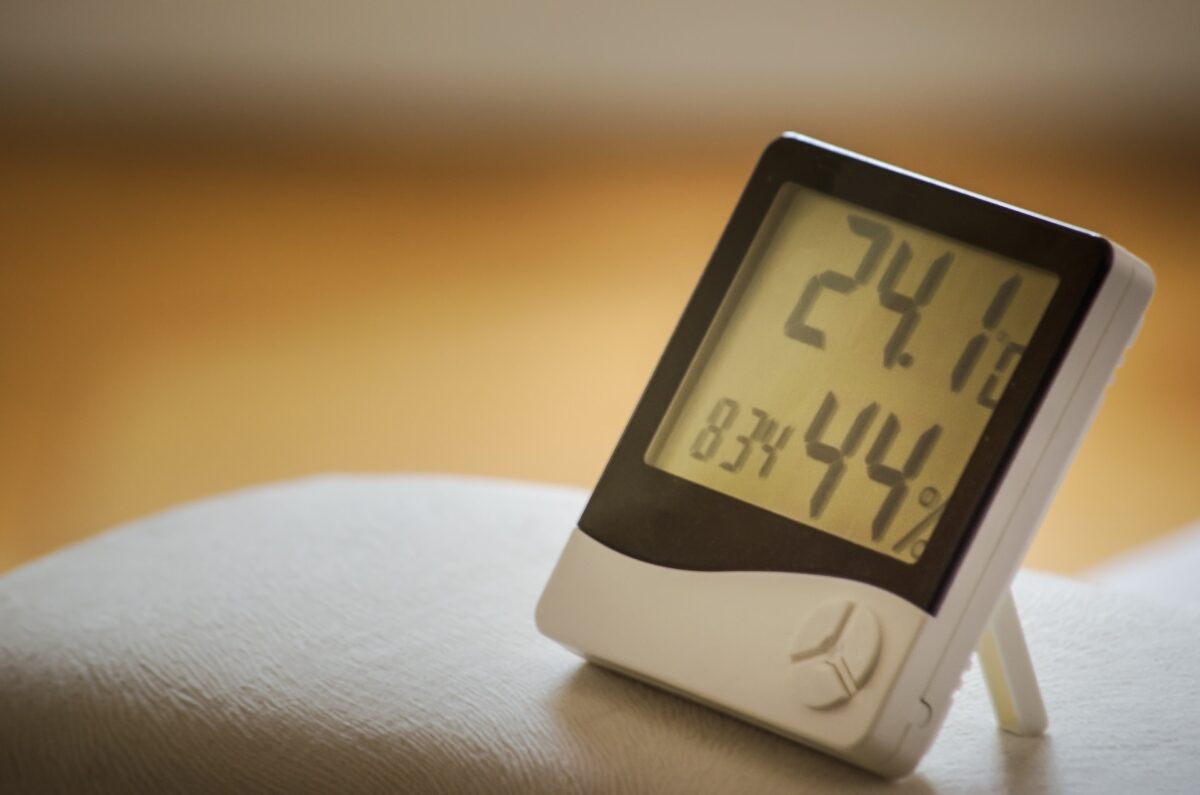
Living in Florida means getting used to a lot of sun and, unfortunately, a lot of humidity too. This invisible culprit might seem like a minor annoyance at first, but it can have far-reaching effects on your home and health. The excess moisture in the air doesn’t just leave your skin feeling sticky; it serves as an open invitation for unwelcome guests like mold and mildew. These fungi are not only unsightly but can also compromise the structural integrity of your home, eating away at walls, ceilings, and floors.
But the impact of high humidity doesn’t stop at your doorstep. It seeps into your indoor air, making your home a less than ideal place, especially for those with respiratory concerns. Asthma and allergy sufferers may find their symptoms worsening due to the proliferation of mold spores and dust mites thriving in damp conditions. Breathing in this compromised air can lead to discomfort and health issues for anyone, particularly affecting children and the elderly who may be more susceptible to respiratory problems.
Moreover, the environment that humidity creates for pests like cockroaches and dust mites can further degrade your home’s air quality, turning it into a place where breathing easily becomes a challenge rather than a given. So, while the issue of high humidity might seem to linger quietly in the background, its effects are anything but subtle, posing sneaky dangers to your home’s structure and the health of its inhabitants.
Understanding the Role of Dehumidifiers in Maintaining Healthy Indoor Air
Dehumidifiers are heroes when it comes to crafting the perfect indoor atmosphere in your Florida abode. These nifty gadgets tackle the invisible problem of excess moisture head-on, working tirelessly to extract water from the air. It’s a simple yet profoundly effective process that directly combats the discomfort and health risks associated with high humidity levels. By maintaining a drier environment, dehumidifiers play a critical role in halting the growth of mold and mildew, those unwelcome intruders that thrive in dampness and can wreak havoc on both your home’s integrity and the air you breathe.
But the benefits of dehumidifiers extend beyond just keeping structural damage and allergens at bay. They also make your living spaces more comfortable. Humidity has a way of making warm temperatures feel hotter, and by reducing moisture in the air, dehumidifiers help your home feel cooler and more pleasant without the need for constant air conditioning. This not only improves your comfort but can also lead to energy savings.
Moreover, for individuals with respiratory conditions or allergies, the difference a dehumidifier makes can be life-changing. By lowering the humidity level, the air becomes easier to breathe, and the environment becomes less hospitable to dust mites and other allergens. This leads to a noticeable improvement in air quality and can significantly mitigate health issues related to poor indoor air.
Exploring HVAC Solutions: From Central Air to Ductless Mini-Splits
Navigating through the array of HVAC options to control humidity in your Florida home can seem daunting, but understanding the difference between central air systems and ductless mini-splits can significantly simplify this process. Both solutions are excellent for reducing indoor moisture levels, but they come with their unique advantages.
Central air conditioning systems are the powerhouse of humidity control, offering a comprehensive solution that cools and dehumidifies your entire home through a network of ducts. They’re particularly suited for larger homes or those with existing ductwork, providing a uniform cooling experience that tackles the high humidity head-on. Central air systems are capable of maintaining a consistent, comfortable climate, ensuring that every room in your home remains free from the oppressive dampness Florida is known for.
On the other hand, ductless mini-splits offer a flexible, targeted approach to humidity control. These systems don’t require ductwork, making them a perfect fit for older homes, additions, or specific areas that need extra attention. Mini-splits consist of an outdoor compressor unit connected to one or more indoor air handling units, allowing you to control the temperature and humidity levels in individual rooms or zones. This not only enhances comfort but can also lead to more efficient energy use, as you’re only cooling and dehumidifying spaces as needed.
Both central air conditioners and ductless mini-splits can significantly improve indoor air quality by removing excess moisture and preventing the growth of mold and mildew. Understanding your home’s specific needs and consulting with a professional from Best Home Services can help you choose the right system to keep your living environment comfortable, healthy, and free from the clutches of high humidity.
Common Issues with Dehumidifying Appliances and How to Address Them
Navigating the world of dehumidifying appliances can sometimes feel like steering a ship through foggy weather—challenges might pop up unexpectedly. But being aware of common problems and knowing how to tackle them head-on can keep your journey smooth.
One frequent issue homeowners face is ice formation on the coils of their dehumidifiers, particularly in cooler environments. This icy buildup can hinder the unit’s performance. To combat this, ensure that your dehumidifier is operating in conditions within its recommended temperature range.
Another hiccup can come in the form of strange odors emanating from the unit. This can often be attributed to a buildup of mold or mildew inside the dehumidifier, especially if maintenance has been on the back burner. Regularly cleaning the water bucket and air filters, as suggested by the manufacturer, can help keep these odors at bay.
Excessive noise is another common complaint. This could indicate a mechanical issue, such as a loose component vibrating during operation. A thorough inspection and tightening of any loose parts can often quiet things down.
Should you encounter these or any other issues with your dehumidifying appliances, remember that sometimes the best course of action is to call in a professional. Best Home Services’ HVAC experts are well-versed in diagnosing and solving such problems, ensuring your dehumidifier continues to efficiently keep your Florida home comfortable and your air quality high.
Choosing the Right Dehumidifier for Your Florida Home
Selecting the ideal dehumidifier for your Florida home involves more than just picking one off the shelf. It’s about understanding the unique needs of your space and how to best combat the relentless Southern humidity. Let’s dive into the factors you should consider to ensure you make a savvy decision.
First up, assess the size of the area you want to dehumidify. Larger spaces might require a more robust system, such as a whole-house dehumidifier, while smaller rooms could be well-served by portable or standalone units. It’s essential to choose a dehumidifier with the capacity to handle the volume of air in your room or house efficiently.
Next, consider the humidity levels you’re dealing with. If you find your windows often fog up or you’re constantly battling with musty odors, you might need a unit with a higher pint capacity per day. This means it can remove more moisture from the air over a 24-hour period, helping to keep those humidity levels in check.
Budget is another crucial consideration. While it’s tempting to go for the cheapest option, remember that energy efficiency and longevity can save you money in the long run. Look for models with Energy Star ratings to ensure you’re getting an efficient dehumidifier that won’t send your energy bills through the roof.
By taking these factors into account, you’ll be well on your way to finding the perfect dehumidifier that keeps your Florida home comfortable and your air quality high, all without breaking the bank.
The Importance of Regular HVAC Inspection and Maintenance
Keeping your home’s air system in tip-top shape is like giving your car regular oil changes—it’s essential for long-term performance and reliability. Regular HVAC inspections and maintenance by the professional technicians from Best Home Services can catch minor issues before they turn into major headaches, ensuring your dehumidifier and other HVAC components operate smoothly and efficiently. This not only helps in avoiding unexpected breakdowns but also keeps your energy costs in check.
During these check-ups, technicians can clean out any dust or debris that might be clogging up your system, check for proper airflow, and make sure all parts are in good working order. Plus, they can offer insights and tips on how to further optimize your indoor air quality and comfort. Investing in this kind of preventative care means you’re looking out for your home’s air health, your pocketbook, and ultimately, the well-being of your family. If the Florida humidity is starting to feel out of control for your home, give Best Home Services a call or book an appointment online today for inspection and repair.