



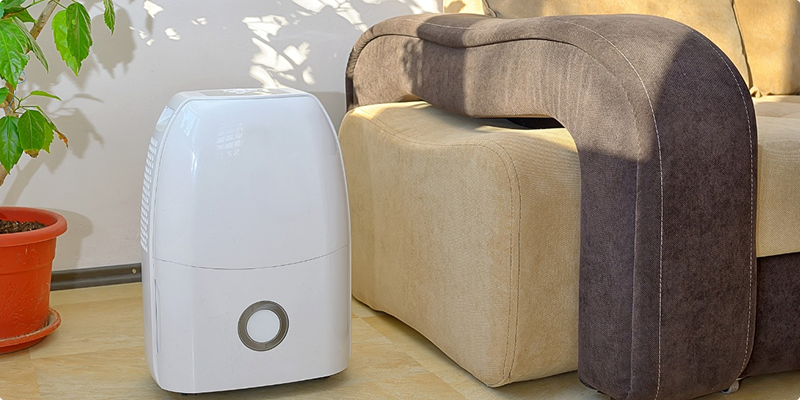
Living in a humid climate presents unique challenges for homeowners, with mold and mildew ranking among the most persistent threats to both property and health. These unwanted guests can silently infiltrate homes, creating unsightly patches on walls, damaging structural materials, and potentially triggering serious health issues.
The battle against mold and mildew isn’t just about cleaning visible growth – it’s about creating an environment where these fungi can’t thrive. The key to winning this battle lies in maintaining proper humidity levels within your home.
Your home’s defense strategy should include:
- Regular monitoring of indoor humidity levels
- Strategic use of dehumidifiers and ventilation systems
- Prompt attention to water leaks and moisture issues
- Professional maintenance of HVAC systems
Understanding and controlling your home’s humidity levels isn’t just about comfort – it’s essential for protecting your investment and safeguarding your family’s health. In this guide from the HVAC and plumbing professionals at Best Home Services, we’ll explore the most effective strategies to keep your humid-climate home mold and mildew-free.
Understanding Mold and Mildew
Mold and mildew are two types of fungi that can invade your home. They have different characteristics and growth patterns.
Mold Characteristics:
- Appears fuzzy or slimy
- Colors range from black to green, blue, or red
- Penetrates beneath surfaces
- Thrives in temperatures between 60-80°F
- Requires moisture levels above 60%
Mildew Characteristics:
- Appears flat and powdery
- Usually gray or white in color
- Stays on material surfaces
- Grows in similar temperature ranges as mold
- Can develop in slightly lower humidity
These unwanted guests establish themselves in areas where moisture meets organic materials. Common breeding grounds include:
- Bathroom walls and ceilings
- Window sills and frames
- Basement corners
- Under-sink cabinets
- Air ducts
- Behind wallpaper
Growth-Promoting Conditions:
- Poor air circulation
- Leaking pipes or roofs
- Condensation on windows
- Steam from cooking or showering
- Flooding or water damage
- Inadequate ventilation in bathrooms and kitchens
The key difference between mold and mildew is their invasiveness — mildew remains surface-level and is typically easier to clean, while mold burrows into materials, often requiring professional removal. Both fungi spread through airborne spores, making proper ventilation crucial in preventing their establishment in your home.
Health Risks Associated with Mold and Mildew
Living with mold and mildew exposure can trigger a range of health issues, from mild discomfort to severe medical conditions. The severity often depends on individual sensitivity and the duration of exposure.
Common Health Effects:
- Persistent sneezing and coughing
- Itchy, watery eyes
- Skin rashes and irritation
- Chronic headaches
- Fatigue and difficulty concentrating
Respiratory Complications:
- Wheezing and shortness of breath
- Asthma attacks in sensitive individuals
- Bronchitis symptoms
- Upper respiratory tract infections
- Sinus congestion and infections
High-Risk Groups:
- Children under age 5
- Elderly individuals
- People with compromised immune systems
- Asthma and allergy sufferers
- Individuals with chronic lung conditions
The presence of mold spores in HVAC systems can amplify these health risks by circulating contaminated air throughout your home. Black mold species produce mycotoxins — harmful compounds that may cause neurological symptoms and severe allergic reactions.
Research indicates prolonged exposure to indoor mold can lead to the development of chronic conditions like hypersensitivity pneumonitis, an inflammation of the lungs that mimics pneumonia symptoms. Some individuals may develop a condition known as “sick building syndrome,” experiencing persistent symptoms while inside affected buildings.
The Impact of Humidity on Homes
High humidity levels can wreak havoc on your home’s structural integrity and indoor air quality. A home’s moisture levels can spike from various sources:
- Daily activities like cooking, showering, and laundry
- Basement seepage and crawl space moisture
- Roof or plumbing leaks
- Poor drainage around foundation
- Flooding events
The ideal indoor humidity range sits between 30% and 50%. When levels climb above this threshold, your home becomes vulnerable to:
Structural Damage
- Warped wooden floors and furniture
- Peeling wallpaper and paint
- Compromised drywall integrity
- Rusted metal fixtures and appliances
Building Material Deterioration
- Rotting wooden support beams
- Weakened foundation materials
- Damaged insulation
- Corroded electrical wiring
High humidity also creates the perfect breeding ground for dust mites, which thrive in environments above 50% humidity. These microscopic creatures can trigger allergies and asthma symptoms in sensitive individuals.
Your HVAC system struggles under excessive moisture conditions, working harder to maintain comfortable temperatures. This increased strain leads to higher energy bills and potential system failures.
Maintaining proper humidity levels protects both your home’s structure and your family’s comfort. Regular monitoring and prompt attention to moisture sources help prevent costly repairs and maintain your home’s value.
Measuring Your Home’s Humidity Levels
Accurate humidity measurement empowers homeowners to maintain optimal indoor conditions. A hygrometer serves as your primary tool for monitoring relative humidity levels in your living spaces.
Types of Humidity Measurement Tools:
- Digital Hygrometers: Display precise readings on an LCD screen
- Analog Hygrometers: Use mechanical components to measure humidity
- Smart Sensors: Connect to your phone for remote monitoring
- Combination Devices: Measure both temperature and humidity
Reading and Interpreting Results
Your hygrometer will display relative humidity as a percentage. Here’s what the numbers mean:
- Below 30%: Too dry — may cause static electricity and respiratory discomfort
- 30-50%: Ideal range for indoor spaces
- Above 60%: High risk for mold and mildew growth
Strategic Placement Tips
Position your humidity measuring devices in these key areas:
- Bathrooms
- Basements
- Crawl spaces
- Living areas
- Near HVAC vents
For reliable readings, place hygrometers away from direct sunlight, air vents, and windows. Take measurements at different times throughout the day to establish humidity patterns in your home.
Calibration Requirements
Most digital hygrometers need periodic calibration to maintain accuracy. Check your device’s calibration every 6-12 months using the salt test method or by comparing readings with a recently calibrated unit.
Using Dehumidifiers to Combat Excess Moisture
Dehumidifiers are powerful tools in the fight against excess moisture. These devices work using a simple process:
- A fan pulls warm, humid air into the unit
- The air moves over cold coils, causing water vapor to condense
- Water droplets gather in a container or drain directly through a hose
- Drier air is released back into your living space
Features That Make Dehumidifiers More Effective
Modern dehumidifiers come with various features to make them more effective:
- Auto-shutoff: Stops operation when the water tank is full
- Digital displays: Shows current humidity levels
- Adjustable humidity settings: Allows customization based on your needs
- Timer functions: Enables scheduled operation during peak humidity hours
Choosing the Right Size Dehumidifier for Your Space
The size of your dehumidifier is important. A unit’s capacity is measured in pints of water removed per day:
- Small rooms (500 sq ft): 30-pint capacity
- Medium spaces (1000 sq ft): 50-pint capacity
- Large areas (1500+ sq ft): 70-pint capacity or larger
Where to Place Your Dehumidifier for Maximum Effectiveness
Strategic placement can make your dehumidifier work better. Put units in areas with:
- Poor air circulation
- High moisture levels
- Limited natural ventilation
- Frequent water exposure
Addressing Plumbing Leaks to Prevent Mold Growth
Hidden plumbing leaks create perfect conditions for mold growth in your home. These sneaky water sources often go undetected until significant damage occurs.
Common Sources of Plumbing Leaks:
- Pipe joints and connections in walls
- Cracked foundations or slabs
- Damaged water supply lines
- Deteriorating seals around fixtures
- Corroded drain pipes
- Loose connections under sinks
Early Warning Signs of Plumbing Leaks:
- Water stains on walls or ceilings
- Musty odors in specific areas
- Unexplained spike in water bills
- Damp spots on floors or walls
- Peeling paint or wallpaper
- Warped or buckling flooring
A professional plumbing inspection from the team at Best Home Services can detect hidden leaks using specialized equipment like:
- Moisture meters
- Infrared cameras
- Video pipe inspection tools
- Pressure testing systems
Regular maintenance checks help prevent small leaks from becoming major problems. Best Home Services’ professional plumbers can spot potential issues in hard-to-reach areas and repair them before mold takes hold. They’ll examine your home’s foundation, check pipe connections, and assess the overall plumbing system’s integrity.
For DIY leak detection, listen for running water when fixtures aren’t in use. Check your water meter readings before and after a two-hour period when no water is used. Any change in the reading indicates a possible leak requiring professional attention.
The Role of Professionals in Mold Prevention and Remediation
Professional HVAC and plumbing inspections from Best Home Services are your first line of defense against mold and mildew growth. Here’s why expert intervention matters:
HVAC System Inspections
- Certified technicians detect early signs of mold in hard-to-reach areas
- Professional cleaning of air ducts removes accumulated debris and moisture
- Expert assessment of system efficiency prevents excess humidity
- Regular maintenance ensures proper air filtration and ventilation
Professional Plumbing Assessments
- Advanced leak detection equipment identifies hidden moisture issues
- Thermal imaging cameras reveal water damage behind walls
- Pressure testing discovers pipe weaknesses before they become problems
- Expert analysis of drainage systems prevents water accumulation
Licensed professionals like the team at Best Home Services bring specialized knowledge and tools that go beyond DIY capabilities. They can spot potential issues in their early stages, saving you from costly repairs and health hazards down the line.
A professional inspection schedule typically includes:
- Quarterly HVAC system checks
- Annual comprehensive ductwork evaluation
- Bi-annual plumbing system assessment
- Immediate response to suspected leaks or moisture issues
These expert services complement your daily maintenance routine and provide peace of mind through thorough documentation and professional recommendations for your specific situation.
Conclusion: Taking Action Against Mold and Mildew In Your Humid Home
Living in Florida’s humid climate requires being proactive against mold and mildew growth. This involves several key strategies:
- Maintain indoor humidity between 30-50% using dehumidifiers and proper ventilation
- Monitor humidity levels regularly with reliable hygrometers
- Address water leaks and moisture issues immediately
- Schedule regular professional HVAC and plumbing inspections with Best Home Services
Your first line of defense against mold is recognizing the warning signs. Look out for musty smells, visible growth on surfaces, or water stains on walls and ceilings. These signs indicate that immediate action is necessary.
Remember: preventing mold growth is significantly easier and less expensive than dealing with an existing problem. By following the strategies outlined in this guide, you can create a healthier living space and safeguard your home’s structure.
Ready to take control of your home’s humidity? Give the HVAC and plumbing professionals at Best Home Services a call or book an appointment online today for a comprehensive inspection and personalized recommendations for your specific situation.
