


Say Goodbye to High Energy Bills with Energy Efficient Air Conditioning Systems


Updated 5/14/2025
Why Energy Efficiency Matters in Florida’s Climate
Florida residents know the struggle all too well: maintaining a comfortable home during scorching summers while watching electricity bills climb to eye-watering heights. The average Florida household spends nearly 40% of its energy budget on cooling alone—significantly higher than the national average. But what if there was a way to maintain perfect indoor comfort while dramatically reducing those monthly energy costs?
Today’s energy-efficient air conditioning systems offer a powerful solution, delivering superior cooling performance while consuming significantly less electricity than older models. These advanced systems represent more than just a way to save money—they’re an investment in your home’s comfort, value, and environmental impact.
In this guide from Best Home Services, we’ll cover the financial and environmental benefits of an energy efficiency AC system, and give you all the information you need to choose the right option for your home.
The Financial Benefits of Energy-Efficient AC Systems
Immediate Financial Benefits
Energy-efficient systems can cut cooling expenses by 20-50% compared to older models, providing immediate relief on your utility bills. Many Florida utility companies offer immediate rebates of $150-$500 for qualifying high-efficiency system installations. Seasonal rebates from major brands can provide upfront savings of $300-$1,200 at the time of purchase. You’ll also enjoy improved comfort at lower cost thanks to better humidity control and more consistent temperatures without the high energy consumption. Plus, you may be eligible for federal tax credits that reduce your tax liability in the first year.
Long-Term Financial Benefits
Modern systems experience fewer breakdowns and require less frequent repairs over their lifetime. Quality energy-efficient units typically last 15-20 years versus 10-12 years for standard models. Energy-efficient HVAC systems can increase your property’s market value by 5-7% when selling. Greater efficiency provides insulation against future utility rate increases. The typical payback period of 3-5 years means you’ll enjoy 10+ years of savings after recouping your initial investment.
Understanding the Real Cost Equation
While energy-efficient systems often have higher upfront costs, the total ownership equation strongly favors efficiency. For a typical 2,000-square-foot Florida home, upgrading from an older 10 SEER unit to a modern 16 SEER system can save hundreds annually on energy costs. This means your investment often pays for itself within 3-5 years while providing superior comfort throughout.
Available Financial Incentives
The financial case becomes even more compelling when you factor in available incentives. Many Florida power companies offer rebates of $150-$500 for qualifying high-efficiency systems. Energy-efficient AC installations may qualify for federal tax incentives. Seasonal promotions from major brands can provide additional savings of $300-$1,200. Special low or zero-interest financing programs for energy-efficient upgrades are often available.
Environmental Impact and Sustainability
Reducing Your Carbon Footprint
Modern energy-efficient air conditioning systems deliver significant environmental benefits that matter to increasingly eco-conscious homeowners. Reduced electricity usage means fewer carbon emissions from power generation. New systems use environmentally friendly refrigerants with dramatically lower global warming potential. Efficient systems help prevent brownouts and reduce the need for additional power plants. Less frequent replacement means fewer units in landfills.
Beyond Energy: Additional Environmental Benefits
Energy-efficient systems often include enhanced filtration technologies that improve indoor air quality by capturing airborne particles, allergens, and pollutants. This creates a healthier home environment while reducing outdoor pollution that can result from excessive energy consumption.
Understanding Efficiency Ratings: What the Numbers Mean
SEER Ratings Explained
The Seasonal Energy Efficiency Ratio (SEER) is the primary measurement of an air conditioner’s efficiency. Think of it as the “miles per gallon” rating for your cooling system. As of 2023, new AC units must have a minimum SEER rating of 14 in southern states like Florida. SEER 16-18 provides excellent efficiency for most Florida homes. SEER 20+ delivers maximum energy savings in larger homes or for those seeking ultimate efficiency.
Beyond SEER: Other Important Efficiency Indicators
While SEER ratings get most of the attention, other factors also impact your system’s real-world efficiency. The Energy Efficiency Ratio (EER) measures efficiency at peak conditions (important for Florida’s hottest days). Variable-speed technology allows the system to run at different speeds rather than just “on” or “off.” Two-stage compression provides more consistent temperature control with less energy waste. Humidity control features are critical in Florida’s climate for both comfort and efficiency.
Choosing the Right System Type for Your Florida Home
Each AC system type has its own strengths and limitations for Florida’s unique climate. For most larger Florida homes, central air conditioning systems remain the popular choice. These systems deliver whole-house cooling through your existing ductwork, providing uniform comfort throughout every room. Modern energy-efficient central systems now come with enhanced humidity control features, which is crucial for Florida’s sticky summers.
Central Air: Whole Home Comfort
Central systems work best when your home already has well-maintained ductwork. Many newer models offer zoning options that let you adjust cooling in different areas of your home. This means you can cool only the parts of your house you’re using, rather than wasting energy on empty rooms.
Ductless Mini-Split Systems: The Flexible Alternative
Ductless mini-splits have become game-changers for many Florida homeowners, especially those with older homes or new additions. These systems don’t need any ductwork, making them perfect for homes where installing ducts would be difficult or expensive.
The biggest advantage of mini-splits is their zone-specific cooling. Each indoor unit cools just one area, so you can set different temperatures in different rooms. This targeted approach can save you money by cooling only the spaces you use most. Mini-splits are also extremely efficient, with many models reaching SEER ratings over 20. This higher efficiency is partly because they don’t lose cooling through leaky ducts, which can waste up to 30% of energy in central systems.
For Florida homeowners with historic properties, room additions, or converted spaces like garages, mini-splits offer efficient cooling without major construction. They’re also great for creating personalized comfort zones in different parts of your home.
Window and Portable Units: Budget-Friendly Options
For smaller spaces or when you’re on a tight budget, today’s window and portable AC units can be surprisingly efficient. Modern ENERGY STAR certified window units use about 10% less energy than standard models, and many now come with smart features like programmable timers and remote control.
These units make the most sense for cooling single rooms, apartments, or as supplemental cooling for hot spots in your home. While they typically can’t match the efficiency of central or mini-split systems, they offer a quick, affordable way to boost your comfort without a major investment.
The HVAC professionals at Best Home Services have the knowledge and expertise to guide to you the AC option that is best for your home.
Smart Technology: The Key to Maximum Savings
No matter which type of system you choose, adding smart technology can significantly boost your energy savings. Smart thermostats represent one of the most cost-effective ways to reduce cooling costs, often paying for themselves within a year or two.
Today’s smart thermostats do much more than just follow a schedule. They learn your habits and adjust cooling automatically based on when you’re home. Many use geofencing to detect when your phone leaves or approaches your house, adjusting temperatures accordingly. Some can even monitor humidity levels and optimize your system’s dehumidification features.
The savings are substantial – studies show smart thermostats can reduce cooling costs by 8-15% beyond what you’ll already save with an efficient AC system. This makes them a smart addition whether you’re installing a new system or looking to improve your existing one. Talk to the AC experts at Best Home Services about smart cooling options for your home.
Professional Sizing and Installation Matter
The most critical factor affecting your system’s efficiency isn’t the brand or even the SEER rating – it’s proper sizing and installation. An undersized system will run constantly and never cool your home properly, while an oversized system will cycle on and off frequently, wasting energy and providing poor humidity control.
Professional load calculations consider many factors specific to your home: square footage, insulation levels, window efficiency, ceiling heights, sun exposure, and even the number of people typically in your home. This detailed assessment ensures your system is perfectly matched to your cooling needs.
Even the most efficient system will perform poorly if installed incorrectly. Professional installation with Best Home Services ensures proper refrigerant charge, airflow, and electrical connections – all essential for optimal efficiency. Studies show that improper installation can reduce system efficiency by up to 30%, essentially canceling out the benefits of your high-efficiency purchase.
Regular Maintenance: The Key to Lasting Efficiency
To keep your air conditioner running at peak efficiency year after year, regular maintenance is absolutely essential. In Florida’s harsh climate, neglecting maintenance can quickly lead to reduced performance and higher energy bills. The good news is that many maintenance tasks are simple enough for homeowners to handle themselves.
Changing air filters is the single most important maintenance task you can perform. During Florida’s peak cooling season (May through October), check your filters monthly and replace them when they show visible dirt accumulation. Clean filters allow proper airflow through your system, which is crucial for efficiency. When airflow is restricted by dirty filters, your system works harder, uses more energy, and cools less effectively.
Beyond filter changes, keeping outdoor units clear of debris is another simple but important step. Florida’s climate means plants grow quickly, so trim back any vegetation that’s within two feet of your outdoor unit. Remove leaves, grass clippings, and other debris that can block airflow through the condenser coils.
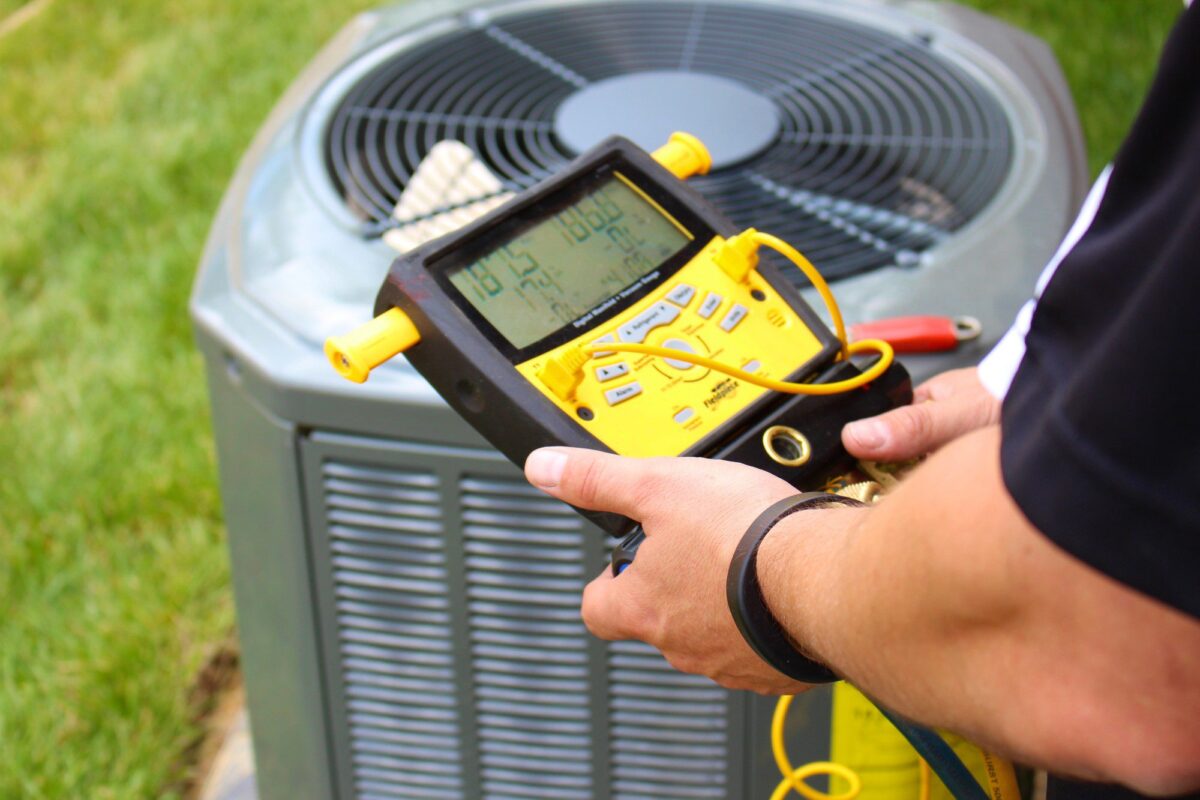
For more technical maintenance, professional service is recommended at least once a year. A qualified technician from Best Home Services will clean your evaporator and condenser coils, check refrigerant levels, test electrical components, and ensure your system is operating at maximum efficiency. This annual checkup often pays for itself by preventing small issues from becoming major problems and keeping your system running efficiently.
Making Energy-Efficient Choices for Your Florida Home
When choosing a new AC system, several factors will affect which option makes the most sense for your specific situation. Your home’s size and layout are primary considerations – larger homes typically require central systems, while smaller homes or those with unique layouts might benefit more from ductless options.
Your existing infrastructure also matters. If your home already has well-maintained ductwork, a high-efficiency central system is often the most cost-effective choice. For older homes without ducts or for additions to your home, ductless mini-splits can provide targeted cooling without expensive duct installation.
Budget considerations should include both upfront costs and long-term savings. While more efficient systems typically cost more initially, they can save you thousands over their lifetime. Remember to factor in available rebates and tax incentives when comparing prices.
Your personal comfort priorities also affect system selection. If maintaining precise temperatures throughout your home is important, a variable-speed central system may be best. If you want different temperatures in different rooms, mini-splits offer the most flexibility.
The AC professionals at Best Home Services are here to help. We have the expertise and experience to help you find the right system for your home and family.
Conclusion
Energy-efficient air conditioning is a smart investment for any Florida homeowner. From central air systems with advanced features to flexible ductless mini-splits and budget-friendly window units, today’s options offer significant improvements over older models. The right choice depends on your specific home, budget, and comfort priorities.
Smart technology adds another layer of efficiency, with programmable thermostats and zoning systems helping you cool only what needs cooling. And remember, proper sizing and professional installation are just as important as choosing a high-efficiency unit – even the best system will underperform if incorrectly sized or installed.
Regular maintenance is essential to preserve your efficiency investment. Simple steps like changing filters monthly during peak season and keeping outdoor units clear of debris can maintain performance, while annual professional maintenance helps prevent efficiency loss over time. By combining the right system choice with proper installation and ongoing maintenance, you can enjoy comfortable, efficient cooling in your Florida home for years to come.
Ready to find a new energy efficient cooling system for your home? Give Best Home Services a call or book an appointment online today.