


The Top 5 Plumbing Issues Homeowners Should Be Aware Of

Plumbing problems can turn a normal day into a stressful one in just minutes. From the annoying drip of a leaky faucet to the panic of a burst pipe, these issues not only disrupt our daily lives but can also lead to expensive repairs. The average home experiences at least one major plumbing problem every year, with some issues wasting up to 10,000 gallons of water annually. Understanding these common problems helps you spot warning signs early, saving both money and headaches. Best Home Services has created this guide to help you stay ahead of plumbing issues that can ruin your day and drain your wallet.

Leaky Faucets and Pipes

Leaky faucets are probably the most common plumbing issue homeowners face. That constant drip isn’t just annoying—it wastes water and increases your bill. Most leaks happen because of worn-out washers or O-rings that no longer create a proper seal. Over time, these small parts wear down from regular use.

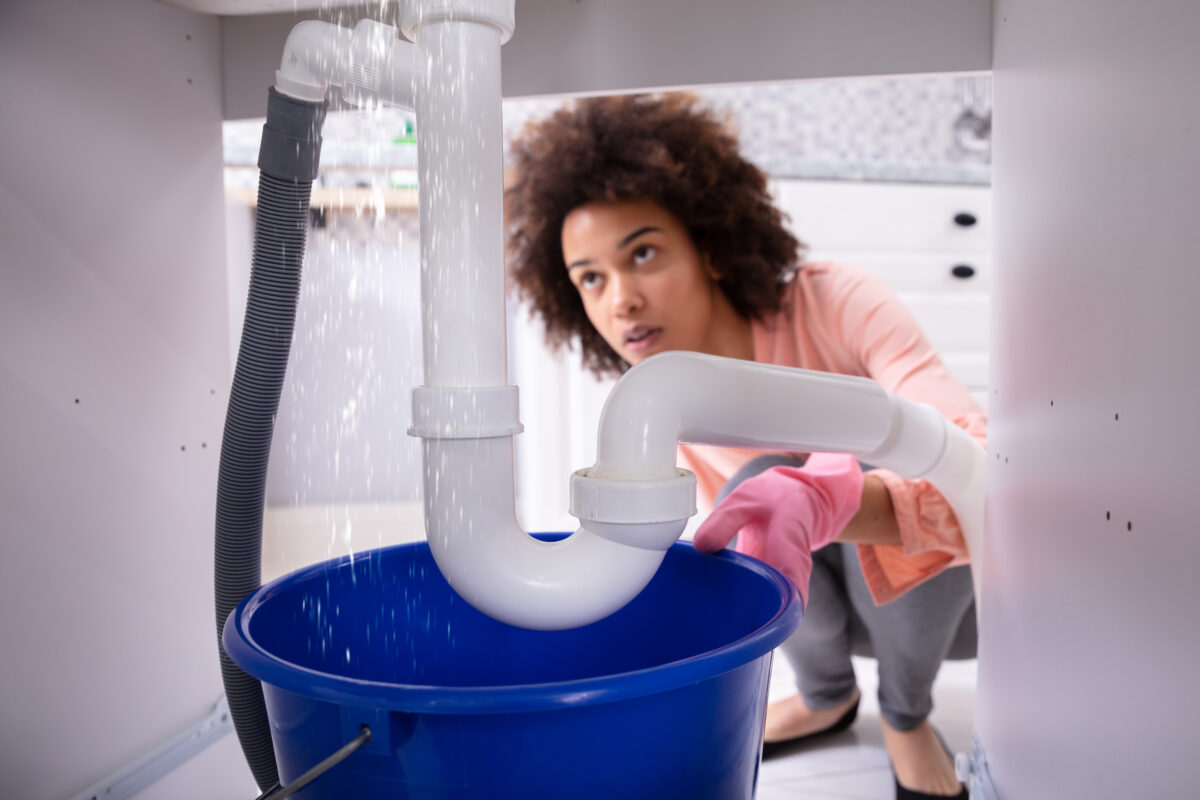
Pipe leaks can be even more troublesome, especially when they occur inside walls or under floors. These hidden leaks often go unnoticed until they’ve already caused damage. Watch for signs like water stains on walls or ceilings, unexplained dampness, or a sudden increase in your water bill.

The good news is that fixing a leaky faucet is often a simple DIY job. You’ll need to turn off the water supply, remove the faucet handle, and replace the washer or O-ring. For pipe leaks, however, it’s usually best to call a professional plumber to assess the situation and make proper repairs.

Clogged Drains and Toilets

Nothing disrupts your routine quite like a clogged drain or toilet. Kitchen sink clogs typically happen when food particles, grease, and oils build up over time. In bathrooms, hair and soap scum are the usual culprits.

Prevention is your best defense against clogs. Use drain covers to catch hair in showers and bathtubs. Never pour grease down kitchen drains—instead, collect it in a container and throw it in the trash when it cools. For toilets, only flush toilet paper and human waste.

When clogs do happen, a plunger is your first line of defense. For sinks and showers, try a mixture of baking soda and vinegar followed by hot water to break down buildup. If these methods don’t work, a drain snake can help remove stubborn clogs. For persistent problems, you may need professional drain cleaning to remove built-up debris completely.

Running Toilets

A toilet that continues to run after flushing wastes a tremendous amount of water—up to 200 gallons per day! This problem usually stems from issues with internal components like the flapper valve or fill valve.

To check if your toilet is running, put a few drops of food coloring in the tank. If color appears in the bowl without flushing, you have a leak. Most running toilet issues can be fixed by replacing the flapper valve, which is the rubber seal that prevents water from continuously flowing from the tank to the bowl.

Replacing a flapper valve is a simple DIY fix that costs under $10. Simply turn off the water supply to the toilet, flush to empty the tank, disconnect the old flapper, and install the new one. If replacing the flapper doesn’t solve the problem, the fill valve might need replacement as well.

Low Water Pressure

When your shower feels more like a drizzle than a downpour, you’re dealing with low water pressure. This frustrating problem can make simple tasks like washing dishes or taking a shower take much longer than necessary.

Low pressure often results from mineral buildup in pipes or fixtures, particularly in areas with hard water. Other causes include leaks in the water line, partially closed valves, or issues with the municipal water supply.

Start by checking faucet aerators and showerheads for mineral deposits. Soaking these parts in vinegar overnight can dissolve buildup and improve flow. If cleaning fixtures doesn’t help, check that the main water valve is fully open. For persistent pressure problems, a professional plumber from Best Home Services can help determine if you have hidden leaks or if your pipes need descaling.

Water Heater Problems

Cold showers are never fun, especially when they’re unexpected. Water heater issues rank among the most disruptive plumbing problems because they affect your entire home’s hot water supply.

Common water heater problems include inadequate hot water, strange noises, leaks around the base, or discolored water. These issues typically stem from sediment buildup, faulty heating elements, or worn-out parts.

Regular maintenance can prevent many water heater problems. Flushing your water heater once a year removes sediment that reduces efficiency and shortens its lifespan. If your water heater is over 10 years old and showing signs of trouble, it might be time for a replacement.

For water heater repairs, it’s usually best to call Best Home Services for professional plumbing expertise. These systems involve both plumbing and electrical or gas components, making them potentially dangerous for DIY repairs.

Regular inspection of your home’s plumbing can help catch these issues before they become major problems. By being aware of these common plumbing issues, you’ll be better prepared to address them quickly or even prevent them entirely.

Practical DIY Fixes for Minor Plumbing Issues

Now that we’ve explored the most common plumbing problems homeowners face, let’s look at some simple DIY fixes you can handle on your own. With a few basic tools and a little know-how, you can tackle many minor plumbing issues before they become major headaches.

The right tools make all the difference when facing a plumbing problem. Every homeowner should have a good plunger, adjustable wrench, pipe wrench, plumber’s tape, and a basic drain snake. Keep these tools in an easy-to-reach spot so you can address problems quickly before they get worse.

Shut-off valve

Knowing how to shut off your water is perhaps the most important plumbing skill. Find your main water shut-off valve today—before you need it in an emergency. It’s usually located where the main water line enters your home, often in the basement, crawlspace, or near the water heater. Make sure everyone in your household knows where it is and how to turn it off.

Faucet leaks

For leaky faucets, start by turning off the water supply under the sink. Remove the faucet handle by unscrewing the decorative cap and removing the screw underneath. Take out the stem and replace the washer or O-ring that’s causing the leak. When putting everything back together, avoid over-tightening connections, which can cause damage and create new leaks.

Running toilet

Fixing a running toilet is another simple repair that can save water and money. After removing the tank lid, check the flapper—the rubber seal at the bottom of the tank. If it’s worn or misaligned, it won’t seal properly, causing water to continuously flow into the bowl. Replacement flappers cost under $10 at any hardware store. Just turn off the water, flush to empty the tank, disconnect the old flapper, and attach the new one.

Clogged drains

For slow drains, skip the harsh chemical cleaners that can damage your pipes over time. Instead, try pouring a half-cup of baking soda down the drain, followed by a half-cup of vinegar. After it fizzes for about 30 minutes, flush with hot water. For tougher clogs, a drain snake can help remove hair and debris that’s stuck deeper in the pipe.

Water pressure

When dealing with low water pressure in a faucet, first check if the aerator (the screen at the tip of the faucet) is clogged with mineral deposits. Unscrew it and soak it in vinegar overnight to dissolve buildup, then rinse thoroughly before reattaching.

It’s important to know your limits with DIY plumbing. Some issues are simply beyond the scope of most homeowners and require professional help. Complex problems like sewer line backups, persistent leaks, or anything involving your home’s main water line should be handled by the plumbing experts from Best Home Services.

Also, be cautious when working on water heaters. These systems involve both plumbing and electrical or gas components, making them potentially dangerous for DIY repairs. If your water heater is leaking or not producing hot water, it’s best to call a professional plumber from Best Home Services who has the proper tools and training.

Keeping a record of any repairs you make can be helpful for future maintenance or when selling your home. Take photos before, during, and after repairs, and note the date and type of work done. This documentation helps track recurring issues and provides valuable information for future homeowners or plumbers.

By handling these basic DIY fixes, you can save money on service calls and gain a better understanding of your home’s plumbing system. When in doubt, though, don’t hesitate to call a professional. The cost of a plumber is often much less than repairing water damage from a DIY attempt gone wrong.

The Hidden Dangers of Plumbing Problems: What Homeowners Need to Know

When plumbing issues go unaddressed, they can lead to serious and costly consequences for your home. Understanding these risks will help you prioritize repairs and protect your property from damage. Let’s look at what can happen when you ignore those drips, clogs, and pressure problems.

Water damage and mold

Water damage is perhaps the most obvious risk of untreated leaks. Even a small drip can soak into walls, floors, and ceilings over time. This moisture creates the perfect environment for mold growth, which typically starts within 24-48 hours in damp conditions. Beyond being unsightly, mold can trigger allergies and respiratory problems for your family. The moisture can also rot wood structures, weaken drywall, and damage insulation, compromising your home’s structural integrity.

Costly repairs

Your wallet takes a hit too. A single leaking faucet dripping once per second wastes about 3,000 gallons of water per year – that’s enough to fill a small swimming pool! More significant leaks waste much more, silently driving up your water bills month after month. Water damage restoration is also expensive, often costing thousands of dollars depending on the extent of the damage.

Low water pressure

Chronic low water pressure doesn’t just make for frustrating showers. It can be a sign of pipe corrosion or mineral buildup, which restricts water flow. Over time, this strain can damage fixtures and reduce the lifespan of appliances like dishwashers and washing machines. When these appliances have to work harder due to inadequate water supply, they wear out faster and use more energy.

Recurring problems

Recurring clogs and backups present another serious risk. Beyond the obvious inconvenience, they can lead to sewage backing up into your home – a health hazard that brings harmful bacteria and unpleasant odors. In severe cases, this wastewater can flood your home, ruining flooring, furniture, and personal belongings. The cleanup process is not only expensive but also disruptive to your daily life.

Decreased home value

Home value is also at stake when plumbing problems persist. During a home inspection, unresolved plumbing issues will be flagged, potentially complicating the sale of your property or reducing its value. Buyers are often wary of homes with plumbing problems, as they signal possible hidden damage or future expenses.

Insurance coverage

Another often-overlooked risk is the impact on your insurance coverage. Many homeowners are surprised to learn that their insurance policies may not cover damage from long-term, neglected leaks. Insurance companies typically cover sudden, accidental water damage but may deny claims for damage resulting from poor maintenance or neglect. This means you could be fully responsible for repairs that could have been prevented.

Preventive Maintenance: The Key to Plumbing Health

Regular maintenance is the best defense against costly plumbing disasters. A proactive approach not only prevents problems but also extends the life of your entire plumbing system.

Start with simple habits like checking visible pipes under sinks and around toilets for signs of moisture every few months. Run your hand along pipes to feel for dampness that might not be visible. Pay attention to water pressure changes, unusual sounds in your pipes, or drains that are emptying more slowly than usual – these are early warning signs that shouldn’t be ignored.

For fixtures, remove and clean faucet aerators annually to prevent mineral buildup. This simple task helps maintain proper water flow and pressure. Similarly, checking toilet flappers and fill valves periodically can prevent leaks and running toilets. These small components wear out over time and are inexpensive to replace before they cause problems.

Water heaters need attention too. Flush your water heater once a year to remove sediment buildup, which can reduce efficiency and shorten its lifespan. Check the pressure relief valve regularly to ensure it’s working properly – this important safety feature prevents dangerous pressure buildup inside the tank.

For your drains, avoid using harsh chemical cleaners regularly. Instead, prevent clogs by using drain covers to catch hair and debris, and flush drains monthly with hot water followed by a mixture of baking soda and vinegar. This natural cleaning method helps keep drains clear without damaging your pipes.

Consider scheduling a professional plumbing inspection with Best Home Services every two years, even if you don’t notice any problems. Plumbers can spot potential issues in hard-to-see areas like sewer lines using specialized equipment like video cameras. They can also check for proper water pressure and identify pipes that may be nearing the end of their useful life before they fail.

Conclusion

Taking care of your home’s plumbing system is a wise investment that pays off through prevented damage, lower utility bills, and fewer emergency repairs. When you understand both the common problems and their potential consequences, you’re better equipped to protect your home and your wallet.

Remember that while DIY maintenance is valuable, knowing when to call a professional is equally important. Some issues require specialized tools and expertise to address properly. By balancing regular maintenance with timely professional help, you can keep your plumbing system running smoothly for years to come.

Taking action now to address small problems prevents them from becoming major headaches later. Whether it’s fixing that dripping faucet, investigating low water pressure, or scheduling a professional inspection, every step you take helps safeguard your home against the hidden dangers of plumbing problems. Get in touch with the plumbing experts at Best Home Services to keep your home’s pipes and fixtures in top condition.

Clear All Year: The Importance of Year-Round Drain Maintenance

Are your drains blocked? Has your sink been overflowing more frequently than usual? If so, then it’s time to take action and ensure your drains are in good working order all year round. Year-round drain maintenance is essential for homeowners, as it can prevent blockages and overflows during the busiest times of the year. With increased use during the holidays, it’s important to have a yearly drain inspection to ensure everything is flowing as it should. During the summer months, there’s often more water usage and more debris getting washed down the drains which can lead to clogs if not taken care of properly. In the winter, grease and oils are the main culprits of clogs, so having your drains inspected and cleaned regularly is key. Homeowners should schedule a yearly drain inspection to ensure their plumbing is working properly and any potential problems are caught early. Keeping up with regular year-round maintenance will help you avoid any nasty surprises and keep your home running smoothly.

The importance of year-round drain maintenance

Year-round drain maintenance is crucial for homeowners to ensure the proper functioning of their plumbing systems. By prioritizing regular drain inspections and cleanings, you can prevent blockages, clogs, and costly repairs down the line.

One key aspect of year-round drain maintenance is drain clearing during holidays. The holiday season often brings increased use of our drains with all the cooking, cleaning, and washing that takes place. By scheduling a drain clearing service before the holidays, you can ensure that your drains are ready to handle the extra load. This proactive step can help you avoid the stress and inconvenience of clogged drains or even a plumbing disaster during your festive celebrations.

Additionally, the way we use our drains changes between summer and winter. During the summer months, outdoor activities like gardening and barbecues can lead to more debris and dirt entering our drains. Regular drain clearing during summer can help prevent clogs and blockages caused by this additional gunk. In winter, freezing temperatures can pose a threat to our drains, making it crucial to maintain them before the cold sets in.

Overall, year-round drain maintenance is essential for homeowners to ensure a smoothly functioning plumbing system. By staying proactive and scheduling regular inspections, you can catch any potential issues early and keep your drains in optimal condition. Don’t wait for drain problems to arise; schedule an inspection with Best Home Services and enjoy a stress-free home throughout the year.

Increased drain use during the holiday

During holiday seasons, our drains experience increased use and face extra challenges. With all the cooking, cleaning, and washing that takes place, it’s no wonder that drains can become overwhelmed—especially when guests come to stay. That’s why drain clearing during holidays is essential to keep everything flowing smoothly.

Think about it – all that holiday cooking involves washing dishes, rinsing vegetables, and disposing of food scraps. This can put a strain on your drains and increase the risk of clogs and blockages. By scheduling a drain clearing service with Best Home Services before the holidays, you can ensure that your drains are in top shape to handle the extra load.

Holiday gatherings often mean more people using the bathroom and taking showers. With the increased water usage, your drains can easily become overwhelmed, leading to slow drains or backups. Don’t let a clogged drain ruin your holiday celebrations. Prioritizing drain clearing during holidays will give you peace of mind and prevent any plumbing disasters from occurring.

So, as you prepare for the holidays, don’t forget to include drain clearing in your to-do list. By taking this proactive step, you can avoid the stress and inconvenience of clogged drains and enjoy a smoothly functioning plumbing system throughout the festive season. Get in touch with the Naples plumbing professionals at Best Home Services to schedule an appointment today.

Changes in seasons mean changes in drain use

As the seasons change from summer to winter, often our use of drains does as well. During the summer months, we tend to spend more time outdoors, engaging in activities like gardening and grilling. This increased outdoor time means more dirt, debris, and other gunk finding its way into our drains. That’s why regular drain clearing during summer is crucial to prevent clogs and blockages caused by this additional buildup.

On the other hand, winter brings its own set of challenges for our drains. Colder temperatures can pose a threat to our plumbing system, as cracked or broken pipes can lead to costly repairs. That’s why it’s essential to maintain our drains before the cold weather sets in. By scheduling a drain clearing service before winter arrives, you can ensure that your drains are in optimal condition and less susceptible to freezing and clogs.

Overall, being aware of the changes in our drain usage between summer and winter is important for year-round maintenance. By staying proactive and scheduling regular drain inspections and cleanings, you can prevent any potential issues and keep your plumbing system running smoothly throughout the year. Don’t wait for problems to arise; call Best Home Services now and enjoy the peace of mind that comes with a well-maintained drain system.

When to have your drains inspected

When it comes to the frequency of drain inspections, it’s important to strike a balance. While it’s crucial to have regular inspections to catch any potential issues early on, there is no one-size-fits-all answer to how often homeowners should have their drains inspected.

A good rule of thumb is to have a professional drain inspection at least once a year. This annual check-up will ensure that your drains are in good working order and help prevent any major problems from occurring. However, there are certain circumstances where more frequent inspections may be necessary.

For example, if you have a large household or regularly host gatherings, you may want to consider more frequent inspections. The increased use during these times can put a strain on your drains, making drain clearing during holidays or other busy periods essential to prevent any clogs or blockages.

Additionally, if you notice any signs of drainage issues, such as slow drains or foul odors, it’s important to schedule a drain inspection right away. These could be indications of a more significant problem that needs to be addressed promptly.

Ultimately, the frequency of drain inspections will depend on your specific circumstances. Consulting with a professional drain cleaning with Best Home Services can help determine the best schedule for your home. By staying proactive and prioritizing regular inspections, you can ensure that your drains are well-maintained and functioning properly all year round.

Signs of drainage issues

No one wants to deal with a clogged drain or a plumbing disaster. That’s why it’s important to be on the lookout for signs of drainage issues in your home. By catching these problems early on, you can prevent further damage and costly repairs. So, what are some signs that your drains may be in trouble?

One clear indication of a drainage issue is slow drains. If water is taking longer than usual to drain from your sinks, showers, or bathtub, it’s a sign that there may be a clog or blockage in your pipes. Another sign to watch out for is foul odors coming from your drains. If you notice a persistent, unpleasant smell, it could be a sign that food, hair, or other debris is trapped in your drains and starting to decompose.

Another red flag is gurgling or bubbling sounds coming from your drains. This could indicate that air is trapped in your pipes, often caused by a blockage. In some cases, you may even experience backups or overflows. If water is backing up into your sinks or toilets, it’s time to take action and call in a professional.

Don’t wait for these signs to worsen. If you notice any of these indicators, it’s important to schedule a drain clearing service as soon as possible. This will help prevent any further damage and ensure that your drains are in good working order, especially during the busy holiday seasons. Remember, proactive maintenance is key to avoiding any unpleasant surprises and keeping your home running smoothly.

Benefits of professional drain clearing and inspection

When it comes to maintaining the health of your drains, hiring a professional drain clearing and inspection service can provide numerous benefits. First and foremost, professionals have the expertise and specialized equipment to effectively clear any clogs or blockages in your drains. They can identify the source of the problem and take the necessary steps to resolve it, ensuring that your drains are flowing smoothly once again.

Additionally, professional drain clearing services can also provide preventive maintenance, which is crucial for avoiding future issues. By regularly inspecting your drains, professionals can identify any potential problems before they become major headaches. They can spot signs of wear and tear, identify areas prone to clogs, and provide recommendations for maintenance or repairs. This proactive approach can save you time, money, and stress down the line.

Furthermore, hiring professionals for drain clearing during holidays can give you peace of mind during the busy festive season. With increased use and the risk of clogs and blockages, having experts come in and clear your drains ensures that everything runs smoothly and that you can focus on enjoying your holiday celebrations without worrying about plumbing disasters.

In summary, professional drain clearing and inspection services offer numerous benefits. They can effectively clear any clogs or blockages, provide preventive maintenance to avoid future issues, and give you peace of mind during holiday seasons. Don’t underestimate the value of professional expertise when it comes to keeping your drains in optimal condition all year round. Give the trusted Naples plumbing experts at Best Home Services a call to schedule an inspection.

When to Turn to a Professional for Your Drain Clearing Needs

Are you facing a slow-running drain or a total clog? Are you unsure of when to turn to a professional for drain clearing services? Many homeowners find themselves in the same situation. It’s important to know when a plumbing issue requires the help of an expert. That’s why we’ve created this blog post to help explain the confusion around when to call a professional for drain clearing. We’ll discuss common plumbing issues and when it’s necessary to hire a professional for professional drain cleaning.

Understanding Common Drain Issues

When it comes to dealing with drain problems, it’s important to have a good understanding of the common issues that homeowners face. By recognizing these issues, you can better assess when it’s time to call in a professional for drain clearing.

Clogged drains

One of the most common drain issues is a clogged drain. This can occur due to a variety of reasons, such as a buildup of hair, soap scum, or food particles. While minor clogs can often be cleared with DIY methods, recurring or stubborn clogs may require the expertise of a professional. They have the tools and knowledge to effectively clear the blockage and prevent further issues.

Slow drains

Another common issue is slow drainage. If you notice that your sinks, showers, or toilets are taking longer to drain than usual, it could be a sign of a blockage or a more serious problem further down the line. Professional drain maintenance can help identify the root cause of the slow drainage and provide long-term solutions to ensure optimal drain functioning.

Leaky pipes

Leaky pipes are another common issue that homeowners face. This can occur due to old or deteriorating pipes, improper installation, or excessive water pressure. While some minor leaks can be temporarily fixed with DIY methods, it’s important to have a professional assess the situation to prevent further damage and potential water wastage.

By understanding these common drain issues, you can better assess when it’s necessary to call in a professional for drain clearing. Don’t let these issues cause further damage to your plumbing system—take action and seek professional help from Best Home Services to ensure the long-term health and functionality of your drains.

Signs You Need a Professional

While some drain issues can be resolved with simple DIY methods, there are certain signs that indicate you need to call a professional for drain clearing. One major sign is recurring or persistent clogs. If you find yourself constantly dealing with clogged drains, despite your best efforts to clear them, it’s time to seek professional help. This could be an indication of a more serious underlying issue that requires expert attention.

Another sign that you need a professional is foul odors coming from your drains. If you notice a persistent unpleasant smell coming from your drains, it could be a sign of a blockage or buildup of debris. A professional can properly diagnose the issue and eliminate the source of the odor.

Additionally, if you’re experiencing multiple drains in your home being clogged or draining slowly, it could be a sign of a larger plumbing problem. This could indicate a blockage in your main sewer line, which requires specialized equipment and expertise to clear.

Finally, if you’ve attempted DIY methods but the problem persists or worsens, it’s time to call in the Naples plumbing professionals from Best Home Services. They have the necessary tools, knowledge, and experience to tackle even the most stubborn clogs and restore your drains to optimal functionality. Give us a call at 239-420-7647.

Reasons to Hire a Professional for Drain Clearing

When it comes to maintaining and clearing your drains, there are several reasons why it’s beneficial to hire a professional. One of the main reasons is that professionals have the expertise and knowledge to accurately diagnose and address your drain issues. They have undergone extensive training and have a deep understanding of how plumbing systems work, allowing them to identify the root causes of your problems and provide effective solutions.

Another reason to hire a professional for drain clearing is their access to specialized tools and equipment. DIY methods may provide temporary relief, but professionals have state-of-the-art equipment that can effectively clear even the most stubborn clogs. Their tools are specifically designed to tackle various types of blockages, ensuring that your drains are cleared properly and efficiently.

Furthermore, professional drain maintenance can help prevent future drain issues. By investing in regular inspections and cleanings, professionals can identify potential problems before they escalate into major issues. They can also provide long-term solutions that prevent further clogs and keep your drains flowing smoothly.

Hiring a professional for drain clearing also saves you time and money. Instead of spending hours trying to unclog a drain or wasting money on ineffective DIY products, a professional can quickly and effectively resolve your drain issues. Their efficient and reliable services allow you to get back to your daily routine without any hassle or frustration.

Overall, professional drain maintenance is essential for ensuring the long-term health and functionality of your drains. By hiring a professional, you can trust that your drain issues will be properly addressed, saving you time, money, and stress. Don’t hesitate to reach out to the trusted plumbing experts at Best Home Services for your drain clearing needs and enjoy the peace of mind that comes with a properly functioning plumbing system. Give us a call at 239-420-7647.

Choosing the Right Professional for Your Drain Clearing Needs

Choosing the right professional for your drain clearing needs is crucial to ensure the job is done right and your plumbing system is in good hands. With so many options out there, it’s important to do your research and select a reputable company with experience in drain clearing.

First, look for a company that specializes in drain clearing. While general plumbers may offer drain clearing services, it’s best to choose a professional who has specific expertise in this area. They will have the knowledge, tools, and experience necessary to effectively tackle even the toughest drain issues.

Next, read reviews and testimonials from previous customers. This will give you insight into the quality of their work and their level of customer satisfaction. Look for companies that have a history of providing reliable and efficient services.

It’s also important to consider the company’s response time and availability. Drain issues can arise at any time, so choose a professional who offers 24/7 emergency services. This ensures that help is available whenever you need it, minimizing the risk of further damage to your plumbing system.

Lastly, consider the pricing and warranty options offered by the company. While it’s important to find a professional within your budget, be wary of extremely low prices, as they may indicate low-quality work. Look for a company that offers fair and transparent pricing, and inquire about any warranties or guarantees on their services. Best Home Services is Naples’s trusted plumbing team for expert service. Give us a call at 239-420-7647.

Professional Drain Snaking Cost Factors

If you’re dealing with a clogged drain, you know that it can be a big hassle. Most of the time, the most effective way to clear a clog is to have a plumber snake the drain. Snaking a drain entails using a flexible auger to break up and remove blockages from within your pipes. But how much does it cost to hire a professional plumber for drain snaking services? When it comes to drain snaking, you want to make sure that you’re getting the best service possible, and that’s why it’s important to understand the cost to snake a drain professionally. In this blog post, we’ll explore common drain issues, what snaking a drain entails, and why it’s worth paying for professional drain snaking services.

Common drain issues

Dealing with a clogged drain is a common household issue that can cause frustration and inconvenience. Understanding the common drain issues that can occur is important in determining when it’s time to call a professional plumber to snake your drain.

One of the most common drain issues is a slow drain. This can be caused by a build-up of debris, hair, or even tree roots infiltrating the pipes. Another common issue is a completely blocked drain, where water doesn’t drain at all. This can be a result of a large blockage or a more severe problem in the plumbing system.

Leaking or dripping faucets can also indicate a drain issue, as they can be caused by a clog or improper drainage. Unpleasant odors emanating from your drains are another sign of a potential issue. These odors can be caused by stagnant water, decaying debris, or even a blocked vent stack.

Ignoring these common drain issues can lead to further damage and more costly repairs down the line. That’s why it’s crucial to address them promptly and effectively. Hiring a professional plumber who specializes in drain snaking can help to identify and resolve these common drain issues efficiently.

So, if you’re experiencing slow drainage, blockages, leaking faucets, or unpleasant odors, it’s time to call in a professional plumber to snake your drain. They have the expertise and equipment to diagnose and fix the problem, ensuring your drains are clear and your plumbing system functions properly. Don’t let common drain issues become a recurring headache – invest in professional drain snaking services and enjoy the peace of mind that comes with a smoothly running plumbing system.

What is snaking a drain?

Snaking a drain is a process used by professional plumbers to remove blockages from within your pipes. It involves using a specialized tool called a drain snake or auger. This flexible cable-like tool is inserted into the drain and guided through the pipes, breaking up and dislodging any obstructions in its path.

The drain snake is designed with a coiled wire that has a pointed tip or a hook at the end. As it is pushed through the drain, the wire rotates, allowing it to grab onto and pull out the clog. Depending on the severity of the blockage, the plumber may need to use different attachments or vary the length of the cable.

Snaking a drain is an effective method for clearing various types of clogs, including those caused by hair, grease, food particles, or foreign objects. It is also useful for removing tree roots that have infiltrated the pipes.

Professional plumbers have the expertise and experience to navigate the drain snake effectively, ensuring that it reaches the source of the clog and clears it completely. They know how much snake drain to use based on the specific issue and can adjust the speed and pressure accordingly.

By hiring a professional plumber to snake your drain, you can have confidence that the job will be done properly and that the clog will be completely removed. This helps to prevent future clogs and keeps your plumbing system running smoothly.

Why it’s important to have a drain snaked by a professional plumber

When it comes to clogged drains, many homeowners are tempted to tackle the problem themselves. While it may seem like a cost-saving option, attempting to snake a drain without the help of a professional plumber can lead to more headaches and expenses in the long run.

First and foremost, professional plumbers have the knowledge and experience to accurately assess the severity of the clog and determine the appropriate measures to clear it. They know how much snake drain is needed to navigate through your pipes and reach the source of the clog. This ensures that the blockage is fully removed and that your drains are functioning optimally.

Moreover, professional plumbers have access to specialized equipment that most homeowners don’t. They have high-quality drain snakes and augers that are designed to efficiently break up and remove even the most stubborn clogs. This means that the job can be completed more quickly and effectively, saving you time and frustration.

Another important reason to hire a professional plumber for drain snaking is the guarantee of quality workmanship. Plumbers are trained to adhere to industry standards and best practices, ensuring that the job is done correctly. This not only resolves the immediate issue but also helps prevent future clogs and potential damage to your plumbing system.

So, while it may be tempting to save a few bucks and attempt to snake a drain yourself, it’s important to consider the potential consequences. Hiring a professional plumber guarantees that the job will be done right the first time, saving you from the hassle of recurring drain issues and the costly repairs that may result. Investing in professional drain snaking services provides peace of mind and ensures the longevity and efficiency of your plumbing system.

How much does it cost to snake a drain?

Calculating the cost to snake a drain can vary depending on several factors. The complexity and severity of the clog play a significant role in determining the cost. A simple clog near the drain opening might be less expensive to snake, while a deeper, more complex clog could require more time and effort, resulting in a higher cost.

Accessibility is another factor that affects the price. If the drain is easily reachable, the plumber can work more efficiently, potentially reducing the cost. However, if the drain is in a hard-to-reach location or requires specialized equipment, it may increase the price.

Give the Naples, FL plumbing professionals at Best Home Services a call if you have a tough clog. We’re here to help!

When to Consider a Sewer Camera Inspection  


It can be challenging to understand what is going on with your sewage system because there are so many pipes and fittings underground and in the foundation of your home. So how do you know what condition your sewage system is in or if there are any underlying problems?  

Fortunately, sewer camera examinations can give you accurate and thorough information about the state of your sewer.

Best Home Services utilizes camera systems to quickly and accurately diagnose issues inside your sewer pipes. We explain when you should consider a sewer camera inspection!  

What is a Sewer Camera Inspection? 

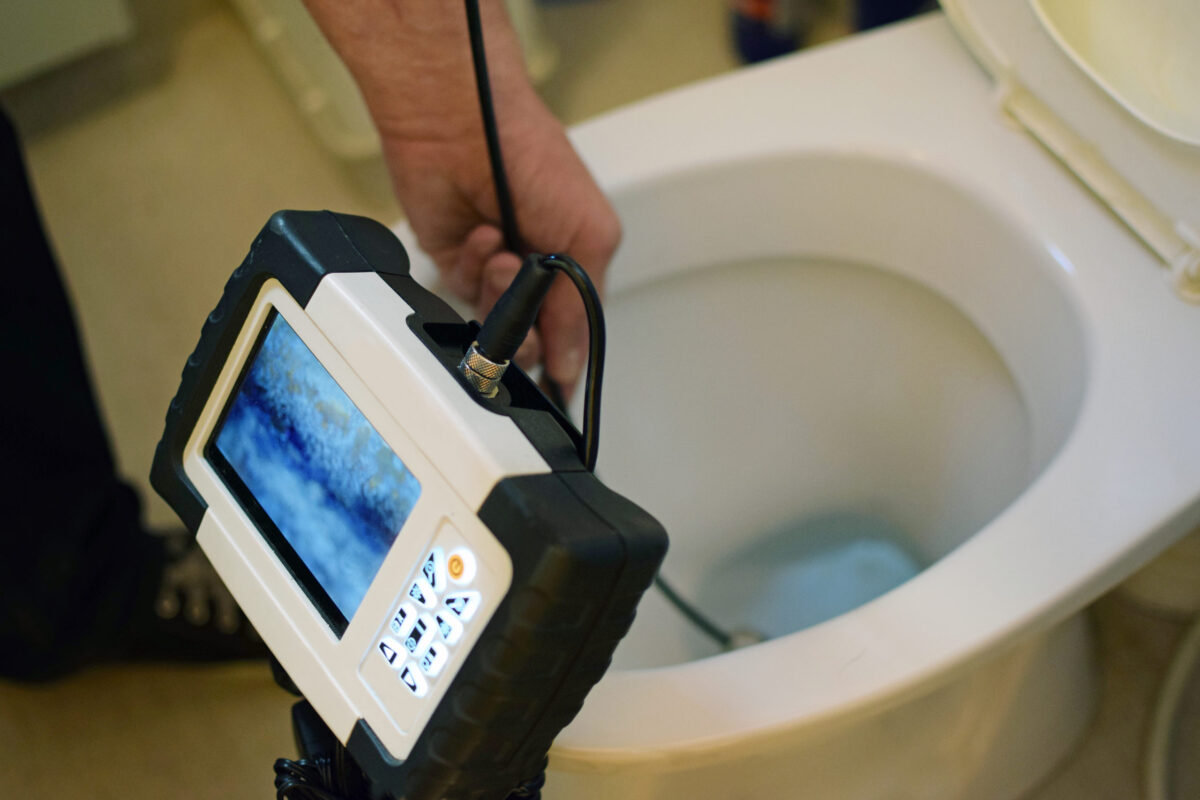
A small waterproof video camera on the end of a flexible cable known as a snake is used for sewer camera examinations. To conduct a visual inspection, this camera “snake” is placed into the sewer system and forced into the pipeline.

A plumber will use a sewer camera to record images and videos of the pipe once they’ve found an appropriate access point. The plumber can see clogs in real time thanks to the camera’s bright lighting and small monitor on which the live feed is displayed.

As long as there is access to a pipe, a sewer  

camera can be used to inspect it.  

These cameras can be used in underground pipes as well as any pipes that are encased in concrete, located behind walls, or beneath your home’s foundation.  

When To Consider a Sewer Camera Inspection  

Sewer camera inspections can be a quick and easy way to determine the health of your plumbing system and detect issues before they become expensive repairs.  

Common problems that a camera inspection can catch include: 

  • Tree root blockages 
  • Cracks in pipes
  • Corrosion
  • Uneven or unaligned pipes
  • Punctures in pipes
  • Excessive grease buildup
  • Hidden leaks
  • Other obstructions

There are two situations where sewer camera inspections can be especially helpful including: 

Older Homes 

Most homes older than 20 years are more likely to experience sewage system problems. Your plumbing may still be attached to a cesspool if your house was constructed before the installation of the city sewer line.

A cesspool is an underground container that is used for the temporary storage of sewage. These pose a serious risk of sinking and collapsing. Even if your pipes have been rerouted to the city sewer line, you could still be at risk. 

If your house was constructed in the late 1940s or early 1950s, a sewer camera inspection may also be helpful. Around this time, pressed wood and tar paper were frequently used to construct sewer pipes. These were referred to as “Orangeburg pipes,” and they were a less expensive option to metal pipes that, in the appropriate circumstances, might last for 50 years. Sadly, they have a reputation for failing in as little as 10 years.

A sewer camera inspection is advised if you have an older property that you plan to renovate or if you are buying a new home to make sure the pipes are up to code and to help prevent future expensive plumbing problems.

Sewer Backup Issues  

The worst thing you can do if you notice plumbing issues is to ignore it and put off having a sewer camera inspection done.  

When small plumbing issues are caught early, they  

can be fixed before they become expensive problems.  

If there is a sewer backup, you might notice these signs: 

  • Toilets won’t flush properly or plunge 
  • Your toilet bubbles when flushed or when a sink or tub is drained 
  • More than one drain is clogged 
  • You smell something foul near drains  

Any of these signs warrant a closer look to determine the cause. The sooner the cause is located, the quicker a repair can be made.  

What Happens After a Sewer Camera Inspection?  

Once our team performs a camera inspection, we will come up with a repair plan, specific to your needs. Our plumbers are fully trained and licensed in sewer camera inspections, and they will provide you with all the information you need to make a repair decision with confidence.  

Learn More > The Most Common Plumbing Emergencies  

South Florida Sewer Camera Inspections  

Now that you know more about what happens during a sewer camera inspection, you know how important it is to call a plumber at the first sign of a plumbing issue.  

For the best South Florida plumbing services, look no further than Best Home Services. We are known as the “best” for a reason!  

Contact us today for a service quote to put your plumbing woes in the past where they belong!  

How to Prepare Your Plumbing for the Holiday Season 

Preparing for holiday dinners, decorating, and the arrival of guests are likely near the top of your to-do list as the holiday season nears. Your plumbing system is probably the farthest thing from your mind, but it shouldn’t be!  

Save yourself potential embarrassing plumbing headaches during holiday get-togethers by following these tips from our team at Best Home Services!  

Tip #1. Clean Your Drains Before Guests Arrive 

Before guests are set to arrive, do a quick walk-through of your home and clean your drains. Hair can gather in bathtub drains, and food residue often gets trapped in the bottom of kitchen drains.  

Pro Tip: Drain screens are the best way to prevent unwanted objects from falling down the drain and causing a drain clog.  

Mineral buildup from hard water is common around faucets, which can create problems with water flow and lead to clogs. Several products on the market can clear the residue, but vinegar works too.  

Smells can also linger deep down in sink drains. We recommend boiling water and pouring it down the drain then following it with a vinegar solution or baking soda.  

Tip #2. Avoid Drain Clogs  

Your toilets, sinks, and garbage disposal will be working overtime with the influx of guests throughout the holiday season.  

Be mindful of what is going down your drains. 

  • When cooking, discard grease and oil in the garbage instead of the sink.  
  • Throw big items into the trash and avoid putting bones or hard food items into the disposal.  
  • Always run water when the disposal is in use. Never run it “dry.”  
  • If your garbage disposal develops a bad odor, try grinding citrus peelings to freshen it up. 
  • Use strainers in your sink drain to help prevent clogs by catching larger items that might otherwise slip down the drain and cause issues.  

With a lot of people using the bathroom, it is common for toilets to become clogged, so make sure to have a plunger handy.  

Tip #3. Inspect Your Water Heater & Turn Up the Temperature 

No one wants to jump in the shower and have no hot water. Before your holiday guests arrive, make sure your water heater can handle the extra workload during the next several weeks of the holiday season.  

Note any leaks or strange sounds coming from your water heater tank. If it has been seven years from the date on the tank, we recommend having a professional plumber from Best Home Services come out to do a formal inspection.  

Your water heater’s temperature can be adjusted to ensure that your guests have plenty of hot water for baths and showers, but be careful to not set it too high as it can cause burns. We recommend not exceeding 120 degrees Fahrenheit, and don’t forget to turn the temperature back down after the holidays.  

P.S. Remember, turning the temperature up on your water heater may help keep more water available for your guests, but it could increase your utility bill. 

Learn More > Water Heaters 101 

Tip #4. Allow Time Between Showers 

Your hot water may run out after too many showers, even if you do turn up the water heater’s temperature. Have your guests wait at least 10 minutes between showers to give the water heater time to replenish hot water. Plus, waiting between showers will also allow your drains to clear so your shower is less likely to clog.  

Tip #5. Prevent Toilet Clogs 

The easiest way to avoid toilet clogs is to ensure that guests—children, and adults alike—aren’t flushing things that they shouldn’t.  

You can put a simple sign in your bathroom, or a reminder above the trashcan near the toilet to never flush: 

  • Baby wipes 
  • Facial tissues 
  • Sanitary napkins 
  • Paper towels 
  • Feminine hygiene products  

Keep a trash bin close by so guests have a proper place to dispose of baby wipes, feminine hygiene products, or sanitary napkins. And don’t forget, always have a plunger handy!  

Tips #6. Schedule Plumbing Maintenance  

If you notice a leaking pipe, a slow drain, or other plumbing problems, make sure to call in a plumber from Best Home Services to fix everything before guests arrive. Even if you don’t notice any existing problems, you should schedule a plumbing inspection to ensure that your home is ready for the holiday festivities.  

Prepare for the Holidays  

Even with the best intentions, you may experience a plumbing emergency this holiday season. If you need plumbing repairs amid holiday merrymaking, Best Home Services can help! From leaks and clogs to water heater repairs and replacements, our 5-star rated plumbers are available 24/7, even during the holidays!  

Holiday plumbing emergency? Call Best Home Services any time day or night at 844-921-2833!     

Water Heaters 101: Everything You Should Know 

Water heaters are one of the most essential appliances in our homes—they provide us with hot water for cooking, cleaning, and bathing. But how do they work? And what should you do if yours starts to malfunction?  

Keep reading for our guide outlining everything you need to know about water heaters. Ready? Let’s go!  

How Water Heaters Work 

Cold water enters the large tank of gas-powered water heaters by a dip tube. A gas burner heats the water while releasing toxic gas through a cylinder in the center of the tank.

The surrounding water is heated as this toxic gas is sent up and out of your tank. Hot water in your home is delivered by a network of pipes to the appropriate location, such as the shower.

The most common types of water heaters are gas and electric.  

Electric water heaters work similarly but the main difference is that they are plugged into an electrical power supply to heat their burners.  

What Types of Water Heaters are Available?  

There are a few different options to choose from when purchasing a water heater including: 

#1. Tank Water Heaters  

The traditional water heaters that you are most likely familiar with are tank water heaters. You may even have a tank water system in your home.  

These water heaters are either powered by natural gas or electricity and function by heating a large batch of water before storing it in a tank.

#2. Tankless Water Heaters  

Tankless water heaters are ideal for those that value efficiency above all else. Although tank water heaters are reliable, their standby heat loss can be a big efficiency issue.  

Tankless water heaters heat water on demand when you need it rather than storing it in a tank which allows for greater overall efficiency.  

Learn More > Tankless Water Heater Pros and Cons 

#3. Heat Pump Water Heaters  

Instead of creating heat directly, they use electricity to transfer heat from one location to another. These water heaters are much less harmful to the environment than tank or tankless water heaters since they consume less electricity.

#4. Solar Water Heaters 

Though not the most common, solar water heaters use solar panels to heat the water that is delivered to the storage tank. There are two kinds of solar water heaters available: 

  • Active Systems: Circulate water through collectors directly into your home or circulate non-freezing heat-transfer fluid through the collectors, heating the water and then delivering it to your home.  
  • Passive Systems: Preheat the water in batch systems or collect and store warm water at the top of the tank while the colder water sinks to the bottom.  

Choosing a Water Heater 

Now that we’ve discussed the types of water heaters, which type is best for you? Well, your water heating needs are going to be different than another household’s, so you should consider these things when deciding: 

  • The size of your home 
  • How many people live in your home 
  • The potential fuel source (gas or electricity) 
  • The number of appliances that use hot water 
  • Whether efficiency is important to you 

Ultimately, these questions will help you decide which water heater system is right for you. Need help deciding? Our team at Best Home Services is happy to help! Give us a call today! 

How Hot Should Water Heaters Be?  

The lowest temperature we recommend setting your water heater to is 120° F which is safe enough to protect your family against the life-threatening bacteria that can cause Legionnaires disease. Anything higher than 140° F can scald sensitive skin, and allow for more standby heat losses.  

Water heaters should be set from 120° F to 140° F.  

Learn More > Help! My Water Heater Isn’t Working! 

The Importance of Water Heater Maintenance  

No matter what kind of water heater you have, it is important to have periodic maintenance performed to keep it running efficiently.  

Here are some quick ways to maintain your water heater in between professional maintenance visits: 

  • Keep the area around the water tank clean 
  • Check for any leaks or rusting pipes 
  • Make sure it is flushed at least once a year  

Tampa Water Heater Maintenance  

If you need a new water heater installed or need to schedule your annual maintenance visit, give our team at Best Home Services a call! We can help you decide which water heater is right for your home and needs, and will ensure that it is running at peak efficiency all year long. And don’t worry, if it malfunctions, we can help with that too! 

Contact our 5-star rated team at Best Home Services for all your water heater needs; 844-921-2833!    

Looking for the Best Plumbers in Naples, FL?

It’s about that time of year again where you’re in need of a trusted team of professional plumbers. As a homeowner in the Naples, FL area, you certainly have no shortage of skilled plumbers from which to choose. When it comes to the plumbing in your home, though, you don’t want to settle for anything less than the best of the best – that’s where the expert technicians at Best Home Services come in. 

For more than 40 years, the Naples, FL local home service professionals at Best Home Services have been providing second-to-none plumbing repair, water heater repair, water treatment/filtration, and plumbing fixture repairs for homeowners such as yourself. What, though, sets our team apart from the many other talented teams of plumbers that operate in Naples? We’re here to tell you exactly that. 

Quality Plumbers With a Reputation for Success

Any plumbing team can say that they’re head and shoulders above their competition. After all, who wouldn’t want to convince their potential customers that they’re the best of the best? Talk is cheap though – that’s why at Best Home Services, we make it easy for Naples, FL homeowners to discover our reputation for repeated success when it comes to all things plumbing-related.

We believe that our customers’ previous experiences with our services speak to the quality and consistency of our successful reputation. We maintain an up-to-date library of our most recent service reviews that are easy to find on our website so that you have first-hand proof of our history of success. 

It’s one thing to brag about everything and anything you can provide to your customers — it’s another thing entirely to be able to offer more than 2,000 trusted Google reviews that speak to the positive and enjoyable customer experiences you’ve provided. And, that’s exactly what we provide on our website: explore our customer service reviews that have an average rating of 4.8 to see for yourself just how well we do our job. 

At Best Home Services, there’s no plumbing job too big or small for us to tackle. No matter what it is you’re in search of – from plumbing repairs and inspections to water treatment and leak detection services – we do our jobs with zero margins for error. Come discover our unparalleled reputation for plumbing success in the Naples, FL area and see for yourself why we’re simply the best plumbers around.

Licensed Plumbers Insured to Work Across Florida

If you’re looking for the best plumbers in Naples, FL, you need to work with a team that’s insured and properly licensed to work in your area. Before you make the final call when it comes to hiring a professional plumbing service, you need to ask about warranties that are involved with each and every service call you’ll require. Best Home Services provides the insurance and warranty guarantees you deserve: we offer guaranteed coverage on all properly installed items that we provide to homeowners such as yourself.

In addition to our team’s insurance warranty guarantees on the work we provide, Best Home Services maintains up-to-date licensing year-round that allows us to perform plumbing services state-wide. It’s important that any reputable plumbing team can furnish proof of their current licensing to operate in your area. We provide proof of our current license to every customer with whom we work and make our up-to-date licensing easily visible in every service vehicle that comes to your home. What’s more, we make it easy for homeowners in Naples to obtain a copy of our licensing so that they can verify that our word is our bond whenever they see fit.

So, looking for the best team of plumbers in the Naples, FL area? Then you’ve come to the right place. Call us today at (833) 263-3097 for a free estimate and see how we can address your plumbing needs with experience, skill, and quick response times. We guaranteed that you’ll be nothing less than completely satisfied with our reputation for plumbing success!

Plumbing Leak Prevention at Home: Our Tips

That little leak you’ve been neglecting can turn into a major issue! Water leaks can harm your plumbing, property, and yard in addition to increasing your utility costs. The good news? Many leaks can easily be prevented!

Here are some top tips from the plumbing team at Best Home Services on how to prevent these common household leaks, so you can ensure your home is protected and your plumbing system is working smoothly.

Identifying Common Leak Sources in Your Home

Most homeowners don’t realize that the average household’s leaks waste nearly 10,000 gallons of water annually. That’s enough to wash 300 loads of laundry! Understanding where leaks commonly occur is the first step to preventing them.

Washing Machine Leaks

Because your washing machine uses so much water, it is prone to leaks if not maintained. The hoses connecting your washing machine to water supply lines are particularly vulnerable. These rubber hoses deteriorate over time, especially when exposed to constant water pressure.

To prevent a leaky washing machine, replace hoses every five years and check the connections annually. Look for signs of bulging, cracking, or brittleness in the rubber. Consider upgrading to stainless steel braided hoses, which are more durable and less likely to burst under pressure.

HVAC System Leaks

When your air conditioning system works properly, moisture should be removed from the air conditioner by the drain pipe. If you have an air conditioner in your attic and notice wetness on your ceiling, it likely means the condensation line is blocked or the pan is full.

Drain line clogs are usually caused by dirt, algae, dust, and similar debris. The best way to prevent leaks from your HVAC system is to have it inspected and cleaned every year by a professional HVAC technician from Best Home Services. Remember, proactive maintenance also includes changing the air filter every 30-60 days.

Preventing Drain and Pipe Leaks

If your kitchen or bathroom sinks are clogged or leaking, it can cause serious property damage in your home. Clogs put excessive pressure on pipes and joints, leading to leaks at weak points.

To prevent these issues, be mindful of what goes down your drains. Don’t pour grease, coffee grounds, rice, pasta, or other food waste down your drains as they can harden and clog your pipes, putting stress on your entire plumbing system.

If your drains and pipes are clogged, avoid using caustic drain cleaners that can damage pipes. Instead, try a plunger or call a professional plumber who can clear your drains using methods that won’t harm your plumbing.

Toilet Leak Prevention

Toilets can leak at the supply line, or they can overflow when clogged. To prevent such leaks, check the supply line yearly to ensure that your tank doesn’t need repair or adjustments. Look for signs of wear on the flexible hose connecting the toilet to your water supply.

If there is a leak at your toilet’s supply line, work quickly to prevent damage. Follow these steps:

  1. Open the toilet’s tank lid
  2. Close the flapper
  3. Lift the ball
  4. Shut off water at the wall stop
  5. Call a plumber from Best Home Services to take a look

Dishwasher and Refrigerator Leaks

Since dishwasher and refrigerator pipes are located under and behind these appliances, leaks can often go unnoticed for years. To ensure everything is okay, routinely inspect underneath and behind both appliances.

Another way to detect a leak is to look for discoloration under your appliances. Water damage often appears as warping in wood floors or water stains on tile. A musty smell could also indicate a hidden leak. Make these quick checks part of your seasonal cleaning routine for good preventative plumbing maintenance.

More Essential Plumbing Leak Prevention Tips

To keep your plumbing system working properly and avoid costly water damage, follow these additional tips:

  1. Don’t flush items down the toilet that should be thrown away in the garbage
  2. Regularly check your plumbing for leaks, especially after season changes
  3. Know where your main water shut-off valve is located
  4. Install water leak detectors near high-risk appliances
  5. Consider having annual professional plumbing inspections

Addressing small leaks promptly can save you from major water damage and expensive repairs down the road. Remember that even a small drip can waste thousands of gallons of water per year while slowly causing hidden damage to your home.

Managing Water Pressure and Water Quality to Reduce Leak Risk

Beyond just checking your appliances, managing your home’s water pressure and quality plays a huge role in preventing leaks. High water pressure might feel nice in the shower, but it puts constant strain on your pipes and connections. When water pressure exceeds 80 psi (pounds per square inch), it can damage your plumbing system over time.

Most homes should maintain water pressure between 40-60 psi for optimal performance and pipe longevity. You can test your water pressure with an inexpensive gauge that attaches to an outdoor spigot. If the reading is too high, consider installing a pressure regulator on your main water line to protect your entire plumbing system.

The Impact of Hard Water on Your Plumbing

Hard water contains high levels of minerals like calcium and magnesium that can build up inside your pipes. These mineral deposits slowly narrow your pipes, reducing water flow and increasing pressure. Eventually, this can lead to pinhole leaks or even pipe failure.

Signs of hard water include spots on dishes, soap that doesn’t lather well, and a crusty white buildup around faucets. Installing a water softener can help prevent these issues by removing minerals before they damage your plumbing. While a softener is an investment, it’s typically cheaper than replacing damaged pipes and fixing water leaks.

Monitoring for Water Hammer and Pressure Spikes

Have you ever heard banging in your pipes when you shut off a faucet quickly? This is called water hammer, and it happens when flowing water suddenly stops, creating a pressure surge that can damage your pipes. These pressure spikes put stress on joints and connections, making them more likely to leak over time.

Water hammer arrestors can be installed at key points in your plumbing system to absorb these pressure surges and protect your pipes. They act like shock absorbers for your plumbing, reducing the stress that leads to leaks.

Watching for Signs of Corrosion

Municipal water often contains chemicals that help keep it safe but may gradually corrode certain pipe materials. If your water has a metallic taste or appears discolored (especially rusty), it could indicate pipe corrosion that might lead to leaks.

Check exposed pipes periodically for discoloration, flaking, or dimpling—all signs that your pipes are corroding from the inside out. Green stains on copper pipes indicate corrosion that needs attention before leaks develop.

Practicing Safe Drain Use to Prevent Blockages

Preventing drain clogs is an important part of leak prevention that many homeowners overlook. When drains clog, water pressure builds up behind the blockage, putting stress on pipe joints and seals where leaks commonly develop.

Kitchen drains are particularly vulnerable. Instead of pouring cooking grease down the drain, collect it in a container and throw it in the trash when it solidifies. Even liquefied grease will cool and harden in your pipes, catching other debris and creating stubborn clogs that are difficult to remove.

Coffee grounds, eggshells, rice, and pasta should also stay out of your drains. These foods expand or clump together when wet, creating blockages that strain your plumbing system. Scrape food waste into the trash or compost bin before washing dishes.

Avoiding Chemical Drain Cleaners

When you do have a clog, avoid using caustic chemical drain cleaners. These harsh chemicals can corrode your pipes over time, creating weak spots that eventually leak. Instead, try a plunger, drain snake, or enzymatic drain cleaner that uses bacteria to break down organic matter without damaging pipes.

For stubborn clogs, professional drain cleaning services like Best Home Services use methods like hydro jetting that clear blockages without harming your plumbing. The cost of professional drain cleaning is minimal compared to the expense of repairing water damage from a leaking pipe.

Protecting Your Plumbing System Long-Term

Installing mesh screens over drains in showers and sinks helps catch hair and debris before they enter your plumbing system. Empty these traps regularly to maintain good water flow and prevent clogs from forming.

Taking these proactive steps to manage water pressure, address water quality issues, and prevent drain clogs will significantly reduce your risk of plumbing leaks. Remember that most major plumbing problems start as minor issues that could have been prevented with regular maintenance and careful use of your plumbing system.

Don’t ignore plumbing problems. Fix them at the source with help from the professional plumbers at Best Home Services. Being proactive about leak prevention is one of the smartest investments you can make in home maintenance. Give Best Home Services a call or book an appointment online today.

Do I Need a Water Softener?

Hard water, soft water—does it matter? Water is, of course, a necessity in our homes, but hard water can be a nuisance. Depending on where you live, a water softener may dramatically benefit your family.

In this guide you’ll learn what hard water is and the benefits of water softeners from our team at Best Home Services!

What is Hard Water?

Water is “hard” when it contains a great number of dissolved minerals. Minerals like calcium and magnesium can cause soap deposits in the bathtub, dull-looking white laundry, spots on dishes, and scaly deposits inside your showerheads, faucets, and appliances that can eventually restrict water flow.

Calcium, magnesium, bicarbonates, and sulfates must be removed by a water softening system to avoid damage to your skin, home appliances, and plumbing.

How Do Water Softeners Work?

A water softening system removes negative ionic minerals from hard water, replacing them with positive ions. By removing the calcium and magnesium ions in your home’s water and replacing them with positive sodium or potassium ions, this system transforms hard water into softer water.

Water softeners can use up to 25 gallons of water a day, so it is important to determine the hardness of your water before having a water softener installed.

Water softeners cost between $1,000-$2,000 and can last up to 15 years.

If I Have City Water, Do I Need a Water Softener?

Rural homeowners almost always need water softening. If you live in the city, you might also need a water softener. More than 85% of homes in the United States have hard water.

The best way to determine if you have hard water is to have your water tested by a plumbing technician from Best Home Services, or you can purchase a DIY testing kit. You can also check the hardness of your water by contacting your utility company.

Water is classified according to grains per gallon (gpg) of dissolved calcium carbonate found in the water:

  • 0–3 gpg: Water does not require softening.
  • 3–7 gpg: Water is moderately hard and can cause spotty dishes and dry skin.
  • 7–11 gpg: Water is hard, resulting in mineral build-up on faucets and inside pipes as well as spots on dishes and red rings in sinks from excess iron.
  • 11–15 gpg: Water is very hard and will exhibit the signs of hard water all the time.

Any reading over 15 gpg entails extremely high levels of minerals.

Southwest Florida’s water is on the higher end of the scale, with some cities testing in at 7-11 or higher. To experience the benefits of softened water in your home, call our team at Best Home Services today.

The Benefits of Water Softeners

The benefits of incorporating a water softener into your plumbing system are many and include:

Less Detergent Used for Laundry

A water softener can help your washing machine run more efficiently. When you have hard water, your clothing may look dull, feel rougher to the touch, or come out of the wash not fully clean. In this case, you’ll end up using more detergent and fabric softener.

Soft water allows the detergent to lather more easily and can save you as much as 50% of your detergent.

Energy Costs Will Be Lower

Water softening systems can improve your water heater’s efficiency and its lifespan as you won’t have to deal with mineral accumulation. You also won’t have to use as much hot water in the shower to clean your skin and hair, thus saving on energy and utility costs.

You’ll Find Fewer Stains

The minerals found in hard water can leave behind deposits that stain household items like clothing, silverware, cups, and sinks. This can make cleaning a real headache. With a water softener, you can avoid this problem with hard water deposits or stains on your household items.

Healthier Skin and Hair

The truth is, the minerals in hard water dry out your skin and hair. In untreated water, they form a layer of film that makes your skin dry and your hair dull. After installing a water softener, you will notice that your skin and hair are softer and that it is much easier to moisturize.

You’ll Use Less Water

Thanks to scale and soap that doesn’t lather properly, you’ll need a lot more hard water to get clean. You might be surprised at how much less water you use after installing a water softener.

Understanding City Water and Water Softeners

Ever wondered if you need a water softener with city water? While many people think city water is already treated and perfect, that’s not always true. City water treatment focuses on making water safe to drink by removing harmful bacteria and contaminants. But this process doesn’t always address water hardness.

Water hardness varies widely depending on where you live. Your local water treatment plant might deliver perfectly safe drinking water that still contains high levels of calcium and magnesium—the minerals that make water “hard.” More than 85% of homes in America have hard water, including many on municipal water systems.

How to Know if Your City Water is Hard

You don’t need fancy equipment to spot the signs of hard water in your home. Look for these common indicators:

  1. White spots on dishes and glassware after washing
  2. Soap scum buildup in sinks and bathtubs
  3. Reduced water pressure from scale buildup in pipes
  4. Stiff, scratchy laundry even after washing
  5. Dry skin and dull hair after showering

The most reliable way to determine your water hardness is to get it tested. Many water utility companies can provide hardness information for your neighborhood. You can also purchase simple DIY test kits from hardware stores or have a professional water analysis done.

Types of Water Softeners for City Water

If you discover your city water is hard, several types of water softeners can help. The most common system uses ion exchange technology, where calcium and magnesium ions are swapped for sodium or potassium ions as water passes through resin beads in the softener tank.

Salt-free conditioners are another option. Rather than removing hardness minerals, they change their structure so they don’t stick to surfaces. These systems don’t technically “soften” water but help prevent scale buildup.

For those concerned about drinking softened water, dual-tank systems or bypass valves allow you to soften only the water going to certain fixtures in your home. This gives you soft water for washing and bathing while keeping your drinking water untreated.

Installation and Maintenance Considerations

Water softeners for city water typically cost between $1,000 and $2,000 for purchase and installation. The exact price depends on your water hardness level, home size, and the type of system you choose.

Most systems require regular maintenance. Salt-based softeners need salt replenishment every few weeks to months, depending on your water usage and hardness level. The resin bed may need occasional cleaning to remove iron buildup or other contaminants not caught in the regeneration process.

Water softeners use water during the regeneration cycle—typically about 25 gallons per cycle. This small increase in water usage is often offset by the benefits of using less soap and detergent and extending the life of your appliances.

Important Considerations Before Installing a Water Softener

When deciding if you need a water softener for your city water, there are several important factors to consider beyond just the benefits. While water softeners offer many advantages, they also come with certain drawbacks and considerations that might affect your decision.

Sodium Content and Dietary Concerns

Traditional salt-based water softeners replace calcium and magnesium with sodium ions. This process adds sodium to your water supply, which may be a concern if you’re on a sodium-restricted diet. For every grain of hardness removed, a water softener adds about 8mg of sodium per gallon. In very hard water areas, this can add up quickly.

For those with health concerns, there are several options to consider. You can install a separate drinking water line that bypasses the softener, use potassium chloride instead of sodium chloride (though it costs more), or look into salt-free alternatives. Remember that even softened water typically contains less sodium than many foods we eat regularly, but it’s still worth considering if you have specific health needs.

Environmental Considerations

Water softeners impact the environment in several ways. During regeneration, they discharge salt brine into the sewage system. This salty water can be problematic for wastewater treatment plants and may eventually reach local waterways.

Some regions have started regulating or even banning certain types of water softeners due to these environmental concerns. Before installing a system, check your local regulations regarding brine discharge. Some newer, high-efficiency models use significantly less salt and water during regeneration, making them more environmentally friendly. The professionals at Best Home Services can help you determine what kind of water softener is right for your home.

Water and Energy Usage

A standard water softener uses between 25-65 gallons of water each time it regenerates. Depending on your water hardness and household size, regeneration might happen several times a week. While this may seem like a lot, it’s often offset by the water you save from more efficient cleaning and reduced scale buildup.

Energy consumption is another factor to consider. While the softener itself uses minimal electricity (mainly for the timer and control valve), softened water can improve the energy efficiency of your water heater and other appliances by preventing scale buildup. This often results in net energy savings over time, but the initial water usage during regeneration is worth considering.

Impact on Plants and Gardens

Softened water isn’t ideal for watering plants or lawns. The sodium in softened water can build up in soil over time, affecting plant growth and soil structure. For serious gardeners, consider a bypass valve for outdoor spigots to use unsoftened water for your garden.

If your outdoor water usage is high, factor this into your decision. Many homeowners choose to soften only their hot water line or install bypass valves for outdoor and drinking water to minimize these concerns.

Alternative Solutions to Consider

If traditional salt-based softeners don’t seem right for your situation, several alternatives exist:

  1. Salt-free water conditioners don’t remove minerals but instead change their form so they don’t stick to surfaces. They’re environmentally friendlier but less effective for very hard water.
  2. Magnetic and electronic descalers claim to change the properties of hardness minerals through magnetic or electric fields. Scientific evidence for their effectiveness is mixed.
  3. Point-of-use systems can be installed to treat water only where needed, like for your shower or washing machine, rather than treating all water entering your home.
  4. Reverse osmosis systems can remove hardness minerals along with other contaminants, particularly for drinking water, though they’re not typically used for whole-house treatment.

Conclusion

While water softeners offer significant benefits for homes with hard city water, they’re not without drawbacks. Consider your specific water hardness level, health needs, environmental concerns, and budget before making a decision. For many households, the benefits of softer skin, longer-lasting appliances, and reduced cleaning time outweigh these considerations.

If you’re concerned about hardness in your city water, start by getting your water tested by the plumbing experts at Best Home Services to determine the exact hardness level. From there, you can evaluate whether a traditional salt-based softener, an alternative system, or no treatment at all is the right choice for your home. Remember that even city water can benefit from treatment, as municipal processing focuses primarily on safety rather than hardness reduction.

If you’re concerned about hard water in your home, give the plumbing professionals at Best Home Services a call or book an appointment online today for expert advice.