



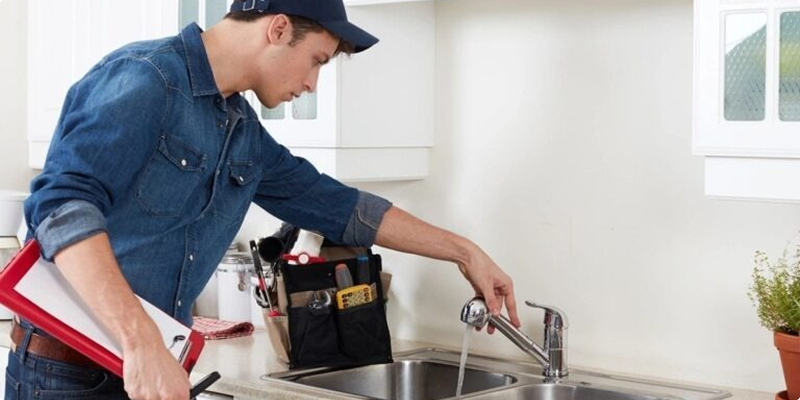
Plumbing problems can turn a normal day into a stressful one in just minutes. From the annoying drip of a leaky faucet to the panic of a burst pipe, these issues not only disrupt our daily lives but can also lead to expensive repairs. The average home experiences at least one major plumbing problem every year, with some issues wasting up to 10,000 gallons of water annually. Understanding these common problems helps you spot warning signs early, saving both money and headaches. Best Home Services has created this guide to help you stay ahead of plumbing issues that can ruin your day and drain your wallet.
Leaky Faucets and Pipes
Leaky faucets are probably the most common plumbing issue homeowners face. That constant drip isn’t just annoying—it wastes water and increases your bill. Most leaks happen because of worn-out washers or O-rings that no longer create a proper seal. Over time, these small parts wear down from regular use.
Pipe leaks can be even more troublesome, especially when they occur inside walls or under floors. These hidden leaks often go unnoticed until they’ve already caused damage. Watch for signs like water stains on walls or ceilings, unexplained dampness, or a sudden increase in your water bill.
The good news is that fixing a leaky faucet is often a simple DIY job. You’ll need to turn off the water supply, remove the faucet handle, and replace the washer or O-ring. For pipe leaks, however, it’s usually best to call a professional plumber to assess the situation and make proper repairs.
Clogged Drains and Toilets
Nothing disrupts your routine quite like a clogged drain or toilet. Kitchen sink clogs typically happen when food particles, grease, and oils build up over time. In bathrooms, hair and soap scum are the usual culprits.
Prevention is your best defense against clogs. Use drain covers to catch hair in showers and bathtubs. Never pour grease down kitchen drains—instead, collect it in a container and throw it in the trash when it cools. For toilets, only flush toilet paper and human waste.
When clogs do happen, a plunger is your first line of defense. For sinks and showers, try a mixture of baking soda and vinegar followed by hot water to break down buildup. If these methods don’t work, a drain snake can help remove stubborn clogs. For persistent problems, you may need professional drain cleaning to remove built-up debris completely.
Running Toilets
A toilet that continues to run after flushing wastes a tremendous amount of water—up to 200 gallons per day! This problem usually stems from issues with internal components like the flapper valve or fill valve.
To check if your toilet is running, put a few drops of food coloring in the tank. If color appears in the bowl without flushing, you have a leak. Most running toilet issues can be fixed by replacing the flapper valve, which is the rubber seal that prevents water from continuously flowing from the tank to the bowl.
Replacing a flapper valve is a simple DIY fix that costs under $10. Simply turn off the water supply to the toilet, flush to empty the tank, disconnect the old flapper, and install the new one. If replacing the flapper doesn’t solve the problem, the fill valve might need replacement as well.
Low Water Pressure
When your shower feels more like a drizzle than a downpour, you’re dealing with low water pressure. This frustrating problem can make simple tasks like washing dishes or taking a shower take much longer than necessary.
Low pressure often results from mineral buildup in pipes or fixtures, particularly in areas with hard water. Other causes include leaks in the water line, partially closed valves, or issues with the municipal water supply.
Start by checking faucet aerators and showerheads for mineral deposits. Soaking these parts in vinegar overnight can dissolve buildup and improve flow. If cleaning fixtures doesn’t help, check that the main water valve is fully open. For persistent pressure problems, a professional plumber from Best Home Services can help determine if you have hidden leaks or if your pipes need descaling.
Water Heater Problems
Cold showers are never fun, especially when they’re unexpected. Water heater issues rank among the most disruptive plumbing problems because they affect your entire home’s hot water supply.
Common water heater problems include inadequate hot water, strange noises, leaks around the base, or discolored water. These issues typically stem from sediment buildup, faulty heating elements, or worn-out parts.
Regular maintenance can prevent many water heater problems. Flushing your water heater once a year removes sediment that reduces efficiency and shortens its lifespan. If your water heater is over 10 years old and showing signs of trouble, it might be time for a replacement.
For water heater repairs, it’s usually best to call Best Home Services for professional plumbing expertise. These systems involve both plumbing and electrical or gas components, making them potentially dangerous for DIY repairs.
Regular inspection of your home’s plumbing can help catch these issues before they become major problems. By being aware of these common plumbing issues, you’ll be better prepared to address them quickly or even prevent them entirely.
Practical DIY Fixes for Minor Plumbing Issues
Now that we’ve explored the most common plumbing problems homeowners face, let’s look at some simple DIY fixes you can handle on your own. With a few basic tools and a little know-how, you can tackle many minor plumbing issues before they become major headaches.
The right tools make all the difference when facing a plumbing problem. Every homeowner should have a good plunger, adjustable wrench, pipe wrench, plumber’s tape, and a basic drain snake. Keep these tools in an easy-to-reach spot so you can address problems quickly before they get worse.
Shut-off valve
Knowing how to shut off your water is perhaps the most important plumbing skill. Find your main water shut-off valve today—before you need it in an emergency. It’s usually located where the main water line enters your home, often in the basement, crawlspace, or near the water heater. Make sure everyone in your household knows where it is and how to turn it off.
Faucet leaks
For leaky faucets, start by turning off the water supply under the sink. Remove the faucet handle by unscrewing the decorative cap and removing the screw underneath. Take out the stem and replace the washer or O-ring that’s causing the leak. When putting everything back together, avoid over-tightening connections, which can cause damage and create new leaks.
Running toilet
Fixing a running toilet is another simple repair that can save water and money. After removing the tank lid, check the flapper—the rubber seal at the bottom of the tank. If it’s worn or misaligned, it won’t seal properly, causing water to continuously flow into the bowl. Replacement flappers cost under $10 at any hardware store. Just turn off the water, flush to empty the tank, disconnect the old flapper, and attach the new one.
Clogged drains
For slow drains, skip the harsh chemical cleaners that can damage your pipes over time. Instead, try pouring a half-cup of baking soda down the drain, followed by a half-cup of vinegar. After it fizzes for about 30 minutes, flush with hot water. For tougher clogs, a drain snake can help remove hair and debris that’s stuck deeper in the pipe.
Water pressure
When dealing with low water pressure in a faucet, first check if the aerator (the screen at the tip of the faucet) is clogged with mineral deposits. Unscrew it and soak it in vinegar overnight to dissolve buildup, then rinse thoroughly before reattaching.
It’s important to know your limits with DIY plumbing. Some issues are simply beyond the scope of most homeowners and require professional help. Complex problems like sewer line backups, persistent leaks, or anything involving your home’s main water line should be handled by the plumbing experts from Best Home Services.
Also, be cautious when working on water heaters. These systems involve both plumbing and electrical or gas components, making them potentially dangerous for DIY repairs. If your water heater is leaking or not producing hot water, it’s best to call a professional plumber from Best Home Services who has the proper tools and training.
Keeping a record of any repairs you make can be helpful for future maintenance or when selling your home. Take photos before, during, and after repairs, and note the date and type of work done. This documentation helps track recurring issues and provides valuable information for future homeowners or plumbers.
By handling these basic DIY fixes, you can save money on service calls and gain a better understanding of your home’s plumbing system. When in doubt, though, don’t hesitate to call a professional. The cost of a plumber is often much less than repairing water damage from a DIY attempt gone wrong.
The Hidden Dangers of Plumbing Problems: What Homeowners Need to Know
When plumbing issues go unaddressed, they can lead to serious and costly consequences for your home. Understanding these risks will help you prioritize repairs and protect your property from damage. Let’s look at what can happen when you ignore those drips, clogs, and pressure problems.
Water damage and mold
Water damage is perhaps the most obvious risk of untreated leaks. Even a small drip can soak into walls, floors, and ceilings over time. This moisture creates the perfect environment for mold growth, which typically starts within 24-48 hours in damp conditions. Beyond being unsightly, mold can trigger allergies and respiratory problems for your family. The moisture can also rot wood structures, weaken drywall, and damage insulation, compromising your home’s structural integrity.
Costly repairs
Your wallet takes a hit too. A single leaking faucet dripping once per second wastes about 3,000 gallons of water per year – that’s enough to fill a small swimming pool! More significant leaks waste much more, silently driving up your water bills month after month. Water damage restoration is also expensive, often costing thousands of dollars depending on the extent of the damage.
Low water pressure
Chronic low water pressure doesn’t just make for frustrating showers. It can be a sign of pipe corrosion or mineral buildup, which restricts water flow. Over time, this strain can damage fixtures and reduce the lifespan of appliances like dishwashers and washing machines. When these appliances have to work harder due to inadequate water supply, they wear out faster and use more energy.
Recurring problems
Recurring clogs and backups present another serious risk. Beyond the obvious inconvenience, they can lead to sewage backing up into your home – a health hazard that brings harmful bacteria and unpleasant odors. In severe cases, this wastewater can flood your home, ruining flooring, furniture, and personal belongings. The cleanup process is not only expensive but also disruptive to your daily life.
Decreased home value
Home value is also at stake when plumbing problems persist. During a home inspection, unresolved plumbing issues will be flagged, potentially complicating the sale of your property or reducing its value. Buyers are often wary of homes with plumbing problems, as they signal possible hidden damage or future expenses.
Insurance coverage
Another often-overlooked risk is the impact on your insurance coverage. Many homeowners are surprised to learn that their insurance policies may not cover damage from long-term, neglected leaks. Insurance companies typically cover sudden, accidental water damage but may deny claims for damage resulting from poor maintenance or neglect. This means you could be fully responsible for repairs that could have been prevented.
Preventive Maintenance: The Key to Plumbing Health
Regular maintenance is the best defense against costly plumbing disasters. A proactive approach not only prevents problems but also extends the life of your entire plumbing system.
Start with simple habits like checking visible pipes under sinks and around toilets for signs of moisture every few months. Run your hand along pipes to feel for dampness that might not be visible. Pay attention to water pressure changes, unusual sounds in your pipes, or drains that are emptying more slowly than usual – these are early warning signs that shouldn’t be ignored.
For fixtures, remove and clean faucet aerators annually to prevent mineral buildup. This simple task helps maintain proper water flow and pressure. Similarly, checking toilet flappers and fill valves periodically can prevent leaks and running toilets. These small components wear out over time and are inexpensive to replace before they cause problems.
Water heaters need attention too. Flush your water heater once a year to remove sediment buildup, which can reduce efficiency and shorten its lifespan. Check the pressure relief valve regularly to ensure it’s working properly – this important safety feature prevents dangerous pressure buildup inside the tank.
For your drains, avoid using harsh chemical cleaners regularly. Instead, prevent clogs by using drain covers to catch hair and debris, and flush drains monthly with hot water followed by a mixture of baking soda and vinegar. This natural cleaning method helps keep drains clear without damaging your pipes.
Consider scheduling a professional plumbing inspection with Best Home Services every two years, even if you don’t notice any problems. Plumbers can spot potential issues in hard-to-see areas like sewer lines using specialized equipment like video cameras. They can also check for proper water pressure and identify pipes that may be nearing the end of their useful life before they fail.
Conclusion
Taking care of your home’s plumbing system is a wise investment that pays off through prevented damage, lower utility bills, and fewer emergency repairs. When you understand both the common problems and their potential consequences, you’re better equipped to protect your home and your wallet.
Remember that while DIY maintenance is valuable, knowing when to call a professional is equally important. Some issues require specialized tools and expertise to address properly. By balancing regular maintenance with timely professional help, you can keep your plumbing system running smoothly for years to come.
Taking action now to address small problems prevents them from becoming major headaches later. Whether it’s fixing that dripping faucet, investigating low water pressure, or scheduling a professional inspection, every step you take helps safeguard your home against the hidden dangers of plumbing problems. Get in touch with the plumbing experts at Best Home Services to keep your home’s pipes and fixtures in top condition.
