



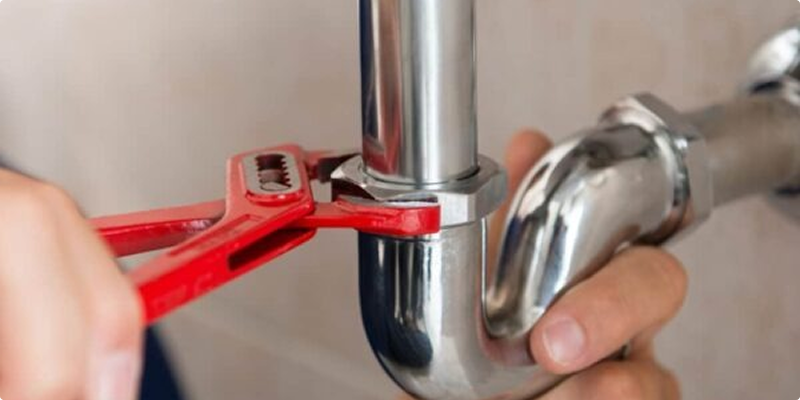
Florida homeowners often face a persistent challenge that silently drains their wallets – unexpectedly high water bills. That sudden spike in your monthly statement isn’t just a random occurrence; it’s often a warning sign of underlying plumbing issues throughout your home.
A single dripping faucet might seem harmless, but these small leaks add up to significant water waste. Hidden problems like running toilets, corroded pipes, and faulty fixtures create a constant drain on both water resources and your budget. These issues become particularly concerning in Florida’s unique climate, where humidity and water quality can accelerate wear and tear on plumbing systems.
The real cost goes beyond your utility bill:
- Property damage from undetected leaks
- Decreased home value
- Potential mold growth
- Higher insurance premiums
Today’s guide from Best Home Services helps you understand these common plumbing problems and why addressing them quickly isn’t just about saving money – it’s about protecting your home’s infrastructure and ensuring your family’s comfort.
Understanding Why Your Water Bill Is High
A spike in your water bill doesn’t always point to increased usage. Hidden plumbing issues can silently drain your wallet without any visible signs. Here’s what might be happening behind your walls:
Silent Water Wasters:
- Microscopic pipe cracks leaking 24/7
- Underground leaks in your yard
- Malfunctioning water meter
- Faulty water pressure regulator
- Hidden condensation drips from HVAC systems
A single dripping faucet wastes up to 3,000 gallons of water yearly – that’s enough to fill a small swimming pool. These seemingly minor issues compound quickly:
Water Bill Impact Factors:
- Corroded pipes creating pinhole leaks
- Worn-out fixture seals and gaskets
- Improperly installed plumbing connections
- Hard water deposits causing valve failures
- Aging plumbing infrastructure
Florida’s unique climate adds extra strain on plumbing systems. High humidity levels accelerate corrosion, while shifting soil conditions can stress underground pipes. Water pressure fluctuations common in coastal areas can worsen existing weak points in your plumbing.
Hidden Cost Multipliers:
- Seasonal temperature changes expanding/contracting pipes
- Salt air corrosion in coastal regions
- Root intrusion from tropical vegetation
- Storm-related pressure changes
- Sand and sediment wear on fixtures
These invisible culprits work together to inflate your water bills while potentially causing structural damage to your home. Regular inspections from the plumbing team can help catch these issues before they escalate into major expenses.
Common Plumbing Problems That Increase Water Bills
Hidden plumbing issues can silently drain your wallet through escalating water bills. Let’s examine the most frequent culprits that plague Florida homes:
1. Bathroom Plumbing Issues
A single dripping faucet might seem harmless, but it wastes an astonishing 3,000 gallons of water each year. That’s enough to fill a small swimming pool! These drips often stem from:
- Worn-out washers
- Damaged O-rings
- Corroded valve seats
- Loose parts from water pressure changes
Running toilets rank among the biggest water wasters in bathrooms. A faulty flapper valve can waste up to 200 gallons daily – that’s 73,000 gallons per year. Common signs of toilet problems include:
- Phantom flushes
- Water trickling into the bowl
- Constant running sounds
- Tank refilling without flushing
Toilet Base Leaks
Water pooling around your toilet’s base signals a failed wax ring seal. These leaks:
- Create moisture damage to flooring
- Risk structural damage
- Waste 250+ gallons monthly
- Lead to mold growth
Pro Tip: Check for toilet base leaks by drying the area completely and placing paper towels around the base. If they become wet without the toilet being used, you likely have a leak.
Bathroom plumbing issues often start small but can quickly escalate into significant problems. A thorough inspection of your bathroom fixtures can reveal these sneaky water wasters before they impact your utility bills severely.
2. Kitchen Plumbing Issues
Your kitchen sink experiences daily use from cooking, washing dishes, and using the garbage disposal. Unfortunately, leaks under the sink often go unnoticed until they cause significant damage or your water bill suddenly increases.
Common Sources of Kitchen Leaks:
- Worn-out seals around the sink rim and drain
- Loose or corroded connections in the P-trap
- Deteriorating O-rings in the faucet
- Cracked supply lines beneath the sink
- Damaged seals in the garbage disposal
The real challenge lies in detecting concealed leaks behind cabinets or within walls. Signs of hidden kitchen leaks include:
- Musty smells under the sink
- Warped or discolored cabinet bottoms
- Water stains on nearby walls
- Unexplained puddles on the floor
- Mold growth in cabinet corners
Regularly checking visible plumbing parts can help you catch problems early on. Make it a habit to inspect supply line connections every month and look for signs of moisture inside your cabinets. Sometimes, simply tightening loose connections can save you thousands of gallons of water from being wasted.
3. Appliance Leaks and Water Heater Leaks
Household appliances can silently drain your wallet through hidden water leaks. Washing machines often develop cracks in their supply hoses or experience valve failures. These issues might start as tiny drips, wasting 5-10 gallons daily without detection. Watch for:
- Puddles around the machine base
- Mold or mildew smells
- Unusual sounds during fill cycles
- Damp walls or flooring near the unit
Water heaters present another significant leak risk. A leaking water heater typically wastes 100-500 gallons monthly and can cause severe structural damage. Common warning signs include:
- Rusty patches on the tank
- Water pooling around the base
- Inconsistent water temperature
- Higher than normal energy bills
The impact of appliance leaks extends beyond water waste. These persistent leaks create ideal conditions for:
- Foundation damage
- Wood rot in surrounding structures
- Dangerous mold growth
- Weakened wall materials
- Corroded electrical connections
A failing water heater might show additional red flags through discolored water, strange noises during operation, or reduced hot water capacity. These symptoms often indicate sediment buildup or internal tank deterioration — problems that accelerate water waste and energy consumption.
4. Outdoor Plumbing Issues and Outdated Fixtures
Hidden outdoor plumbing problems can silently drain your wallet. A single faulty hose bib can waste up to 6,000 gallons of water monthly. Irrigation system leaks often go undetected beneath the surface, leading to:
- Soggy lawn patches
- Unexplained puddles
- Unusually lush grass spots
- Higher water pressure in certain zones
Florida’s aggressive climate accelerates the deterioration of outdoor plumbing components. Salt air, intense UV exposure, and frequent temperature changes can cause pipes and fixtures to crack, corrode, or fail prematurely.
Aging Plumbing Systems: A Hidden Money Pit
Homes with outdated plumbing systems face particular challenges:
- Galvanized pipes develop internal rust, reducing water flow
- Polybutylene pipes become brittle and prone to sudden breaks
- Old fixtures lack modern water-saving features
- Corroded valves fail to shut off completely
The true cost of outdated systems extends beyond water waste. Reduced water pressure, discolored water, and frequent repairs signal it’s time for an upgrade. Modern fixtures with WaterSense certification can reduce water consumption by 20% or more compared to older models.
Regular inspection of outdoor plumbing components helps identify potential issues before they escalate. Check sprinkler heads, valve boxes, and visible pipes for signs of damage during routine yard maintenance.
DIY Plumbing Fixes Homeowners Can Try vs When To Call a Professional Plumber
Many plumbing issues can be tackled with basic DIY skills, while others demand Best Home Services’ professional expertise. Here’s a practical guide to help you decide:
Safe DIY Plumbing Fixes:
- Replace worn faucet washers to stop drips
- Tighten loose connections under sinks
- Clear simple drain clogs with a plunger
- Fix running toilets by replacing the flapper
- Conduct leak tests using food coloring in toilet tanks
- Install new shower heads or faucet aerators
Leave These to the Professionals:
- Water heater repairs or replacements
- Sewer line backups or major clogs
- Pipe replacements or rerouting
- Slab leak detection and repair
- Main water line issues
- Gas line repairs
Warning Signs You Need a Professional:
- Multiple fixtures experiencing issues simultaneously
- Unusual sounds from pipes
- Persistent low water pressure
- Sewage odors
- Water discoloration
- Unexplained wet spots in yard or walls
Best Home Services’ professional plumbers bring specialized tools and expertise that DIY efforts can’t match. Their thermal imaging cameras and electronic leak detection equipment can pinpoint hidden problems without destructive investigation. Our expert plumbers also understand local building codes and can ensure repairs meet safety standards.
Attempting complex repairs without proper knowledge risks property damage, personal injury, and costly future repairs. Regular professional inspections from the plumbing experts at Best Home Services catch developing issues before they become emergencies, protecting your home’s plumbing system and your wallet.
How Fixing Plumbing Leaks Saves Money in the Long Run
The numbers tell a compelling story about leak repair savings:
- A single dripping faucet wastes 3,000+ gallons yearly, adding $100-200 to annual water bills
- Running toilets can waste 200+ gallons daily, potentially costing $1,000+ annually
- Hidden irrigation system leaks waste up to 6,300 gallons monthly
Prompt repairs deliver both immediate and long-term financial benefits:
Direct Cost Savings
- Lower monthly water bills
- Reduced energy costs from efficient water heater operation
- Decreased sewage charges
Prevention of Expensive Damage
- Protection against mold growth
- Avoiding foundation repairs ($5,000-20,000)
- Preventing wall and ceiling damage
- Stopping wood rot in floors and cabinets
The math is clear — investing in professional leak repair now can save thousands in water bills and prevent costly structural damage. Many Florida homeowners see their investment returned within 3-6 months through reduced utility costs alone.
Ready to stop wasting money on preventable water leaks? Contact the professional plumbers at Best Home Services today for a comprehensive inspection of your home’s plumbing system. The sooner you fix those leaks, the more you’ll save. Give us a call or book an appointment online.
